
Car Insurance After DUI for Uninsured Drivers in New York
Free to compare
What Happens When You Get a DUI While Driving Uninsured in New York
New York imposes two separate penalty tracks when you receive a DUI conviction while driving uninsured: criminal penalties for the DUI itself, and civil penalties for operating without insurance. The DUI conviction triggers a minimum six-month license revocation under New York Vehicle and Traffic Law § 1193. The uninsured violation adds a separate minimum one-year registration suspension and civil penalties ranging from $750 to $1,500 for a first offense.
The New York DMV requires proof of continuous insurance coverage for the three years preceding your reinstatement application. If you were uninsured at the time of the DUI, you must either demonstrate that you surrendered your plates during the uninsured period or pay the civil penalty and provide proof of current coverage before reinstatement begins. This proof-of-coverage requirement is distinct from SR-22 filing — it applies to all New York drivers seeking reinstatement, regardless of violation type.
Most drivers assume the DUI is the only reinstatement barrier. The uninsured status creates a separate administrative hold that delays reinstatement until both the DUI revocation period expires and the insurance-related civil penalties are resolved. If you owe civil penalties from the uninsured period, the DMV will not process your reinstatement application until those penalties are paid in full.
SR-22 Filing Requirements and Duration in New York
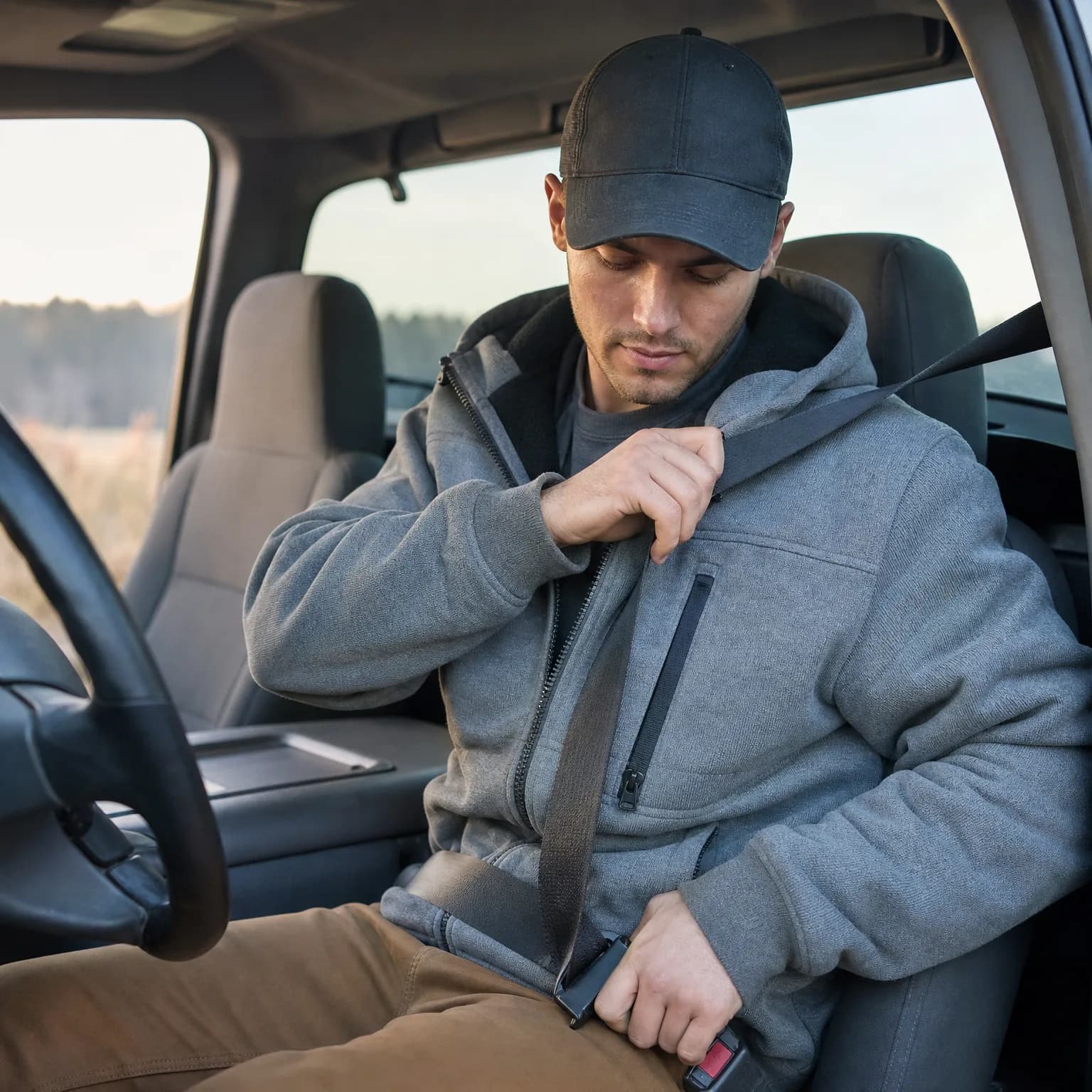
New York mandates SR-22 filing for all DUI convictions. The SR-22 is not insurance — it is a certificate your insurer files with the DMV confirming you carry at least the state minimum liability limits. New York requires SR-22 for three years following reinstatement, measured from the date your driving privileges are restored, not from the conviction date.
The filing itself costs $50 to $75 from most insurers, paid at policy inception and again at each renewal during the three-year period. If your policy lapses for any reason during the SR-22 period, your insurer must notify the DMV within 10 days, triggering an immediate license suspension. Reinstatement after an SR-22 lapse requires paying a $50 suspension termination fee, reapplying for reinstatement, and filing a new SR-22 with uninterrupted coverage.
Drivers who were uninsured before the DUI face a practical complication: securing SR-22 coverage with no recent insurance history. Standard carriers typically decline SR-22 applicants with coverage gaps exceeding 90 days. Non-standard carriers accept these applications but price them as high-risk placements, with annual premiums often exceeding $3,000 for minimum liability coverage in urban counties.

Premium Increases and Carrier Availability After DUI
A DUI conviction in New York increases premiums by 80% to 150% on average for drivers with prior clean records. For drivers who were uninsured before the DUI, the rate impact compounds because insurers treat the coverage gap as an independent risk signal. A driver with a DUI and a six-month coverage gap will pay 20% to 40% more than a driver with a DUI and continuous coverage, all else equal.
Preferred carriers — State Farm, GEICO, Allstate, Travelers — generally decline DUI applicants outright in New York, regardless of prior insurance history. Standard carriers like Progressive and Nationwide will quote DUI drivers with continuous coverage but exclude those with gaps exceeding 60 days. Non-standard carriers such as Direct Auto, Acceptance, and The General specialize in high-risk placements and accept DUI applicants with coverage gaps, but monthly premiums for state minimum liability typically range from $250 to $400 in New York City and $180 to $300 in upstate counties.
The premium surcharge for a DUI lasts three years on most carriers' rating schedules, though the conviction remains on your New York driving record for 10 years. After the three-year surcharge period expires, you may qualify for standard carrier rates if you maintain continuous coverage and avoid additional violations. Drivers who maintain SR-22 coverage without lapses and complete the three-year filing period see average rate reductions of 40% to 60% when shopping at the end of the SR-22 term.

Find the Insurers That Still Want Your Business
See Carriers That Cover YouReinstatement Process for DUI Convictions in New York
Reinstatement after a DUI revocation in New York requires completing a state-approved Impaired Driver Program (IDP), paying a $100 re-application fee, and submitting proof of SR-22 coverage to the DMV. If you were uninsured at the time of the DUI, you must also resolve any civil penalties for uninsured operation before the DMV will process your reinstatement application. The IDP consists of seven weekly classroom sessions and costs approximately $225.
New York does not offer conditional or restricted licenses during the revocation period for DUI convictions. You cannot drive legally until full reinstatement is granted, regardless of work or family needs. This creates a coverage gap dilemma: you need SR-22 coverage to apply for reinstatement, but you cannot drive the vehicle during the revocation period. Most insurers require an active registration to issue a policy, which means you may need to maintain registration and insurance on a vehicle you cannot legally drive for the duration of the revocation.
The reinstatement timeline typically spans six to nine months from conviction to restored privileges, assuming you enroll in the IDP immediately and secure SR-22 coverage before applying. Drivers who were uninsured before the DUI face additional delays if civil penalties remain unpaid or if securing non-standard coverage takes longer than anticipated. Missing the IDP enrollment deadline or allowing SR-22 coverage to lapse after filing extends the timeline by months.

Finding Coverage as an Uninsured Driver With a DUI
Securing SR-22 coverage after a DUI when you have no recent insurance history requires contacting non-standard carriers directly or working with an independent agent who specializes in high-risk placements. Online quote tools from preferred and standard carriers will decline DUI applicants with coverage gaps automatically, often without generating a bindable quote. Non-standard carriers like The General, Direct Auto, Acceptance, and Bristol West write SR-22 policies for drivers with DUI convictions and gaps, but application approval often requires proof of vehicle ownership, a valid VIN, and payment in full or a 50% down payment.
Expect monthly premiums between $200 and $400 for state minimum liability in New York, depending on county, age, and vehicle type. Full coverage — collision and comprehensive — adds $100 to $200 per month and requires higher liability limits than the state minimum. Most non-standard carriers will not offer full coverage to DUI applicants until six months of continuous SR-22 coverage is demonstrated.
Shopping multiple non-standard carriers can reduce premiums by 15% to 25%. Rates vary significantly between carriers even within the non-standard market because each uses different underwriting models for DUI risk. Independent agents with access to multiple non-standard carriers can generate competing quotes within 48 hours. Avoid paying application fees to individual carriers — reputable agents do not charge upfront fees for quote generation.
Long-Term Rate Recovery After DUI and Coverage Gaps
Rate recovery for drivers with both a DUI conviction and a prior coverage gap follows a three-stage timeline. During the SR-22 filing period (years one through three), you remain in the non-standard market with elevated premiums. At the end of the three-year SR-22 period, standard carriers will consider your application if you maintained continuous coverage without lapses and avoided new violations. Premiums typically drop 40% to 60% when transitioning from non-standard to standard placement.
The DUI surcharge expires three years after the conviction date on most carriers' rating schedules, but the conviction remains visible on your New York driving abstract for 10 years. Standard carriers will still see the DUI when quoting beyond year three, but they will not apply the same surcharge percentage used during the initial three-year period. By year five post-conviction, drivers with clean records since the DUI and continuous coverage typically pay 10% to 20% above baseline rates for similar drivers with no violations.
Rebuilding insurance history during the SR-22 period is the single highest-leverage action available. Carriers weight recent coverage continuity heavily when underwriting former high-risk drivers. A driver who completes three years of SR-22 coverage without lapses will receive standard-market quotes; a driver with even one 30-day lapse during that period will remain in non-standard placement for an additional two to three years. Set up automatic payments and maintain at least state minimum liability continuously, even if vehicle use is limited.
Frequently Asked Questions
Can I get car insurance in New York immediately after a DUI if I was uninsured?
Yes, but only through non-standard carriers like The General, Direct Auto, or Acceptance. Standard and preferred carriers decline DUI applicants with coverage gaps. Expect monthly premiums between $200 and $400 for state minimum liability with SR-22 filing, and most non-standard carriers require a 50% down payment or payment in full at policy inception.
How long does SR-22 filing last after a DUI in New York?
New York requires SR-22 filing for three years following reinstatement of your driving privileges. The three-year period begins when your license is restored, not from the conviction date. If your policy lapses during the SR-22 period, your license is suspended immediately and the three-year clock resets when you refile.
What happens if I let my SR-22 coverage lapse in New York?
Your insurer notifies the New York DMV within 10 days of the lapse, triggering an immediate license suspension. Reinstatement requires paying a $50 suspension termination fee, securing new SR-22 coverage, and reapplying for reinstatement. The three-year SR-22 filing period resets from the new reinstatement date, not from the original date.
Will my insurance rates go down after the SR-22 period ends?
Yes. Most drivers see premium reductions of 40% to 60% when shopping for coverage after completing the three-year SR-22 period, assuming continuous coverage without lapses and no new violations. Standard carriers will quote former SR-22 drivers at that point, though the DUI remains visible on your driving record for 10 years and may result in premiums 10% to 20% above baseline rates.
Do I need to keep insurance on a car I can't drive during my DUI revocation in New York?
Most insurers require an active registration to issue an SR-22 policy, which means you may need to maintain registration and insurance during your revocation period even though you cannot legally drive. This allows you to file the SR-22 at the time of your reinstatement application rather than delaying reinstatement while securing coverage afterward.
Related Articles

Auto Insurance With Points After a DUI in New York
5/15/2026

Car Insurance After DUI Reinstatement in New York
5/15/2026
Car Insurance After DUI in New York: Rates & SR-22
5/15/2026

Car Insurance After DUI in New York: Rates & Carriers
5/15/2026
How to File SR-22 After a DUI in New York
5/15/2026

Car Insurance After Reckless Driving Uninsured NY
5/15/2026