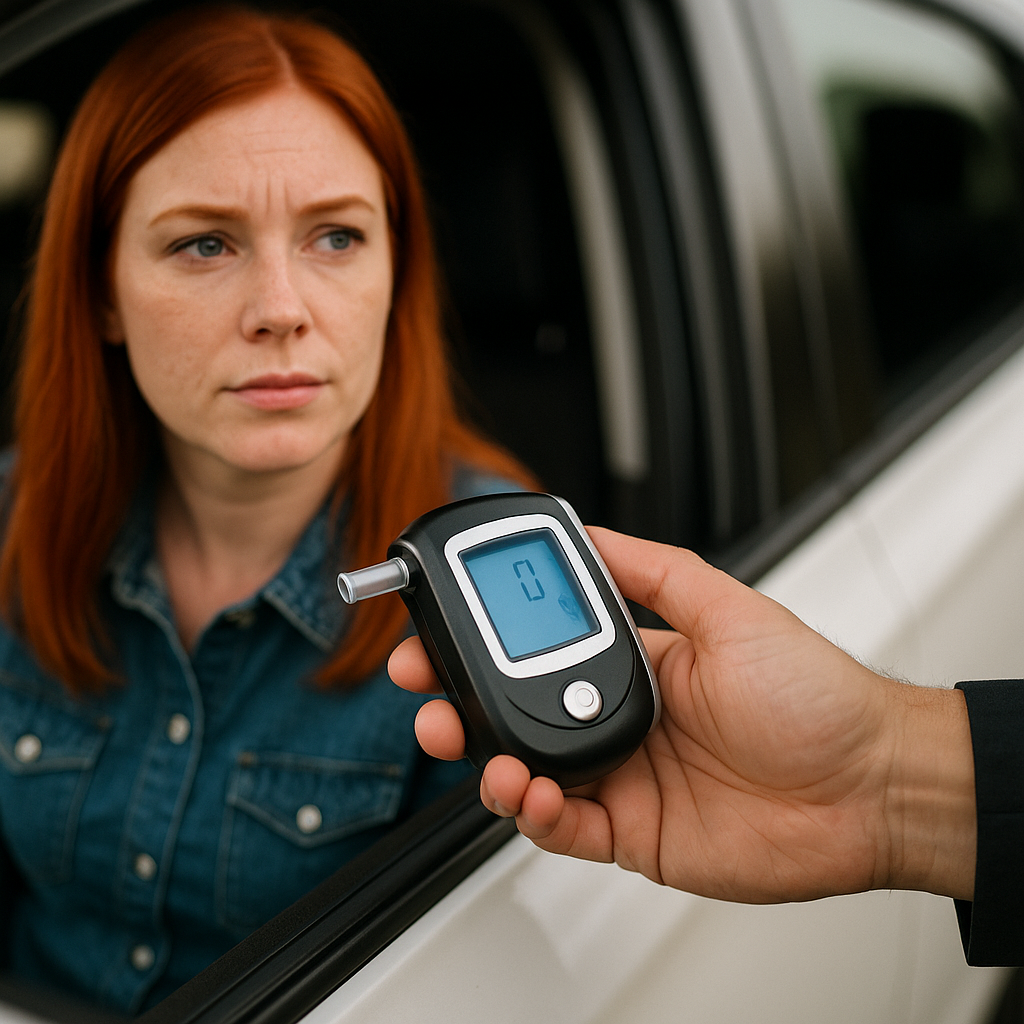
Iowa treats reckless driving as a serious misdemeanor with 6 points on your record, no mandatory SR-22 for a first offense, and rate increases that typically range from 60–90% depending on your carrier's point tier system.
What Reckless Driving Does to Your Iowa Driving Record
Reckless driving in Iowa is prosecuted under Iowa Code 321.277 as a simple misdemeanor and carries 6 points on your driving record. This is one of the highest point values Iowa assigns to a single moving violation, second only to offenses like leaving the scene of an accident. The Iowa Department of Transportation does not automatically suspend your license for reckless driving alone unless you accumulate three or more moving violations within 12 months, which triggers a suspension regardless of total points.
Your reckless driving conviction stays on your Iowa MVR for three years from the conviction date, not the citation date. During this period, insurance carriers will see the conviction when they pull your record at renewal or when you shop for new coverage. Points remain active for three years as well, meaning they count toward the Iowa DOT's suspension threshold during that window.
Iowa does not mandate SR-22 filing for a standalone reckless driving conviction. SR-22 is only required in Iowa if you caused serious injury, received a license suspension for accumulating too many violations, were convicted of driving without insurance, or committed certain alcohol-related offenses. Most drivers with a single reckless citation will not need to file SR-22 unless a secondary condition applies. Iowa SR-22 requirements
How Much Your Rates Will Increase in Iowa After Reckless Driving
Expect your premium to increase between 60% and 90% after a reckless driving conviction in Iowa, depending on your current carrier, your prior driving history, and whether you carry a clean record otherwise. Carriers that use point-based tier systems will move you into a higher-risk pricing tier, and those that use violation-specific rating will apply a surcharge directly tied to the reckless driving conviction.
For context, a driver paying $120 per month before the conviction should anticipate a monthly premium between $192 and $228 after the conviction. Drivers with multiple violations or a prior at-fault accident on record will see increases closer to the upper end of that range or higher. These increases typically remain in effect for three years, aligned with how long the conviction remains visible on your Iowa MVR.
Some carriers — especially standard market insurers like State Farm, Allstate, and Nationwide — may non-renew your policy rather than increase your rate, particularly if reckless driving is your second or third violation within a short window. Non-renewal is not the same as cancellation; you retain coverage through the end of your current term, but you must find a new carrier before your policy expires. This is where shopping non-standard carriers becomes critical.
Which Iowa Carriers Write Coverage After Reckless Driving
If your current carrier non-renews you or your rate increase pushes your premium out of reach, non-standard carriers are the most reliable path to affordable coverage. In Iowa, carriers like The General, Dairyland, Bristol West, and Progressive's non-standard division specialize in writing policies for drivers with recent violations, multiple points, or imperfect records. These carriers price risk differently than standard market insurers and are more likely to offer competitive quotes even with 6 points on your record.
Non-standard does not mean inferior coverage. You still have access to liability limits above Iowa's state minimums (25/50/25), collision and comprehensive if you carry a loan or prefer full coverage, and the same claims process as standard carriers. The primary difference is pricing methodology: non-standard carriers use more granular risk tiers and are willing to accept drivers that standard carriers categorize as too risky to insure profitably.
Shopping at least three non-standard carriers is the highest-leverage action you can take after a reckless driving conviction. Rate variation between carriers for the same driver with the same violation can exceed 40%, meaning one carrier might quote you $210 per month while another quotes $145. This variation is not random — it reflects each carrier's appetite for specific violation types, their geographic footprint in Iowa, and their current book composition. non-standard auto insurance
How Long Points Stay on Your Iowa Record and When Rates Recover
Iowa removes reckless driving convictions and the associated 6 points from your MVR three years after the conviction date. Once the conviction falls off, your insurance carrier will no longer see it when they pull your record at renewal, and you will be eligible for standard pricing again — assuming no additional violations have occurred in the interim.
Rate recovery does not happen all at once. Most carriers begin reducing surcharges incrementally after the first year, especially if you maintain continuous coverage with no new violations or at-fault accidents. By the second anniversary of your conviction, many drivers see rate decreases of 20–30% from their post-conviction peak. Full recovery to pre-conviction rates typically occurs after the three-year mark, once the violation is no longer visible.
Completing a state-approved defensive driving course will not remove points from your Iowa record for reckless driving, but some carriers offer policy discounts of 5–10% for completing an accredited course. Iowa allows point reduction only for minor moving violations, and reckless driving does not qualify. The course is still worth considering if your carrier offers a discount, but do not expect it to erase the conviction or accelerate the three-year removal timeline.
Do You Need SR-22 Filing After Reckless Driving in Iowa
Iowa does not require SR-22 for reckless driving unless your conviction triggered a license suspension, you caused serious bodily injury, or you were simultaneously cited for driving without insurance. SR-22 is a proof-of-insurance filing submitted by your carrier to the Iowa DOT on your behalf, and it is only mandated for specific high-risk events — not for point violations alone.
If your reckless driving citation is your only offense and you did not receive a suspension notice from the Iowa DOT, you do not need SR-22. Your insurance will increase because of the points and the violation itself, but you will not face the additional cost of SR-22 filing fees (typically $25–50 in Iowa) or the requirement to maintain continuous coverage for a state-mandated period.
If you do receive a suspension notice — either because reckless driving was your third moving violation in 12 months or because the court imposed a suspension as part of your sentence — the Iowa DOT will notify you of your SR-22 requirement in writing. The filing period in Iowa is typically two years from the date of reinstatement, and any lapse in coverage during that period will reset the clock. Check your suspension notice for the exact duration, as it may vary based on the specifics of your case.
What to Do Immediately After a Reckless Driving Conviction in Iowa
First, confirm whether you have a suspension notice from the Iowa DOT. If you do, you must complete any required waiting period, pay reinstatement fees, and arrange SR-22 filing before you can legally drive again. If you do not have a suspension notice, your license remains valid and your immediate priority is managing your insurance cost.
Second, request a copy of your Iowa MVR from the Iowa DOT to confirm the conviction appears correctly and to verify your total point count. You can order your MVR online through the Iowa DOT website for a small fee. Knowing your exact point total helps you understand how close you are to the suspension threshold and whether additional violations would trigger a suspension.
Third, shop at least three non-standard carriers before your current policy renews. Do not wait for a non-renewal notice — start comparing quotes as soon as the conviction posts to your record. Carriers like The General, Dairyland, and Bristol West are accessible in Iowa and specialize in covering drivers with recent violations. Rate differences between carriers are significant enough that shopping can save you $50–80 per month, even with 6 points on your record.
How Iowa's Point System Affects Your License and Insurance Together
Iowa suspends your license if you accumulate three or more moving violations within 12 months, regardless of total point value. This is a frequency-based trigger, not a cumulative point threshold. A driver with two speeding tickets (2–3 points each) and a reckless driving citation (6 points) within a 12-month window will face a suspension even though their total points might not seem excessive in isolation.
Insurance carriers do not wait for a suspension to adjust your rate. They respond to each conviction independently as it posts to your MVR. This means your rate will increase immediately after the reckless driving conviction, and if you receive another violation within 12 months, you will see a second rate increase even before the Iowa DOT suspends your license. Carriers also apply cumulative risk pricing, meaning multiple violations compound each other's impact rather than simply adding linearly.
If you are approaching the three-violation threshold, avoiding any additional citations — even minor speeding tickets — becomes critical. A third violation will trigger both a license suspension and a likely non-renewal or SR-22 requirement, depending on the circumstances. Once suspended, you will need to complete the suspension period, pay reinstatement fees, and file SR-22 (if required) before you can legally drive or obtain insurance again. check your state's requirements