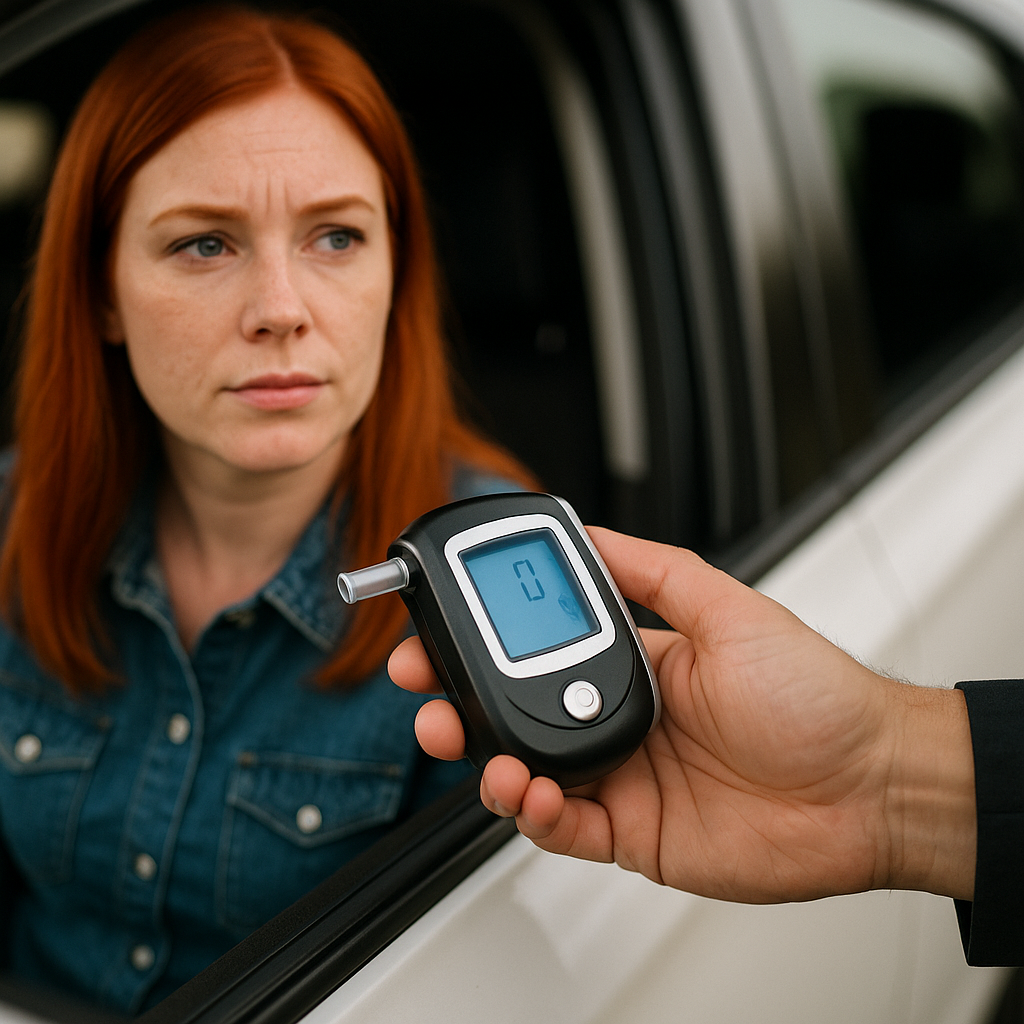
Reckless driving in South Dakota adds 6 points to your license and triggers immediate rate increases, but it does not automatically require SR-22 filing unless your license is suspended or you're convicted of other qualifying offenses.
How Reckless Driving Points Affect Your South Dakota License
South Dakota's point system assigns 6 points for a reckless driving conviction, one of the highest single-violation point values in the state. If you accumulate 15 or more points within 12 months, or 22 or more points within 24 months, the state suspends your license. With 6 points already on your record, you're approaching the first threshold with room for only one or two additional violations before suspension.
Points from a reckless driving conviction remain on your South Dakota driving record for 3 years from the date of conviction. During that time, they are visible to insurance carriers and factor into rate calculations. The state does not remove points early, even if you complete a defensive driving course — South Dakota does not currently offer point reduction programs for licensed drivers.
If you accumulate enough points to trigger a suspension, or if your reckless driving conviction includes aggravating factors like excessive speed or property damage, you may be required to file SR-22 to reinstate your license. But for most first-time reckless driving convictions without suspension, SR-22 is not automatically required. The financial impact comes from your insurance premium, not the state compliance process. South Dakota SR-22 requirements SR-22 insurance non-standard auto insurance
What Reckless Driving Does to Your South Dakota Insurance Rates
A reckless driving conviction typically increases your car insurance premium by 70% to 90% on average, depending on your carrier, prior record, and coverage limits. If your policy was $120/month before the conviction, expect it to climb to $200–$230/month. Some carriers classify reckless driving as a major violation comparable to DUI, while others treat it more like multiple speeding tickets — which means shopping around is not optional if you want to keep your rate under control.
Not all carriers react the same way to a 6-point violation. Standard carriers like State Farm, Geico, and Progressive may non-renew your policy or move you to a higher-risk tier at renewal. Non-standard carriers like The General, Dairyland, and Bristol West specialize in insuring drivers with violations and often offer lower rates than standard carriers quoting high-risk policies. The difference between carriers for the same driver with the same violation can exceed $100/month.
Your rate will not recover immediately when your points fall off after 3 years. Most carriers look back at your conviction history for 3 to 5 years, meaning the reckless driving conviction will continue to affect your premium even after the points are removed from your state record. Expect your rate to begin normalizing around the 3-year mark, with full recovery by year 5 if you maintain a clean record during that period.
When South Dakota Requires SR-22 After Reckless Driving
South Dakota does not require SR-22 filing for a standalone reckless driving conviction unless your license is suspended or revoked as a result. SR-22 is a certificate of financial responsibility that your insurance carrier files with the state to prove you carry at least minimum liability coverage. It's required after specific violations: DUI, driving without insurance, accumulating enough points to trigger suspension, or certain license reinstatements following revocation.
If your reckless driving conviction pushes you over the 15-point suspension threshold, or if the court suspends your license as part of sentencing, you will need to file SR-22 to reinstate your driving privileges. South Dakota typically requires SR-22 filing for 3 years following reinstatement. The SR-22 itself costs $25–$50 to file, but the real cost is the premium increase that comes with being classified as a high-risk driver — often an additional 20%–40% on top of the increase from the violation itself.
If you're not sure whether you need SR-22, check your suspension notice or contact the South Dakota Department of Public Safety. If SR-22 is required, it will be explicitly stated in your reinstatement requirements. You cannot reinstate your license without it, and any lapse in SR-22 coverage during the required filing period resets the clock and triggers a new suspension.
Which Carriers Write Policies for Drivers With Reckless Driving in South Dakota
After a reckless driving conviction, your options narrow quickly if you stay with your current carrier. Many standard carriers will non-renew your policy at the end of the term or quote renewal premiums so high they're effectively pushing you out. Your best move is to shop non-standard carriers before your renewal date, not after you receive a non-renewal notice and are racing a coverage deadline.
Non-standard carriers available in South Dakota include The General, Dairyland, Bristol West, National General, and Gainsco. These companies specialize in insuring drivers with violations, points, and at-fault accidents. They price risk differently than standard carriers and often offer monthly payment plans with lower down payments, which matters if you're already dealing with court fines and increased premiums. State Farm and Progressive may still write you, but expect them to charge significantly more than a non-standard carrier for the same coverage.
Shopping around after a reckless driving conviction can save you $600 to $1,200 per year compared to accepting your current carrier's renewal offer. Rates vary widely because each carrier weighs violations differently in their underwriting models. Get quotes from at least three non-standard carriers and compare them against your current renewal premium. If your current carrier is willing to keep you, make them compete.
Steps to Recover Your Rate After a Reckless Driving Conviction
Your insurance rate after reckless driving will not recover on its own — you have to outlast the lookback period and avoid adding new violations. Most carriers review your driving record at renewal, so each year you go without a new ticket or accident improves your pricing tier. The conviction will appear on your record for 3 years from the date of conviction, and most carriers factor it into pricing for 3 to 5 years.
South Dakota does not offer point reduction through defensive driving courses, but completing a state-approved driver improvement course may still help your rate. Some carriers offer discounts for voluntary course completion, especially if you can show the court or your insurer that you're taking corrective action. Contact your carrier before enrolling to confirm whether they recognize the course for discount purposes — not all do.
The highest-leverage action you can take right now is shopping your policy annually for the next 3 years. As time passes and the conviction ages, different carriers will become willing to compete for your business. A carrier that wouldn't write you in year one may offer a competitive quote in year two. Non-standard carriers often have the lowest rates immediately after a conviction, but standard carriers may become competitive again after 2–3 years of clean driving. Set a calendar reminder each year before your renewal date to re-shop your coverage.
What Happens If You Can't Find Coverage After Reckless Driving
If you've been rejected by multiple carriers or can't afford the quotes you're receiving, South Dakota does not operate an assigned risk pool for standard auto insurance. That means the state will not assign you to a carrier if no one will voluntarily write your policy. Your fallback options are limited: continue shopping non-standard carriers, reduce your coverage to state minimums to lower your premium, or explore usage-based or pay-per-mile policies that price risk differently.
South Dakota requires minimum liability coverage of 25/50/25: $25,000 bodily injury per person, $50,000 bodily injury per accident, and $25,000 property damage. If you're struggling to afford full coverage, dropping collision and comprehensive on an older vehicle can cut your premium significantly. You'll still carry the liability required by law, but you won't be paying to insure your own vehicle against damage. This is a short-term cost management strategy, not a long-term solution — as your rate recovers, you can add coverage back.
If you're required to file SR-22 and can't find a carrier willing to write you, contact non-standard specialists like The General or Dairyland directly. These carriers exist specifically to serve drivers in your situation and rarely turn down SR-22 business. Expect higher premiums and stricter payment terms, but they will file the SR-22 and keep you legal while you work through the required filing period.