
Second At-Fault Accident in Florida: Rate Impact and Carrier Options
Free to compare
What Happens to Your Rate After a Second At-Fault Accident in Florida
A second at-fault accident in Florida typically increases your premium by 50-80% compared to your rate before the second accident, not your original clean-record rate. Most carriers apply accident surcharges cumulatively rather than additively. If your first accident triggered a 30% increase, your second accident surcharge applies to that already-elevated base, and many carriers simultaneously reclassify you from a preferred to a standard risk tier, which resets your base rate upward before the surcharge is applied.
Florida carriers typically apply accident surcharges for three to five years from the accident date, measured by the loss date on the claim, not the policy renewal date. A driver with accidents in 2023 and 2024 will carry both surcharges until 2026 at minimum, and the second surcharge often persists longer because carriers view multi-accident histories as stronger predictors of future claims than isolated incidents.
The rate impact varies significantly by carrier. State Farm and GEICO often maintain lower post-accident rates for drivers who bundle policies or maintain continuous coverage, while Progressive and Allstate tend to reclassify multi-accident drivers into standard tiers with steeper base rate increases. Non-standard carriers like Bristol West and Dairyland specialize in multi-accident policies but charge 60-90% more than preferred-tier carriers for comparable coverage.

How Florida's No-Fault System Affects Multi-Accident Rate Increases
Florida operates under a no-fault system, which means your Personal Injury Protection coverage pays your medical bills after an accident regardless of who caused the collision. However, property damage liability claims and bodily injury claims above the PIP threshold still assign fault, and those fault determinations trigger the accident surcharges that increase your premium.
A second at-fault accident appears on your Motor Vehicle Report as an at-fault loss, which Florida carriers pull during underwriting at every renewal. Even if you filed only a PIP claim for your own injuries, if the other driver filed a property damage or bodily injury claim against your policy and your carrier paid out, the accident is coded as at-fault. Florida law does not assign points for accidents, but carriers treat at-fault accidents as higher-weight risk factors than moving violations when calculating premiums.
Drivers who carry only state minimum liability limits face the highest rate increases after a second accident because carriers view minimal coverage elections as a secondary risk signal. A driver with 10/20/10 limits who has two at-fault accidents in three years will often be non-renewed by preferred carriers entirely, while a driver with 100/300/100 limits and the same accident history may be offered renewal in a standard tier.


Which Carriers Write Policies After Two At-Fault Accidents in Florida
State Farm, GEICO, Progressive, and Allstate all write policies for drivers with two at-fault accidents in Florida, but eligibility depends on the severity of the accidents, the time elapsed since each loss, and your coverage history. State Farm and GEICO typically non-renew drivers with two accidents within 36 months unless you bundle home and auto or maintain higher liability limits. Progressive and Allstate move multi-accident drivers into standard tiers but rarely non-renew unless a third accident occurs.
Non-standard carriers become the primary market after two at-fault accidents. Bristol West, Dairyland, and Direct Auto specialize in multi-accident policies and do not require a waiting period between accidents to issue a quote. These carriers charge 60-90% more than preferred-tier pricing, but they also offer state minimum liability options and monthly payment plans without requiring full upfront payment.
If you are non-renewed after a second accident, Florida law requires your carrier to provide 120 days' notice for non-renewal based on underwriting reasons, including loss history. You are not required to disclose accidents when shopping for a new carrier, but every carrier will pull your Motor Vehicle Report and CLUE report during the quote process, and both reports will show all at-fault losses from the past five years. Omitting accidents during application does not prevent carriers from discovering them.

Find the Insurers That Still Want Your Business
See Carriers That Cover YouHow Long Accident Surcharges Stay on Your Florida Policy
Florida carriers apply accident surcharges for three to five years from the accident date, and the surcharge schedule varies by carrier. GEICO and Progressive typically apply surcharges for three years, while State Farm and Allstate extend surcharges to five years for drivers with multiple accidents. The surcharge decreases annually in most cases — a 50% increase in year one may drop to 35% in year two and 20% in year three — but the reduction is not automatic and depends on whether additional claims occur during the surcharge period.
Your Motor Vehicle Report retains at-fault accidents for five years in Florida, which means even after a carrier removes the surcharge from your premium calculation, the accident still appears during underwriting if you switch carriers. A driver whose first accident aged off their MVR but whose second accident is still reportable will be quoted as a one-accident driver by a new carrier, which improves eligibility for preferred-tier pricing.
CLUE reports retain accident records for seven years regardless of state MVR timelines. If you file a claim, the loss appears on your CLUE report immediately and remains visible to all carriers for seven years. Comprehensive claims and not-at-fault accidents appear on CLUE but do not trigger surcharges, while at-fault property damage and bodily injury claims trigger both MVR entries and CLUE loss records.

Should You File a Claim After a Second Accident in Florida
Filing a claim after a second at-fault accident makes financial sense when the damage exceeds your deductible by at least $1,500, because the surcharge cost over three to five years will typically exceed the immediate claim payout for lower-value losses. A $2,000 collision claim with a $500 deductible pays out $1,500, but the resulting surcharge on a $1,800 annual premium could add $900 per year for three years, totaling $2,700 in surcharge costs.
If the other driver files a liability claim against your policy, you have no control over whether the loss appears on your record — once your carrier pays out on a liability claim, the accident is coded as at-fault regardless of whether you filed your own collision or comprehensive claim. Florida is a comparative negligence state, which means if you are found 50% or more at fault for the collision, the other driver's property damage and injury claims will be paid under your liability coverage, and the accident will appear on both your MVR and CLUE report.
Drivers with two prior accidents should consider increasing their liability limits before a third accident occurs. Carrying 100/300/100 limits instead of state minimums does not prevent surcharges, but it signals lower risk to underwriters and improves your odds of remaining in a standard tier rather than being reclassified to non-standard or non-renewed entirely.
What to Do When Your Renewal Notice Arrives After a Second Accident
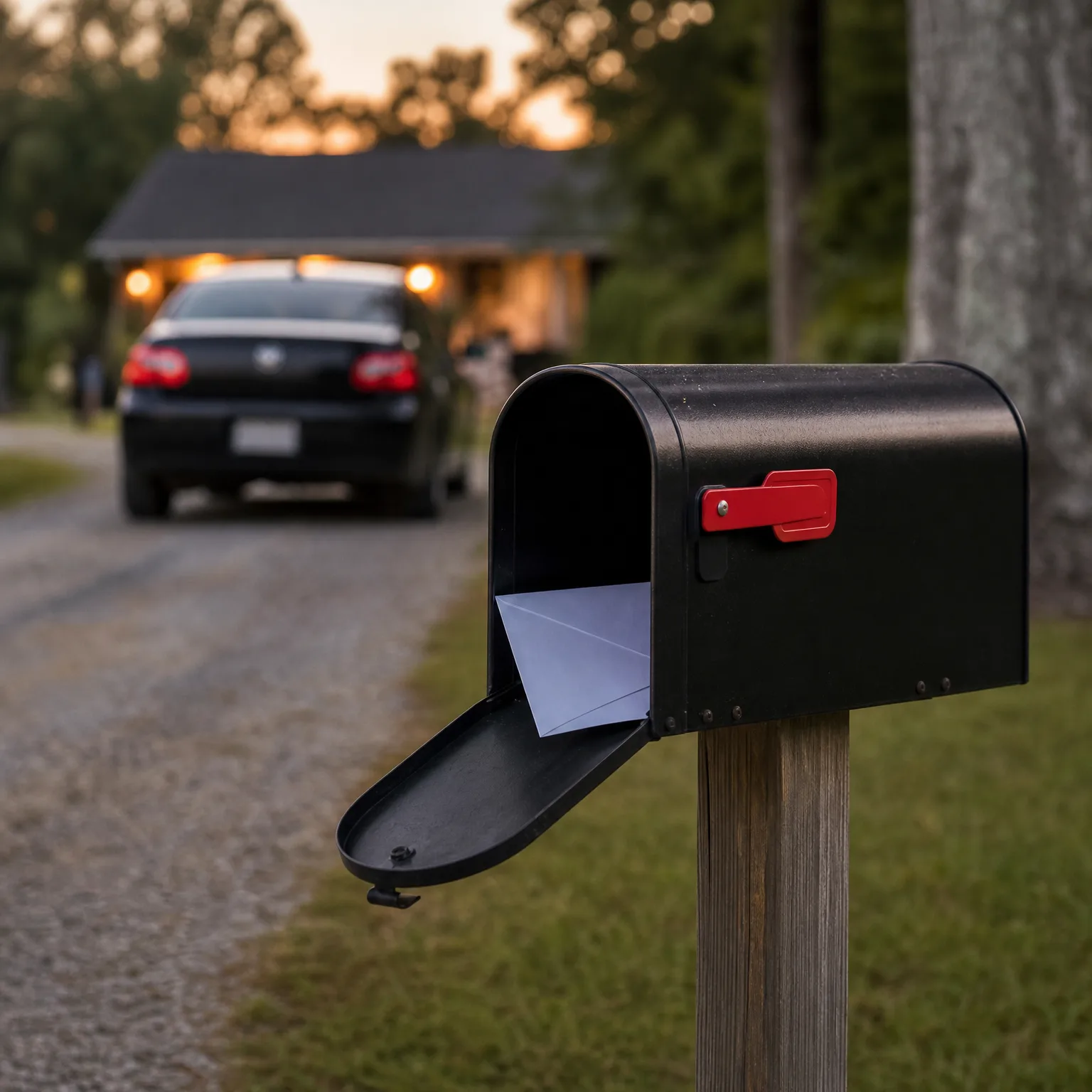
Request a re-quote from your current carrier and at least three competitors within 30 days of receiving your renewal notice. Florida carriers apply accident surcharges at renewal, not mid-term, which means your current premium remains unchanged until your policy renews. You have the full renewal window to compare quotes, and switching carriers before renewal does not trigger early cancellation fees.
Focus on non-standard carriers if your renewal premium exceeds $250 per month. Bristol West, Dairyland, Direct Auto, and Safe Auto all specialize in multi-accident policies and often quote 20-30% lower than standard-tier carriers for the same coverage limits. These carriers also offer monthly payment plans without requiring a down payment, which reduces the immediate cost of switching.
Verify that your Motor Vehicle Report is accurate before shopping. Florida drivers can request a free copy of their MVR from the Florida Department of Highway Safety and Motor Vehicles once per year. If an accident is listed incorrectly as at-fault, or if an accident older than five years still appears on your report, you can dispute the entry directly with the DHSMV, and carriers are required to remove surcharges based on corrected MVR data at your next renewal.
Frequently Asked Questions
How much does insurance go up after a second at-fault accident in Florida?
A second at-fault accident in Florida typically increases your premium by 50-80% compared to your rate before the second accident. Carriers apply surcharges cumulatively, meaning the second surcharge applies to your already-elevated base rate, and many carriers reclassify you from preferred to standard tier, which further increases your base premium before the surcharge is applied.
Will I be dropped after two at-fault accidents in Florida?
Most Florida carriers will renew your policy after two at-fault accidents but will reclassify you into a standard or non-standard tier with significantly higher premiums. State Farm and GEICO are most likely to non-renew drivers with two accidents within 36 months, while Progressive and Allstate typically maintain coverage unless a third accident occurs.
How long do two accidents stay on my insurance record in Florida?
At-fault accidents remain on your Florida Motor Vehicle Report for five years and on your CLUE report for seven years. Carriers apply accident surcharges for three to five years from the accident date, depending on the carrier, but the accident remains visible to all insurers during underwriting for the full MVR retention period.
Can I remove an at-fault accident from my Florida driving record?
Florida does not allow drivers to remove at-fault accidents from their Motor Vehicle Report through defensive driving courses or other point reduction programs. Accidents remain on your MVR for five years from the accident date and can only be removed if they were reported incorrectly, which requires filing a dispute with the Florida Department of Highway Safety and Motor Vehicles.
Should I switch carriers after a second at-fault accident in Florida?
Yes, request quotes from at least three carriers when your renewal notice arrives after a second accident. Non-standard carriers like Bristol West, Dairyland, and Direct Auto specialize in multi-accident policies and often quote 20-30% lower than your current carrier's post-accident renewal rate, especially if you are being reclassified out of a preferred tier.
Related Articles

Florida Car Insurance After At-Fault Accident Rates
5/17/2026

Car Insurance After 1st At-Fault Accident Florida
5/15/2026

Florida Car Insurance After At-Fault Accident Rates
5/15/2026

First At-Fault Accident Rate Increase by Carrier
5/17/2026

Second At-Fault Accident in Virginia: Rates & Carriers
5/15/2026

Second At-Fault Accident in Michigan: Rate Ranges
5/15/2026