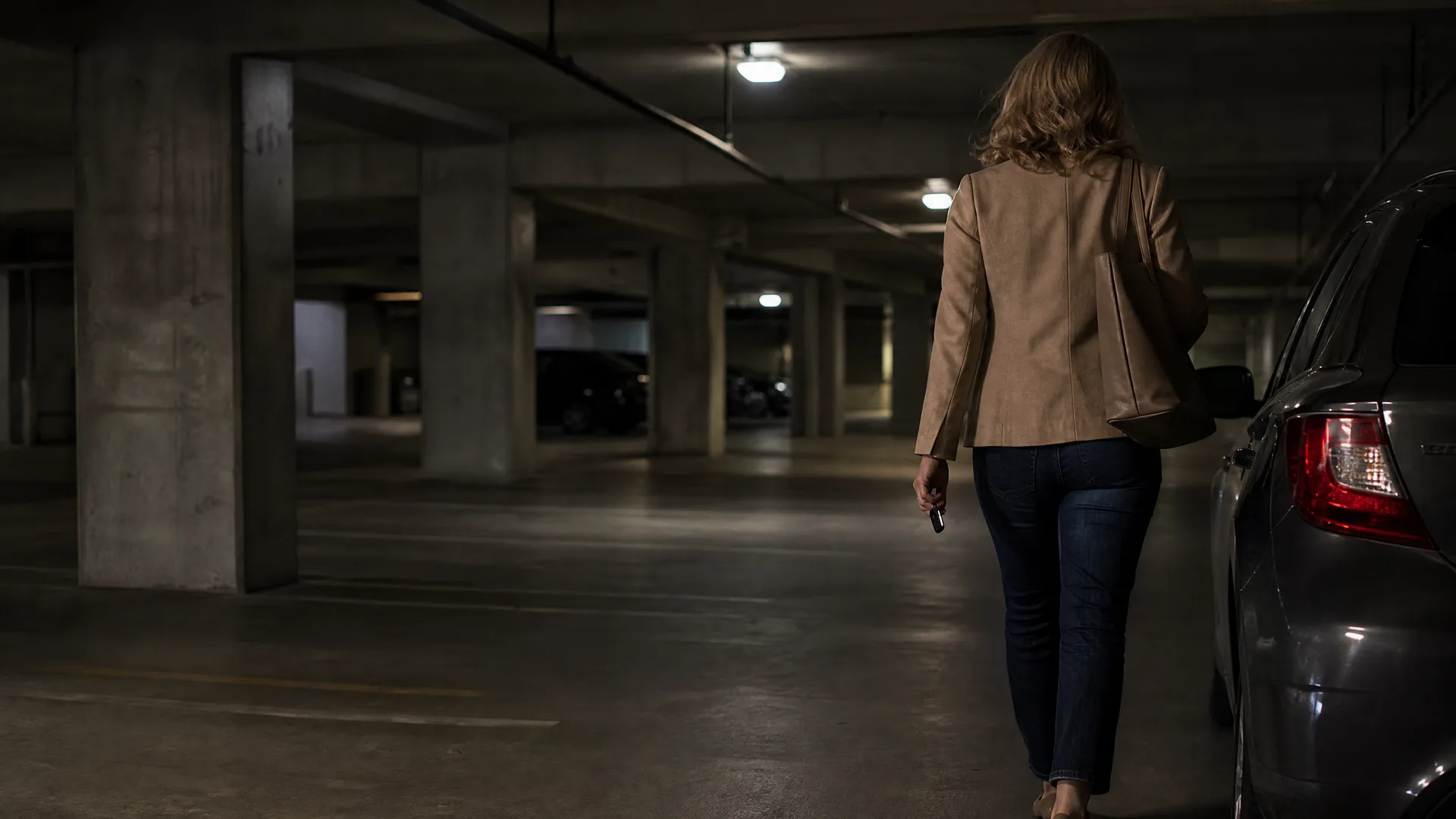
Car Insurance After Your Second DUI in California: Rates and Carriers
Free to compare
What Happens to Your Insurance Rate After a Second DUI in California
A second DUI conviction in California moves you into the DUI-tier underwriting class at every carrier for a minimum of 3 years, the duration of your mandatory SR-22 filing period. Monthly premiums for liability-only coverage with SR-22 typically range from $250 to $450 per month. Full coverage with comprehensive and collision runs $400 to $700 per month. These figures reflect the non-standard market because most preferred and standard carriers will not renew your policy after a second DUI.
The rate increase is not a percentage surcharge applied to your old premium. It is a complete re-underwriting. Your previous rate, discounts, and tenure are irrelevant. Carriers price second-DUI policies based on violation recency, age, zip code, vehicle value, and coverage selection. The 3-year SR-22 filing window sets the floor for how long elevated pricing persists, but most carriers maintain DUI-tier pricing for 5 to 7 years from the conviction date.
California does not allow carriers to cancel your policy mid-term for a DUI conviction, but they can and do non-renew at your next renewal date. If your current carrier is State Farm, GEICO, or Allstate, expect a non-renewal notice. If you are already with a non-standard carrier like Bristol West or The General, expect a renewal offer with a significant rate increase.
Which Carriers Write Second-DUI Policies in California
Progressive, The General, Bristol West, Acceptance Insurance, and Gainsco are the primary non-standard carriers writing second-DUI policies in California as of current underwriting guidelines. Progressive operates as both a standard and non-standard carrier and often retains second-DUI drivers through its non-standard tier rather than forcing them to a separate brand. The General and Bristol West specialize exclusively in non-standard risk and price aggressively for multi-DUI drivers.
Preferred carriers like State Farm, Farmers, and Nationwide typically exit after a second DUI. GEICO exits in most California zip codes but may offer a quote through a non-standard partnership depending on your county. USAA non-renews second-DUI members but may offer a non-standard quote through a third-party agency if you call directly. Do not assume your current carrier will renew you.
Rate variation between non-standard carriers is significant. A 35-year-old male driver in Los Angeles with two DUIs, driving a 2015 Honda Accord, might receive a liability-plus-SR-22 quote of $310 per month from The General, $390 from Bristol West, and $420 from Acceptance. Shopping all available non-standard carriers is the highest-leverage action available to you right now.


How California's SR-22 Filing Requirement Works After a Second DUI
California requires SR-22 filing for 3 years following a second DUI conviction. The filing period begins on the date the DMV processes your SR-22 form, not the conviction date or the license reinstatement date. Your carrier files the SR-22 electronically with the California DMV on your behalf. The filing fee ranges from $15 to $50 depending on the carrier. The SR-22 itself is not insurance; it is proof that you carry at least the state minimum liability coverage.
If your policy lapses or is canceled for any reason during the 3-year SR-22 period, your carrier must notify the DMV within 15 days. The DMV will suspend your license immediately. Reinstatement after an SR-22 lapse requires paying a $55 reinstatement fee, re-filing SR-22 with a new carrier, and restarting the 3-year filing clock from the new filing date. A single lapse can add 18 to 36 months to your total SR-22 obligation.
SR-22 filing does not add points to your driving record, but it signals to every carrier that you are a DUI-tier risk. Some drivers assume that completing the 3-year SR-22 period will restore their previous rate. It will not. Carriers price based on the DUI conviction itself, which remains visible on your motor vehicle report for 10 years in California. The SR-22 filing period and the DUI surcharge period are distinct timelines.

Find the Insurers That Still Want Your Business
See Carriers That Cover YouHow Long the Rate Increase Lasts and What Triggers a Decrease
Most non-standard carriers maintain DUI-tier pricing for 5 to 7 years from the conviction date. The 3-year SR-22 filing period is a legal minimum, not a rate recovery milestone. Progressive typically begins reducing DUI surcharges at the 5-year mark if no additional violations occur. The General and Bristol West often maintain elevated pricing until year 7. After 10 years, the DUI conviction falls off your California driving record entirely, and carriers can no longer consider it in underwriting.
Rate reductions are not automatic. You must re-shop at renewal to capture lower pricing as your conviction ages. A carrier that quoted you $400 per month in year one may quote you $280 per month in year six, but your renewal notice will not reflect that drop unless you request a re-rate or switch carriers. Non-standard carriers do not reward tenure the way preferred carriers do. Loyalty costs you money in this market.
Completing a DUI program or maintaining continuous coverage without lapses does not accelerate rate recovery, but both are required to avoid additional penalties. California does not offer point reduction for defensive driving courses after a DUI conviction. The only variable under your control is time, continuous coverage, and annual re-shopping.

Whether Full Coverage Makes Sense After a Second DUI
Full coverage after a second DUI costs $400 to $700 per month in California, depending on your vehicle value and deductible selection. Liability-only coverage with SR-22 costs $250 to $450 per month. The decision depends on whether you own your vehicle outright, whether a lender requires comprehensive and collision, and whether your vehicle's actual cash value justifies the additional premium.
If your vehicle is worth less than $5,000, liability-only coverage is usually the better financial decision. A $500 deductible on a $4,000 vehicle means you would pay $150 to $250 per month extra for collision coverage that would net you at most $3,500 after a total loss, minus the deductible. Over 12 months, you would spend $1,800 to $3,000 for coverage on an asset worth $4,000.
If you finance or lease your vehicle, your lender will require full coverage regardless of cost. Some second-DUI drivers buy out their lease or pay off their loan early to drop comprehensive and collision and reduce their monthly insurance cost by 40 to 50 percent. Others switch to an older, lower-value vehicle they own outright. Both strategies are common in the non-standard market and are not penalized by carriers.

What to Do Right Now If You Just Received Your Second DUI Conviction
Request SR-22 quotes from at least three non-standard carriers: Progressive, The General, and Bristol West. Do not wait for your current carrier to non-renew you. Non-standard carriers often offer better rates than a non-renewal carrier's final quote. Call each carrier directly or work with an independent agent who writes non-standard policies in California. Online quote tools frequently exclude second-DUI applicants or route you to a callback queue.
If your license is currently suspended, you can obtain SR-22 quotes before reinstatement. Some carriers require an active license to bind coverage; others will issue a policy with a future effective date tied to your reinstatement date. Confirm the effective date and SR-22 filing date with your carrier before paying the first premium. The 3-year SR-22 clock does not start until the DMV receives the filing.
Set up automatic payments and enable low-balance alerts if you pay monthly. A missed payment that leads to cancellation will restart your SR-22 filing period and suspend your license. Non-standard carriers report lapses to the DMV within 15 days. Reinstatement after a lapse adds months to your total obligation and typically raises your rate when you re-apply.
Frequently Asked Questions
How much does car insurance cost after a second DUI in California?
Liability-only coverage with SR-22 after a second DUI in California typically costs $250 to $450 per month. Full coverage with comprehensive and collision runs $400 to $700 per month. Rates depend on your age, zip code, vehicle, and the non-standard carrier you choose.
Which car insurance companies cover drivers with two DUIs in California?
Progressive, The General, Bristol West, Acceptance Insurance, and Gainsco are the primary carriers writing second-DUI policies in California under current underwriting guidelines. Most preferred carriers like State Farm, GEICO, and Farmers will non-renew your policy after a second DUI conviction.
How long does SR-22 filing last after a second DUI in California?
California requires SR-22 filing for 3 years after a second DUI conviction, measured from the date the DMV receives your SR-22 form. If your policy lapses during that period, the DMV suspends your license and you must restart the 3-year filing period from the new filing date.
When do car insurance rates go down after a second DUI in California?
Most non-standard carriers maintain DUI-tier pricing for 5 to 7 years from the conviction date. Progressive often begins reducing surcharges at year 5. The General and Bristol West typically hold elevated pricing until year 7. After 10 years, the DUI falls off your California driving record entirely.
Can I get full coverage car insurance after a second DUI in California?
Yes, non-standard carriers offer full coverage after a second DUI, but it costs $400 to $700 per month depending on your vehicle value and deductible. If your vehicle is worth less than $5,000 and you own it outright, liability-only coverage is usually the better financial decision.
Related Articles

Car Insurance After First DUI in California Rates
5/15/2026

Car Insurance After a DUI in California: Rates & Options
5/15/2026

Carriers Writing Policies After a DUI in California
5/15/2026
Car Insurance After DUI Reinstatement in California
5/15/2026

Car Insurance After Second DUI in Texas: Rates
5/15/2026

Car Insurance After 2nd DUI in Florida: Rates & Carriers
5/15/2026