
Second DUI in Ohio: Rates, Carrier Options, and SR-22 Requirements
Free to compare
What Happens to Your Insurance After a Second DUI in Ohio
A second DUI conviction in Ohio within ten years triggers mandatory SR-22 filing for five years, measured from the reinstatement date. Most standard carriers—State Farm, Nationwide, Erie—non-renew policies after a second conviction rather than surcharge them. You will shop in the non-standard market, where monthly premiums for state minimum liability coverage typically range from $180 to $350 depending on carrier, age, and county.
Ohio charges a $475 reinstatement fee after a second DUI, and SR-22 filing fees range from $25 to $50 per year depending on carrier. The BMV suspends your license for one to five years after a second conviction, and you cannot apply for occupational driving privileges until after 45 days of the suspension period. During suspension, you cannot legally carry insurance without an active license—SR-22 filing begins only after reinstatement.
The conviction stays on your driving record for life in Ohio, but most carriers surcharge based on a three-to-five-year lookback window. After five years without additional violations, some non-standard carriers will re-tier you to their standard product. After ten years, a small number of preferred carriers may quote, though acceptance is not guaranteed.

Which Carriers Write Second-DUI Policies in Ohio
Non-standard carriers dominate the second-DUI market in Ohio. The Bristol West, Progressive's non-standard division, Dairyland, and Acceptance write policies for drivers with multiple DUI convictions and file SR-22 directly with the BMV. Monthly premiums for state minimum coverage range from $180 to $280 at these carriers for a 35-year-old driver in Franklin County with no additional violations.
SR-22 specialists like Liability Solutions and SafeAuto focus exclusively on high-risk drivers and file same-day in most cases. Monthly rates run higher—$250 to $350 for minimum liability—but approval is nearly automatic if you meet license reinstatement requirements. These carriers do not offer collision or comprehensive coverage for drivers with active SR-22 requirements.
Preferred carriers like State Farm and Allstate rarely quote second-DUI drivers during the five-year SR-22 period. A few standard carriers will consider applicants after three years if no additional violations appear on record, but quotes are uncommon and monthly premiums still exceed $200. Independent agents who specialize in non-standard placement can access tier-two products at carriers that do not advertise direct to consumers.

How Long the SR-22 Requirement Lasts in Ohio
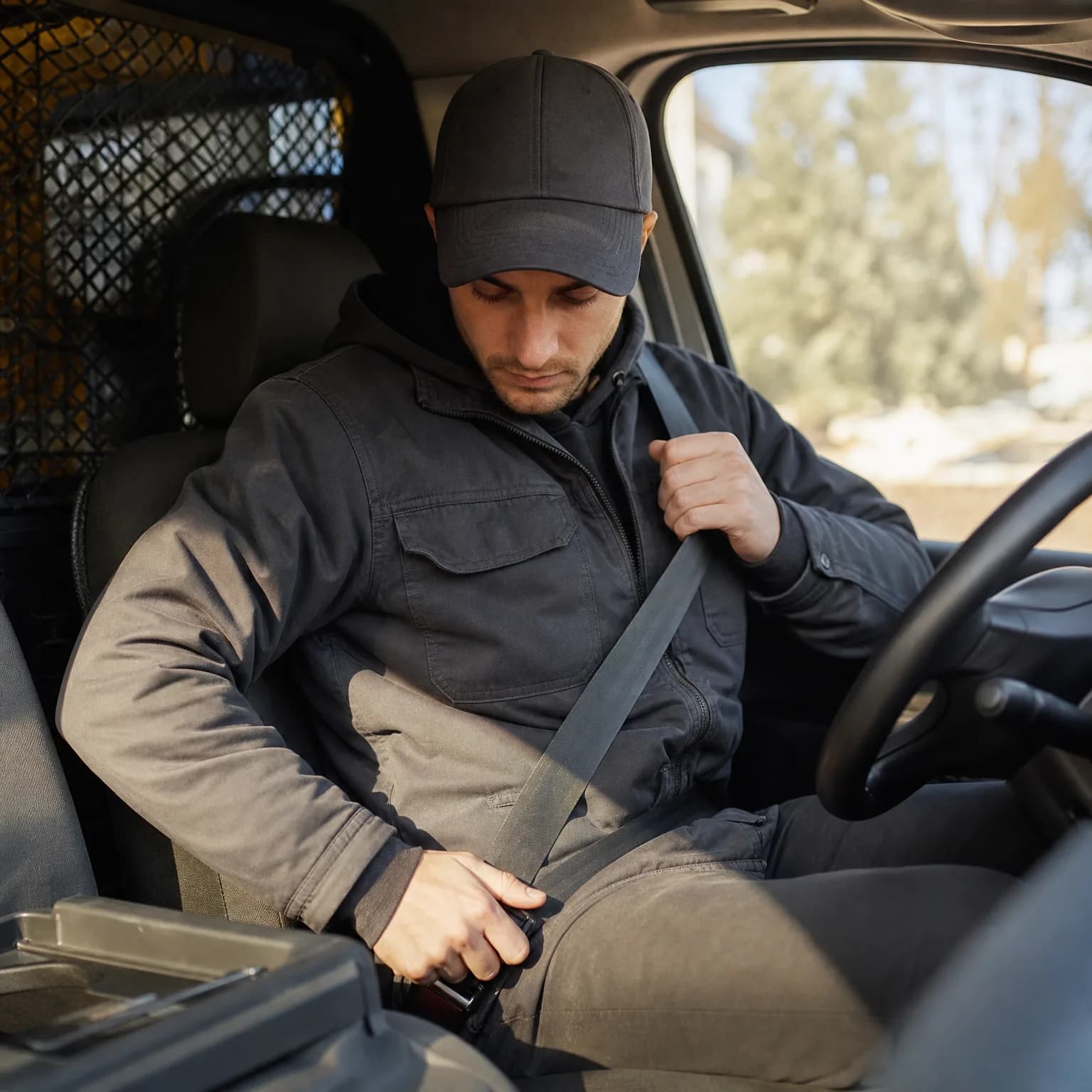
Ohio requires SR-22 filing for five years after a second DUI conviction, beginning on the license reinstatement date. The filing period does not start during suspension—the BMV clock begins only when you pay reinstatement fees, complete required treatment programs, and file proof of insurance.
If your policy lapses or cancels during the five-year period, your carrier notifies the BMV within ten days. The BMV suspends your license immediately, and you must pay a $40 reinstatement fee in addition to filing a new SR-22 to restore driving privileges. The five-year clock does not reset after a lapse, but the suspension adds administrative delays and additional reinstatement costs.
After five years of continuous SR-22 filing with no lapses, the requirement terminates automatically. You do not need to notify the BMV—your carrier files an SR-26 form confirming the end of the filing obligation. You can then shop standard carriers, though the underlying conviction remains visible on your driving record and may still affect pricing for several more years.

Find the Insurers That Still Want Your Business
See Carriers That Cover YouMonthly Premium Ranges for State Minimum Coverage
State minimum liability coverage in Ohio—25/50/25—costs $180 to $280 per month at non-standard carriers for a second-DUI driver in the first year after reinstatement. Rates vary by age, county, and additional violations on record. A 28-year-old driver in Cuyahoga County with a second DUI and one speeding ticket pays closer to $300 per month, while a 45-year-old driver in a rural county with no additional violations may pay $190.
SR-22 specialists charge $250 to $350 per month for the same coverage. The premium increase reflects underwriting models that assume higher lapse risk and claims frequency among drivers with multiple DUI convictions. These carriers often require electronic funds transfer or six-month prepayment to reduce lapse rates.
Full coverage—liability plus collision and comprehensive—is rarely available during the SR-22 period, and when quoted, monthly premiums exceed $500. Most drivers finance vehicle purchases through buy-here-pay-here dealers who do not require physical damage coverage, or they drive older vehicles and carry liability only.

How to Shop for Coverage After a Second DUI
Start with independent agents who specialize in non-standard placement. These agents contract with multiple non-standard carriers and can compare quotes from The Bristol West, Dairyland, and regional specialists in one submission. Captive agents at State Farm or Allstate cannot access non-standard products and will decline to quote.
Request quotes from at least three carriers. Monthly premium differences of $80 to $150 are common between non-standard tiers, and the cheapest quote is not always the best value—some carriers charge higher reinstatement fees or impose stricter payment schedules. Ask whether the carrier allows policy changes during the SR-22 period, as some non-standard policies lock coverage limits for the full term.
Avoid online-only aggregators that advertise high-risk insurance. These platforms route second-DUI applicants to a small number of SR-22 specialists and do not access the full non-standard market. Independent agents have broader carrier appointments and can place policies with carriers that do not sell directly to consumers.

What Happens After the Five-Year SR-22 Period Ends
After five years of continuous SR-22 filing, the requirement terminates and you can shop standard carriers again. The second DUI conviction remains on your Ohio driving record for life, but most carriers apply surcharges based on a five-year lookback window. Six years after conviction, some standard carriers will quote—though monthly premiums remain elevated compared to clean-record drivers.
Non-standard carriers often re-tier policies after the SR-22 period ends if no additional violations appear. A driver who paid $220 per month during the filing period may see rates drop to $140 per month for the same coverage once SR-22 terminates. You must request a re-quote at renewal—re-tiering is not automatic.
Preferred carriers rarely accept second-DUI drivers until ten years after conviction. After ten years with no additional violations, carriers like Erie and Auto-Owners may quote, though acceptance depends on age, county, and claims history. Even after acceptance, monthly premiums for drivers with a second DUI on record remain 30% to 50% higher than clean-record baseline rates.
Frequently Asked Questions
How much does insurance cost after a second DUI in Ohio?
Monthly premiums for state minimum liability coverage range from $180 to $350 at non-standard carriers after a second DUI in Ohio, depending on age, county, and additional violations. SR-22 specialists charge $250 to $350 per month, while independent agents with broader carrier access may find quotes in the $180 to $280 range.
Can I get insurance from State Farm or Allstate after a second DUI?
State Farm and Allstate typically non-renew policies after a second DUI conviction and rarely quote during the five-year SR-22 period. A few standard carriers may consider applicants after three years with no additional violations, but approval is uncommon and rates remain high.
How long do I need SR-22 after a second DUI in Ohio?
Ohio requires SR-22 filing for five years after a second DUI conviction, measured from the license reinstatement date. If your policy lapses during this period, the BMV suspends your license and you must file a new SR-22 to restore driving privileges.
What happens if my SR-22 insurance lapses in Ohio?
Your carrier notifies the BMV within ten days of a lapse, and the BMV suspends your license immediately. You must pay a $40 reinstatement fee and file a new SR-22 to restore driving privileges. The five-year filing period does not reset, but the suspension adds delays and costs.
Will my rates go down after the SR-22 period ends?
Many non-standard carriers re-tier policies after the SR-22 requirement ends if no additional violations appear, often reducing monthly premiums by 30% to 40%. You must request a re-quote at renewal—re-tiering is not automatic. Standard carriers may quote after six years, though rates remain elevated for up to ten years after conviction.
Related Articles

Car Insurance After DUI in Ohio: SR-22 Rates & Carriers
5/15/2026

Auto Insurance After DUI in Ohio: Costs & SR-22
5/15/2026
Rate Recovery Timeline After a DUI in Ohio
5/15/2026
How to Switch Car Insurance After a DUI in Ohio
5/15/2026

Ohio Car Insurance After DUI: Carrier Rate Survey
5/15/2026

Car Insurance After First DUI Ohio: Rates & Carriers
5/15/2026