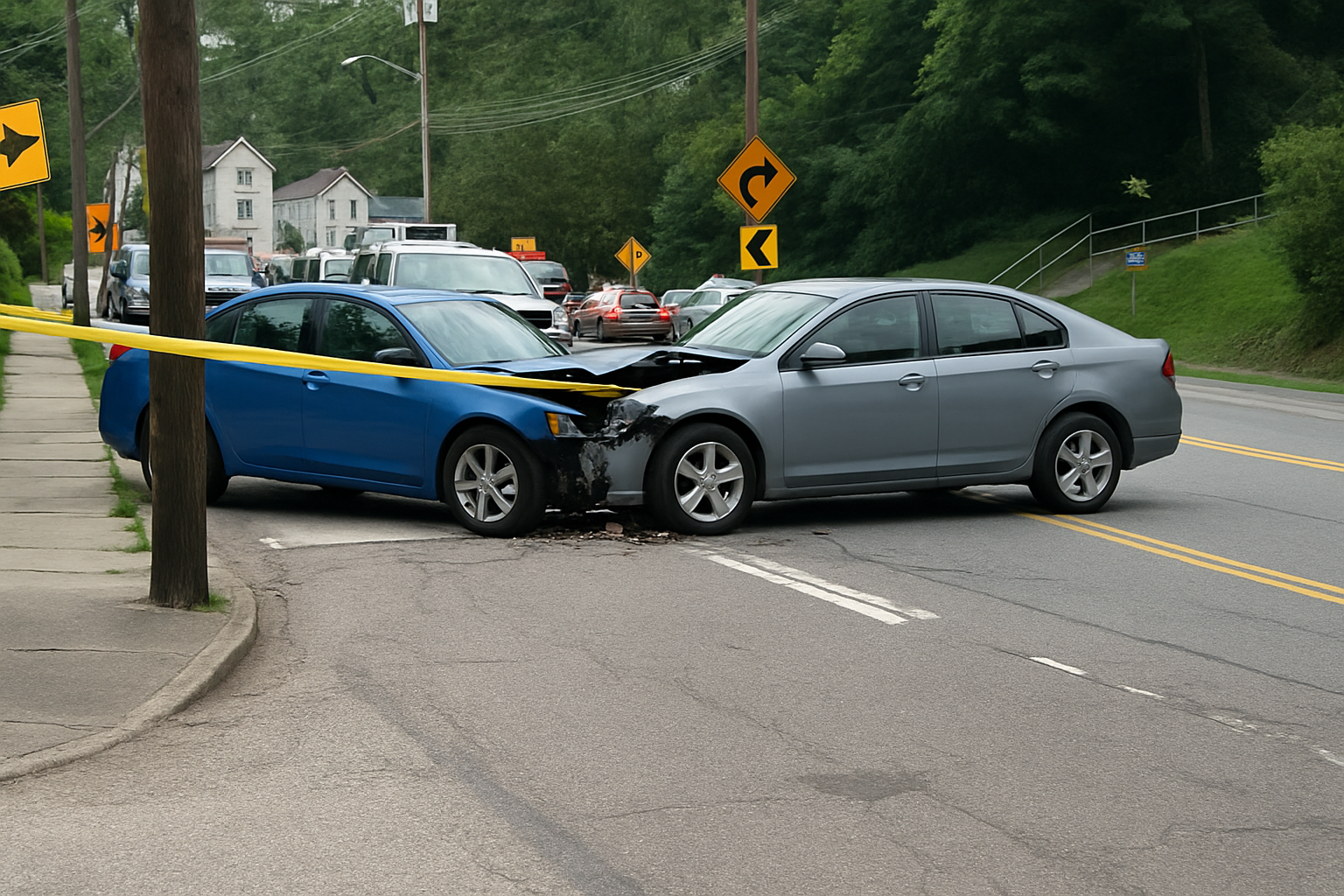
Multiple speeding tickets in New Jersey trigger point accumulation that doubles or triples your premium — but most drivers don't need SR-22 unless a suspension already occurred. Here's how to find affordable coverage and understand your timeline to rate recovery.
How Multiple Speeding Tickets Affect Your Insurance Rates in New Jersey
A single speeding ticket in New Jersey adds 2 to 5 points to your driving record depending on how far over the limit you were traveling. Two or more tickets within a three-year window compound both your point total and your insurance premium. Drivers with two speeding tickets typically see rate increases between 40% and 80%, while three or more tickets can push increases past 100% with some carriers dropping you entirely.
New Jersey uses a point system where 12 points trigger an automatic license suspension. Speeding 1–14 mph over the limit adds 2 points, 15–29 mph over adds 4 points, and 30+ mph over adds 5 points. If you have multiple tickets within the same insurance policy period — typically six months to a year — your insurer will reprice your policy at renewal based on your updated Motor Vehicle Record (MVR). Points remain on your New Jersey driving record for three years from the date of the violation, not the conviction date.
Rate increases are not uniform across carriers. Some insurers specialize in preferred risk and will non-renew policies after a second ticket, while others write non-standard policies and price multiple violations into their base rates. The difference in premium between a carrier that views you as uninsurable and one that specializes in drivers with points can exceed $150/month for the same coverage limits. This is why shopping your policy after accumulating points is the highest-leverage action available — your current carrier's rate increase is not the market rate. New Jersey SR-22 insurance requirements non-standard auto insurance liability insurance
Do You Need SR-22 Insurance in New Jersey for Speeding Tickets?
New Jersey does not require SR-22 filing for speeding tickets alone, even if you have multiple violations. SR-22 is a certificate of financial responsibility filed by your insurer with the New Jersey Motor Vehicle Commission (MVC), and it is only mandated in specific situations: after a license suspension for point accumulation (12+ points), after a DUI or refusal to submit to a breath test, for driving without insurance, or for failing to appear in court for a traffic summons.
If you have accumulated points from speeding tickets but have not reached the 12-point threshold and have not had your license suspended, you do not need SR-22. Your insurance will cost more due to the violations on your record, but you remain in the standard or non-standard market without the SR-22 requirement. This distinction matters because SR-22 policies are priced higher and require continuous coverage — any lapse triggers a notice to the MVC and extends your filing period.
If you did hit 12 points and had your license suspended, you will need SR-22 once your suspension is lifted and you apply for reinstatement. New Jersey typically requires SR-22 filing for three years following reinstatement after a point suspension. The filing itself costs around $25 to $50 as a one-time fee, but the premium increase from being classified as an SR-22 driver adds an additional 20% to 50% on top of the rate increase from the violations themselves.
Which Carriers in New Jersey Write Policies After Multiple Speeding Tickets
Standard carriers like Geico, Progressive, and State Farm will continue to write policies for drivers with two speeding tickets, though premiums will increase significantly. After a third ticket or a combination of speeding and other moving violations, many standard carriers will non-renew at the next policy period. At that point, you enter the non-standard or high-risk market.
Non-standard carriers operating in New Jersey include The General, Dairyland, National General, Bristol West, and Acceptance Insurance. These companies price risk differently and build violations into their actuarial models rather than treating them as exceptions. A driver with three speeding tickets might pay $220/month with a non-standard carrier versus being declined entirely by a preferred carrier. The coverage is identical — liability limits, collision, and comprehensive are the same — but the underwriting criteria are wider.
Brokers and independent agents have access to multiple non-standard carriers and can quote your specific MVR across several companies in one session. Captive agents — those who represent a single carrier like State Farm or Allstate — can only offer their company's rates, which may not be competitive once you have multiple violations. Using a broker or an online comparison tool that includes non-standard carriers is the most efficient way to surface the lowest available rate for your exact point total and violation history.
How Long Until Your Rates Recover in New Jersey
Points remain on your New Jersey driving record for three years from the date of the violation. Once a violation reaches the three-year mark, it falls off your MVR and your insurer can no longer use it to calculate your premium. However, most carriers look back at a three- to five-year claims and violation history when underwriting a new policy, so switching carriers immediately after a violation ages off may still surface that ticket during the quoting process.
If you have two speeding tickets from the same year, both will age off around the same three-year window, which creates a sharp downward adjustment in your rate at renewal. If your tickets are spread across multiple years, your rate will decrease incrementally as each one falls off. A driver with tickets in year one and year three will see a partial rate reduction at year four and a larger reduction at year six.
You can accelerate rate recovery by completing a New Jersey defensive driving course, which removes up to two points from your record if you have not taken the course in the previous five years. The course does not erase the violations from your MVR — insurers will still see them — but reducing your active point total lowers the risk of suspension and may improve your rate with some carriers. Maintaining continuous coverage without any lapses and avoiding any new violations during the three-year lookback period are the two factors that produce the steepest rate recovery curve.
What to Do Right Now If You Have Multiple Speeding Tickets in New Jersey
Check your current point total by ordering your New Jersey driving abstract from the MVC. You can request this online for $15. Knowing your exact point total tells you how close you are to the 12-point suspension threshold and helps you understand whether another violation would trigger a license suspension and SR-22 requirement. If you are at 8 or 9 points, even a minor speeding ticket could push you over.
Shop your policy with at least three carriers or use a comparison tool that includes non-standard insurers. Do not assume your current carrier's renewal rate is the best available — most drivers with multiple violations save between $50 and $150/month by switching to a carrier that specializes in non-standard risk. Request quotes with identical coverage limits so you are comparing equivalent policies.
If you are within two points of suspension, consider enrolling in a New Jersey defensive driving course before your next renewal. The two-point reduction will not remove violations from your record, but it creates a buffer that prevents suspension if you receive another ticket. If you have already been suspended and reinstated, confirm your SR-22 filing is active and has no lapses — any gap in coverage resets your three-year filing period and can result in a new suspension.