
CDL Holders with Personal Points: The 60-Day Rule Explained
Free to compare
What the 60-Day CDL Notification Rule Actually Requires
Federal Motor Carrier Safety Administration regulations require CDL holders to notify their employer within 30 days of any traffic violation conviction in any vehicle, personal or commercial. The employer must then report that conviction to the state licensing agency within 30 days, creating a combined 60-day accountability window.
This applies to speeding tickets, stop sign violations, reckless driving charges, and any moving violation that results in a conviction—not just commercial vehicle incidents. A 15-over speeding ticket you paid online in your personal sedan on a weekend road trip triggers the same reporting requirement as a logbook violation in your employer's tractor-trailer.
Missing the 30-day employee notification window does not erase the violation, but it can result in additional penalties from your employer and potential federal violations separate from the underlying traffic offense. The conviction appears on your driving record regardless of whether you report it, because courts transmit conviction data to state DMVs independently of the CDL notification process.

How Personal Vehicle Points Affect Your CDL Record
State point systems treat CDL holders identically to non-commercial drivers for personal vehicle violations. A speeding ticket in your car adds the same points to your state driving record as it would for someone without a CDL—typically 2 to 4 points depending on speed and state.
The distinction appears in consequences, not points. A CDL holder accumulating points on their personal record faces standard state license suspension thresholds plus federal CDL disqualification rules that run in parallel. If your state suspends licenses at 12 points in 24 months, that threshold applies to you—and triggers automatic CDL disqualification once the suspension takes effect.
Federal regulations impose separate serious traffic violation rules: two qualifying violations within three years in any vehicle trigger a 60-day CDL disqualification, three violations trigger 120 days. Qualifying violations include speeding 15 mph or more over the limit, reckless driving, improper lane changes, and following too closely. A single speeding ticket in your pickup truck does not disqualify your CDL, but it starts the three-year clock and counts as the first serious violation if another occurs.

Why Employers Require Notification Even for Off-Duty Violations
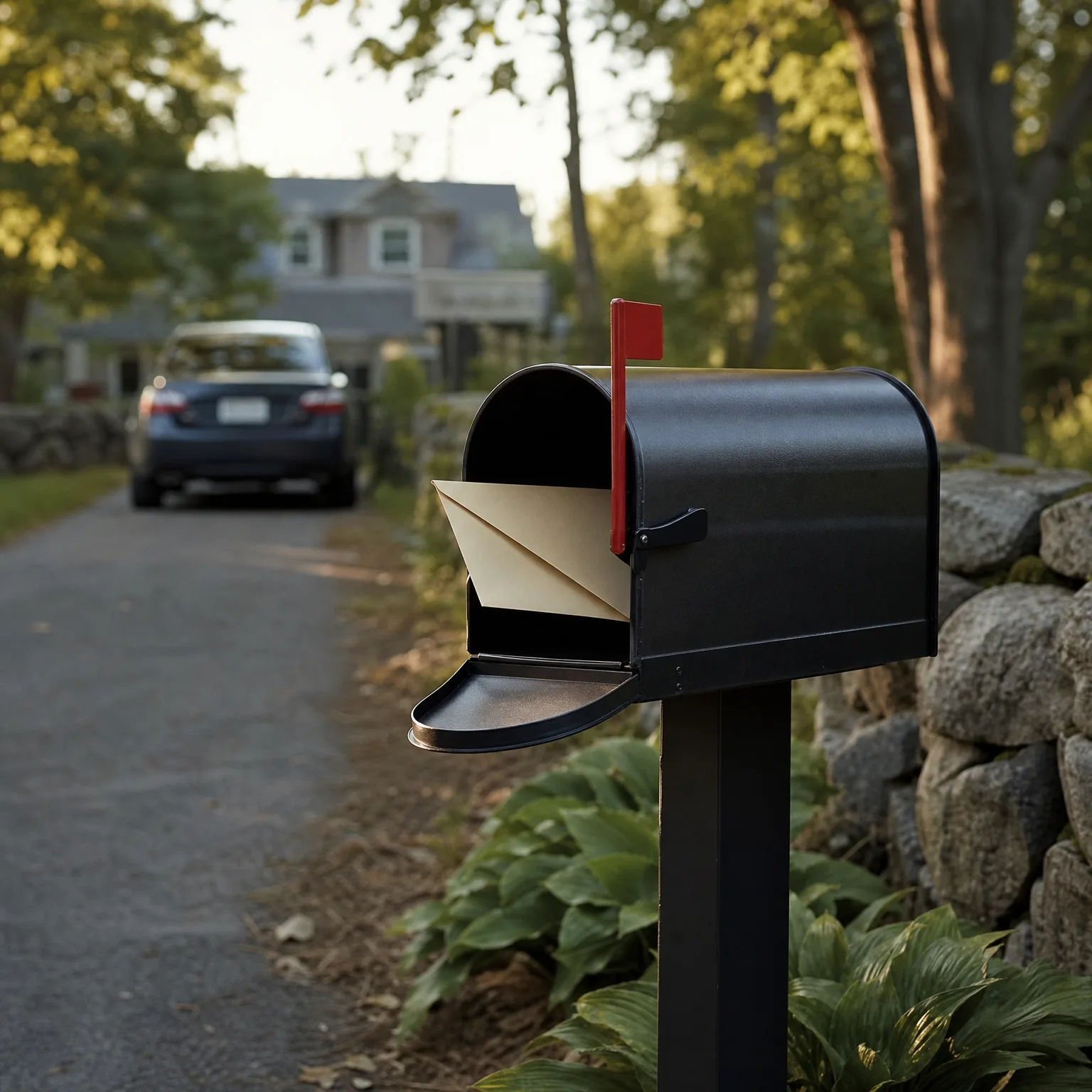
The 30-day notification requirement exists because federal law treats a CDL as a single continuous credential regardless of which vehicle you operate. Your employer holds liability for allowing a disqualified driver to operate commercial vehicles, and conviction data from state courts does not always flow to employer systems in real time.
Many carriers maintain internal violation tolerance policies stricter than federal minimums. A second speeding ticket within 12 months might trigger mandatory safety training, loss of preferred routes, or termination even if the violations occurred entirely in personal vehicles and fall below federal disqualification thresholds. Employers set these standards independently and enforce them through the notification system.
Failure to report creates two separate violations: the underlying traffic offense and a federal reporting violation. Drivers who skip notification hoping the employer won't find out typically lose that gamble at the next Motor Vehicle Record pull, which most carriers conduct quarterly or at annual insurance renewals. The delayed discovery often results in harsher consequences than timely disclosure would have triggered.

Find the Insurers That Still Want Your Business
See Carriers That Cover YouWhen Personal Violations Trigger Insurance Rate Increases for CDL Holders
Personal auto insurance and commercial vehicle insurance operate as separate policies with independent rating structures, but violations in your personal car affect both. A speeding ticket you receive driving your spouse's sedan to the grocery store increases your personal auto premium by 15 to 30 percent at renewal and appears on the Motor Vehicle Record your employer's commercial insurer reviews.
Commercial fleet insurers underwrite based on aggregated driver safety scores across all covered operators. A single driver's personal violation does not typically trigger immediate fleet premium increases, but it degrades that driver's safety score and can result in internal reclassification from preferred driver status to standard or monitored status. This reclassification often carries operational consequences like route restrictions or equipment limitations before it affects premiums.
Your personal auto policy treats you as a higher-risk operator the moment the conviction posts, regardless of CDL status. Carriers do not distinguish between professional drivers and casual operators when setting personal auto rates. The fact that you drive commercially for a living does not insulate your personal policy from standard violation surcharges, which persist for three to five years depending on state and carrier.
What Happens If You Miss the 30-Day Reporting Window
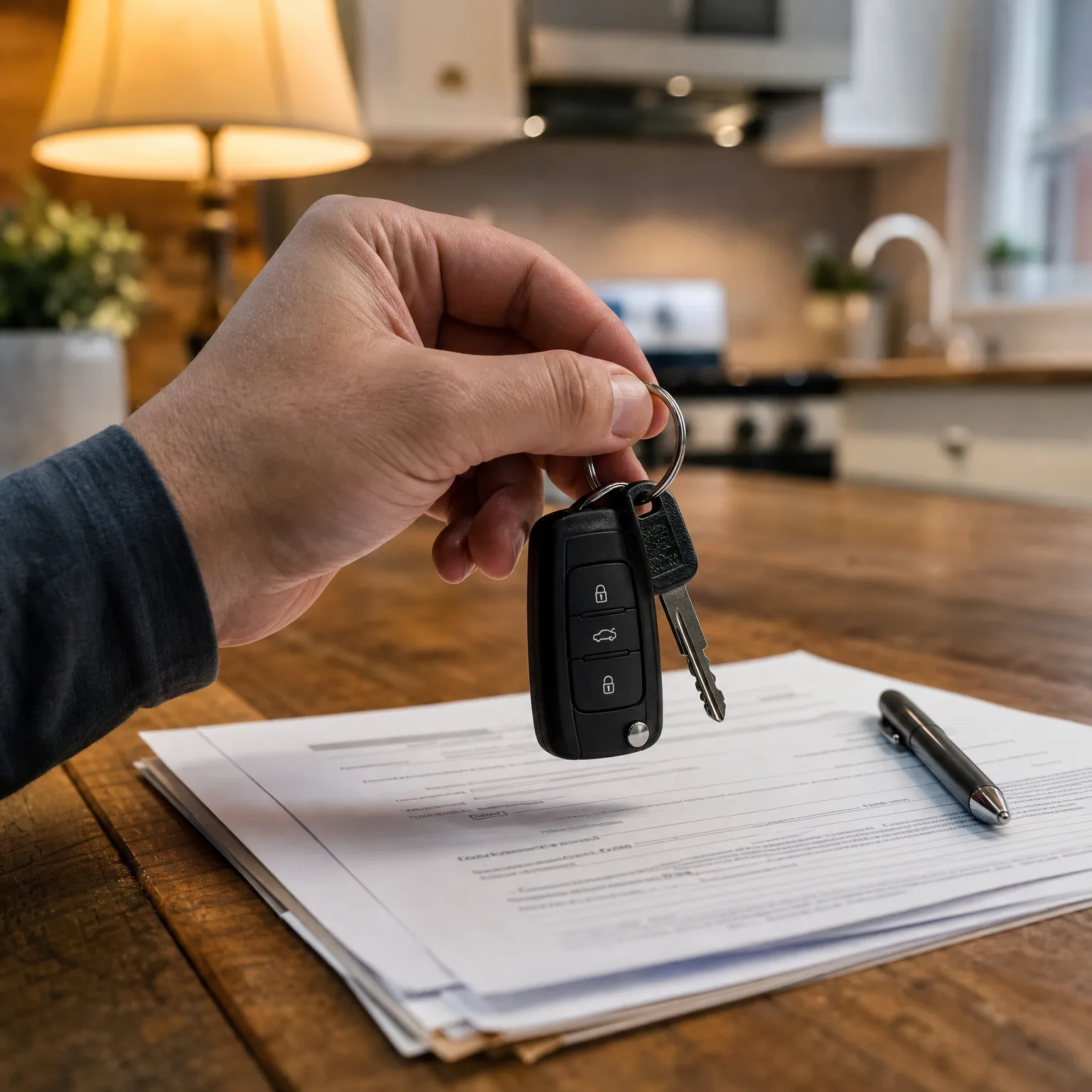
Late notification does not cure the reporting requirement. If you realize on day 45 that you missed the 30-day deadline, you still must notify your employer immediately. Federal regulations impose fines up to $2,750 for reporting violations, though enforcement for first-time late reporting typically results in employer disciplinary action rather than direct FMCSA penalties.
Employers who discover unreported violations through quarterly MVR monitoring rather than employee disclosure commonly treat the omission as a terminable offense, even when the underlying violation would have resulted only in a written warning. The failure to report signals concealment risk that fleet safety managers view as more serious than the traffic offense itself.
Some states impose separate penalties for CDL holders who fail to report convictions to their employers. These state-level penalties layer on top of federal requirements and can include CDL suspension or mandatory retesting. Under current federal and state rules, there is no amnesty provision or grace period for inadvertent late reporting—the violation stands regardless of intent or explanation.

How to Minimize Rate Impact After a Personal Vehicle Violation
Completing a state-approved defensive driving course within 30 to 90 days of conviction can remove points from your driving record in states that offer point reduction programs, but it does not erase the conviction from your Motor Vehicle Record. Insurers rate based on convictions, not points, so the course reduces your suspension risk without guaranteeing rate relief.
Request a rate review at your next personal auto policy renewal after the course completion posts to your record. Some carriers apply defensive driving discounts that partially offset violation surcharges, but you must ask—most do not apply the credit automatically. The discount typically reduces your base premium by 5 to 10 percent, which offsets but does not eliminate the 15 to 30 percent violation surcharge.
Shopping for a new personal auto carrier after a violation posts often yields better results than waiting for your current carrier's surcharge to expire. Carriers weigh violations differently, and some non-standard or commercial-driver-focused insurers offer better rates for CDL holders with recent tickets than standard preferred carriers do. Compare at least three quotes within 30 days of your conviction posting to capture the best available rate before the surcharge fully loads into your renewal premium.
Frequently Asked Questions
Do I have to report a speeding ticket I got in my personal car to my CDL employer?
Yes. Federal regulations require CDL holders to report any traffic violation conviction in any vehicle to their employer within 30 days, including tickets received in personal vehicles during off-duty hours. The violation type and vehicle class do not matter—the CDL holder notification rule applies to all moving violations that result in convictions.
Will a ticket in my personal vehicle disqualify my CDL?
A single ticket typically will not disqualify your CDL, but two serious traffic violations within three years in any vehicle trigger a 60-day federal CDL disqualification. Serious violations include speeding 15 mph or more over the limit, reckless driving, and improper lane changes. State license suspensions for point accumulation also trigger automatic CDL disqualification while the suspension is active.
Does my personal auto insurance rate go up if I have a CDL?
Your personal auto insurance treats you the same as any other driver with a violation on record. A speeding ticket in your personal vehicle increases your personal auto premium by 15 to 30 percent regardless of CDL status. Having a CDL does not insulate your personal policy from standard violation surcharges.
Can I take a defensive driving course to remove a personal violation from my CDL record?
Defensive driving courses remove points from your state driving record in states that offer point reduction, but they do not erase the conviction from your Motor Vehicle Record. Your employer and insurers rate based on convictions, not points, so the course reduces suspension risk but does not guarantee rate relief or employer amnesty.
Related Articles

CDL Holders: Personal Vehicle Violation Point Rules
5/17/2026

CDL Speeding Ticket Off-Duty: Employer Disclosure Rule
5/17/2026

Personal License Points & CDL: Federal Threshold
5/17/2026

CDL Renewal After Personal Violation: What Changes
5/17/2026

CDL Reckless Driving Personal Time: 60-Day Notice Rule
5/17/2026

CDL Personal Violations: Federal Disqualification Math
5/17/2026