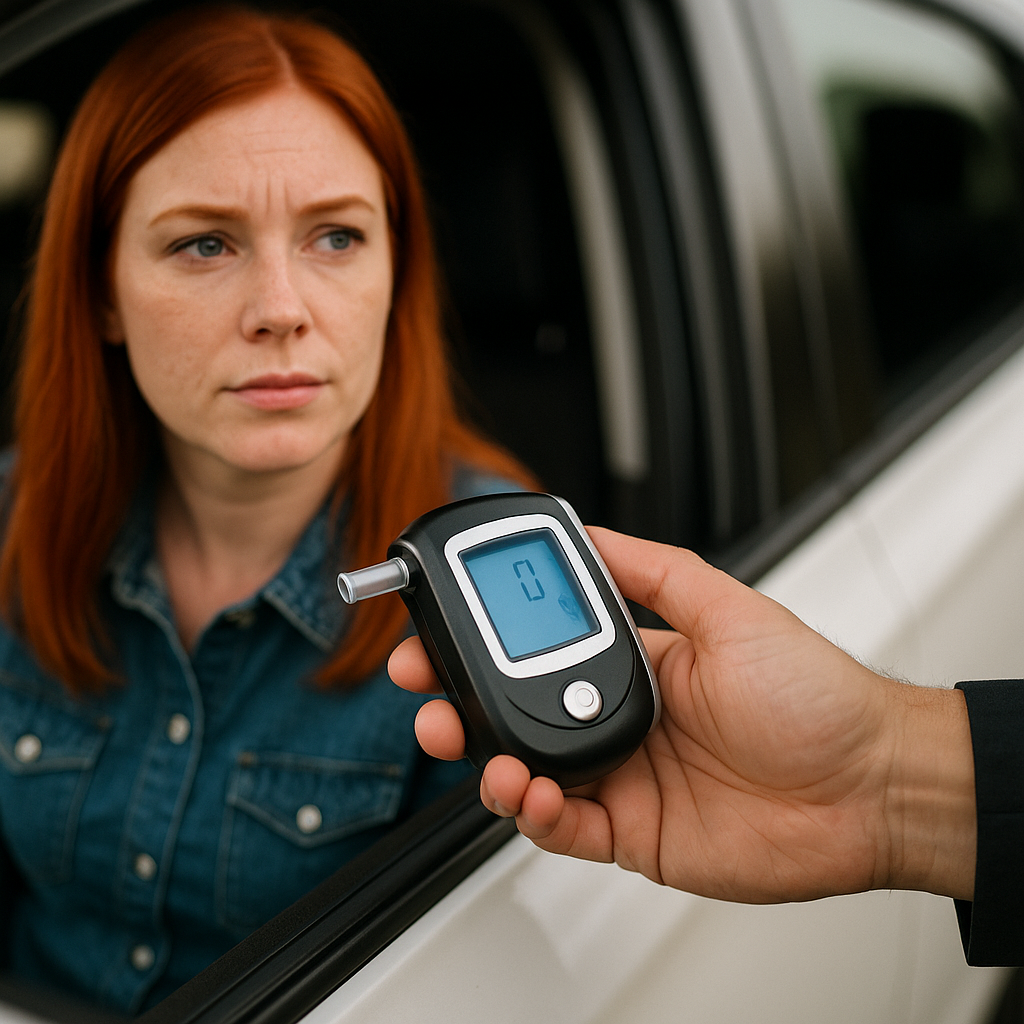
Points from tickets or accidents pushing up your premiums in Long Beach? California keeps violations visible to insurers for 3–10 years depending on type, but rate recovery starts sooner—and carrier choice matters more than your point total.
How California's Point System Affects Your Long Beach Insurance Rates
California assigns 1 point for most moving violations like speeding or running a red light, and 2 points for at-fault accidents or reckless driving. The DMV uses these points to determine license suspension—if you accumulate 4 points in 12 months, 6 points in 24 months, or 8 points in 36 months, you face suspension. But insurers don't care about your point total. They care about the underlying violations themselves, which stay visible on your motor vehicle report (MVR) for 3 years for most tickets and 10 years for DUI or major violations.
Most Long Beach drivers assume their rates will drop once points fall off their DMV record—typically 12 months for 1-point violations and 24 months for 2-point violations. That's not how it works. Insurers in California can rate you based on the violation itself for 3 years from the conviction date, regardless of whether the DMV point has expired. A speeding ticket from 2022 still affects your 2025 premium even though the point expired in 2023.
Rate increases vary by violation type and carrier. A single speeding ticket (1–15 mph over) typically raises premiums 15–25% in California. An at-fault accident adds 30–50%. A reckless driving conviction can double your rate. These increases persist for 3 years from the violation date, then begin to taper. By year four, most violations no longer affect your rate—but you need to shop carriers actively, because not all insurers automatically drop surcharges at the same pace. California SR-22 requirements non-standard auto insurance
Cheapest High-Risk Carriers in Long Beach for Drivers With Points
Long Beach drivers with points on their record see the widest rate variance across carriers of any insurance category. A driver paying $320/month with one carrier might qualify for $180/month with another—same coverage, same violations, same zip code. The reason: each insurer weights violations differently. Some carriers penalize speeding tickets heavily but go easier on at-fault accidents. Others do the opposite.
Non-standard and semi-standard carriers typically offer the best rates for Long Beach drivers with 1–3 points. Bristol West, Kemper, and Acceptance are active in California and specialize in non-perfect records. Mercury and CSAA often remain competitive for drivers with a single recent violation. Progressive and Geico may still write you but usually aren't the cheapest once you have multiple points. State Farm and Farmers tend to be the most expensive for drivers with violations in Southern California.
Long Beach minimum liability coverage (15/30/5 in California) runs $90–$180/month for a driver with one recent speeding ticket, and $150–$280/month for a driver with an at-fault accident. Full coverage (100/300/50 with collision and comprehensive) typically ranges from $210–$380/month with one violation, and $320–$550/month with two or more. These ranges assume a 35-year-old driver with a 2015 sedan. Younger drivers, luxury vehicles, and Long Beach zip codes near the 90813 or 90805 areas (higher theft and accident density) push rates higher. liability insurance
When Points Trigger SR-22 in California and When They Don't
Most point violations in California do not require SR-22 filing. SR-22 is a compliance certificate your insurer files with the DMV to prove you carry continuous liability coverage, and it's only mandated in specific situations: DUI conviction, reckless driving conviction (sometimes), driving without insurance, at-fault accident while uninsured, or license suspension for too many points. A standard speeding ticket, even one that adds a point to your record, does not trigger SR-22.
If you do need SR-22 in California, the filing itself costs $15–$25 and your insurer submits it electronically to the DMV. You must maintain SR-22 for 3 years from your license reinstatement date—not from the violation date. If your policy lapses during that period, the insurer notifies the DMV and your license is suspended again. The SR-22 requirement adds roughly 10–20% to your base premium on top of the violation surcharge, because it signals higher risk and stricter monitoring.
Long Beach drivers often confuse point-based license suspension with SR-22 requirement. If you hit 4 points in 12 months, the DMV suspends your license—but you only need SR-22 if you're convicted of a specific violation that mandates it, or if you were caught driving during suspension. Most drivers who accumulate points through multiple minor violations (e.g., three speeding tickets in a year) face suspension but not SR-22 unless they drove while suspended.
Defensive Driving and Rate Recovery Timeline in California
California allows drivers to mask 1 point every 18 months by completing a DMV-approved traffic school course, but only if the violation was a 1-point moving violation, you weren't driving a commercial vehicle, and you haven't used traffic school in the past 18 months. The course costs $20–$50 online and takes 6–8 hours. Completing traffic school keeps the point off your DMV record entirely, which prevents license suspension—but the conviction still appears on your MVR and insurers can still rate you for it.
Some insurers in California offer a small rate reduction (5–10%) if you complete traffic school or a defensive driving course, even if it doesn't mask the point for DMV purposes. Ask your carrier directly—this isn't automatic and not all companies honor it. The reduction is modest but stacks with natural rate decay over time.
Rate recovery follows a predictable timeline for most Long Beach drivers. Year one after a violation: full surcharge, typically 15–50% above your pre-violation rate. Year two: surcharge persists but some carriers begin slight reductions. Year three: most carriers drop or significantly reduce the surcharge. By year four, the violation no longer affects your rate with most insurers, though it remains visible on your MVR. Shopping carriers at the 3-year mark accelerates recovery—your old insurer may still surcharge you while a new one treats the violation as aged out.
What Long Beach Drivers Should Do After Accumulating Points
If you received a ticket or were involved in an at-fault accident, request your MVR from the California DMV before your next renewal. Your insurer will pull this report at renewal, and knowing what's on it lets you shop proactively rather than reacting to a surprise rate increase. The DMV charges $5 for an MVR online, and it shows all violations, points, and your current suspension status.
Shop at least three non-standard carriers and two standard carriers at your next renewal. Long Beach drivers with points see rate swings of 40–80% between the highest and lowest quotes for identical coverage. Non-standard carriers often don't advertise heavily, so you won't find them through a web search—working with an independent agent or using a comparison tool that includes non-standard options is the most efficient path.
Don't drop coverage to save money. A lapse in California adds a coverage gap surcharge on top of your point-based surcharge, and if you're required to carry SR-22 (even if you don't know it yet), a lapse triggers immediate license suspension. If cost is prohibitive, drop collision and comprehensive before dropping liability. California requires 15/30/5 minimum liability, and driving without it converts a rate problem into a legal one.
Long Beach Zip Codes and Local Rate Factors With Points
Long Beach insurance rates vary significantly by zip code even for drivers with identical violation histories. The 90813, 90802, and 90805 zip codes see the highest premiums due to dense traffic, higher theft rates, and more frequent claims. The 90808 and 90815 areas (eastern Long Beach, closer to Los Alamitos and Seal Beach) typically run 10–15% lower for the same driver profile.
If you live in a higher-rate Long Beach zip code and have points on your record, expect compounding effects. A driver in 90813 with one speeding ticket might pay $240/month for minimum liability, while the same driver in 90808 pays $200/month. The violation surcharge applies to a higher base rate in high-density areas, which magnifies the total cost.
Garage location matters more than many Long Beach drivers realize. If you park your car at a different address than your residence (e.g., a family member's driveway in a lower-risk zip code), you can sometimes rate the policy to that garaging address. This is legal only if the car is actually garaged there overnight most nights—misrepresenting garaging location is fraud and will void your policy if discovered during a claim.