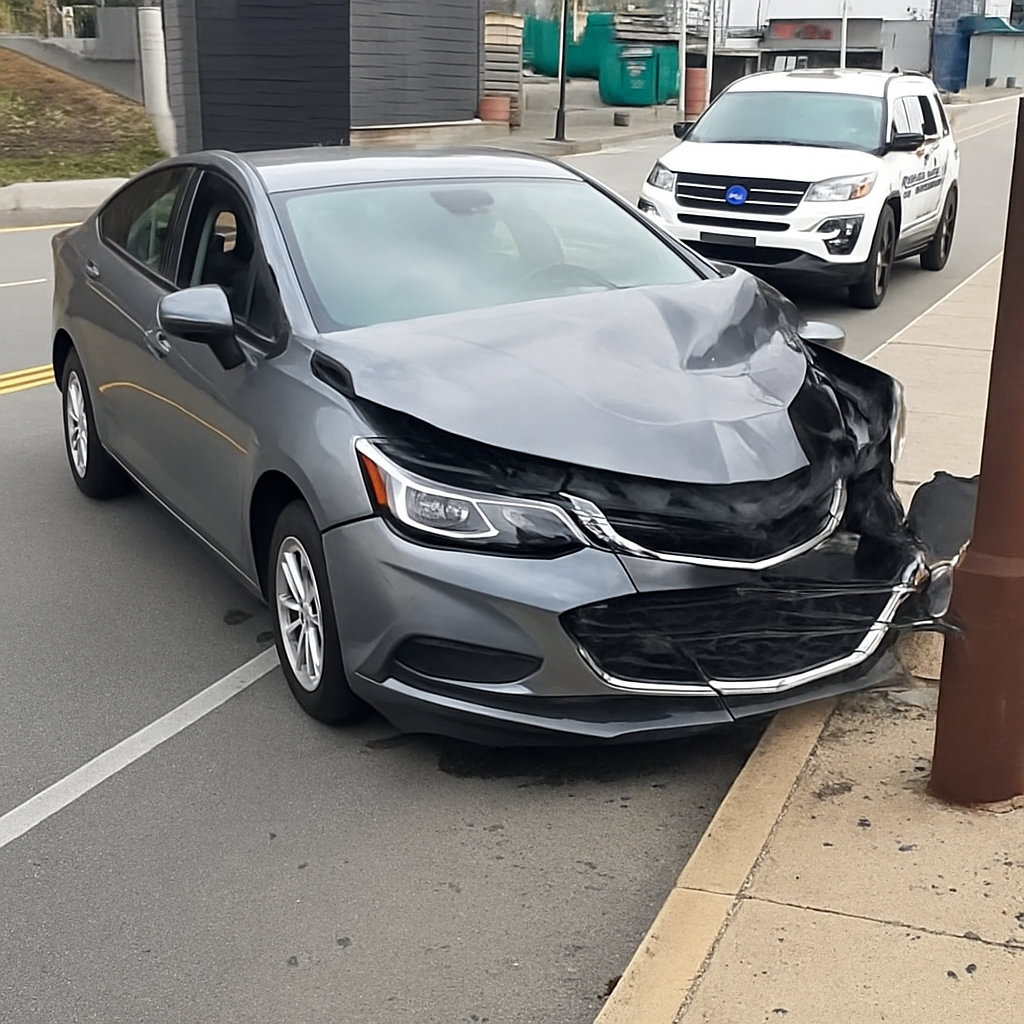
Points from speeding tickets, at-fault accidents, or moving violations can double your San Antonio insurance rates. Here's how to find the cheapest coverage while you wait for those points to drop off your Texas record.
How Points Affect Your Insurance Rates in San Antonio
Texas assigns points to your driving record through the Department of Public Safety: 2 points for most moving violations, 3 points for violations resulting in a crash. If you accumulate 6 or more points within 3 years, your license can be suspended. Most San Antonio drivers with points are in the 2-4 point range from one or two tickets — not facing suspension, but definitely facing higher premiums.
Insurance carriers in Texas do not use the state's point system directly. They apply their own internal rating factors based on violation type, severity, and your overall driving history. A single speeding ticket 10-14 mph over the limit typically increases your rate by 20-30%. An at-fault accident can raise premiums by 40-50%. Two violations within 18 months can push you into non-standard territory, where rate increases of 80-150% are common.
The gap between standard and non-standard carriers is where San Antonio drivers lose the most money. A driver with 4 points might pay $180/month with a standard carrier that still accepts them, or $90/month with a non-standard carrier specializing in imperfect records. Most drivers never compare beyond their current insurer and end up overpaying for years. Texas SR-22 requirements non-standard auto insurance
When Points Fall Off Your Texas Driving Record
Texas removes points from your driving record 3 years from the date of conviction, not the date of the violation. If you were ticketed in March 2023 but convicted in June 2023, the 3-year clock starts in June 2023. This distinction matters because your insurance carrier pulls your motor vehicle report (MVR) periodically — typically at renewal — and as soon as points drop off, you become eligible for lower rates.
The 3-year rule applies to points, but the violation itself remains visible on your record for longer. Most moving violations stay on your Texas MVR for 3 years from conviction. Serious violations like reckless driving or racing remain visible for up to 10 years. Insurance carriers in San Antonio may continue rating you for a violation even after points have technically cleared, but the rate impact diminishes significantly after the 3-year mark.
If you're currently at 11 months since conviction with one violation, you're closer to rate relief than you think. At the 3-year mark, request a new quote or ask your current carrier to re-rate your policy. Some San Antonio insurers automatically adjust at renewal; others require you to initiate the review.
Cheapest San Antonio Carriers for Drivers With Points
Non-standard carriers consistently offer lower rates than standard carriers for San Antonio drivers with points. The three most commonly available in Bexar County are Acceptance Insurance, Gainsco, and Dairyland. These carriers specialize in imperfect records and price competitively for drivers with 2-6 points who don't require SR-22 filing.
Acceptance Insurance operates multiple storefronts across San Antonio and quotes aggressively for drivers with one or two tickets. Monthly liability premiums for a driver with 4 points typically range from $85-$130 depending on age, ZIP code, and coverage limits. Gainsco, underwritten by MGA Insurance Company, writes policies for drivers with points, lapses, and accidents — often the lowest option for drivers under 30 with violations. Dairyland, available through independent agents, offers competitive rates for drivers over 40 with isolated violations.
Standard carriers like GEICO, Progressive, and State Farm will still write policies for drivers with minor point violations, but their rates for the same driver can run $150-$220/month. The rate gap exists because standard carriers penalize violations more heavily in their underwriting models, while non-standard carriers expect imperfect records and price accordingly. Shopping between both markets is the highest-leverage action available to you right now.
Do You Need SR-22 Filing in Texas for Points?
Most drivers with points in San Antonio do not need SR-22 filing. Texas requires SR-22 for specific scenarios: DUI/DWI convictions, driving without insurance citations, at-fault accidents while uninsured, certain repeat offenses, or court-ordered requirements. Standard point violations like speeding tickets, following too closely, or single at-fault accidents do not trigger SR-22 requirements unless you were uninsured at the time of the incident.
If you accumulated 6 or more points and faced a license suspension, Texas DPS may require SR-22 as a condition of reinstatement — but this is not automatic. You will receive explicit notice from DPS if SR-22 is required. If you have not received that notice, you do not need SR-22, and adding it to your policy unnecessarily increases your premium by $15-$35/month for the filing alone.
SR-22 is not a type of insurance. It's a certificate your insurer files with Texas DPS proving you carry at least the state minimum liability coverage: 30/60/25 ($30,000 bodily injury per person, $60,000 per accident, $25,000 property damage). If you do need SR-22, all the non-standard carriers listed above offer it, and many standard carriers will drop you once SR-22 is added. Confirm your exact requirement before shopping — it changes which carriers will quote you.
Actions That Lower Your Rate While You Have Points
Taking a Texas-approved defensive driving course can remove one ticket from your record for insurance purposes, even if it doesn't remove points from your state driving record. Texas allows drivers to take defensive driving once every 12 months to dismiss a ticket. If you've already been convicted and the ticket is on your record, the insurance discount still applies — typically 5-10% for three years — and some insurers will remove the violation from their internal rating.
Bundling your auto policy with renters or homeowners insurance can offset 10-20% of your premium increase. Most San Antonio drivers with points skip this step because they're focused entirely on auto rates, but the combined discount often brings total cost below what you'd pay for auto-only coverage elsewhere.
Increasing your deductible from $500 to $1,000 reduces your premium by 15-25%, which can partially offset the rate increase from points. This works best if you have an emergency fund to cover the higher out-of-pocket cost in a future claim. Dropping collision and comprehensive coverage entirely is another option if your vehicle is worth less than $3,000 — you'll keep liability coverage to stay legal, but eliminate the most expensive components of your premium.
Re-shop your rate every 6 months while you have points. Carrier appetites for risk change quarterly, and a non-standard insurer that quoted you $140/month six months ago may now quote $95/month for the same coverage. Set a calendar reminder for every renewal period and get at least three quotes each time.
What Happens If You Hit the 6-Point Suspension Threshold
If you accumulate 6 or more points within a 3-year period, Texas DPS will suspend your license. You'll receive a notice of suspension in the mail with a hearing date. At the hearing, you can present evidence or request a probationary license that allows you to drive to work, school, or essential activities. Most first-time suspensions result in probation rather than full suspension if you have no prior suspensions and attend the hearing.
During suspension or probation, you're still legally required to carry liability insurance in Texas. Letting your policy lapse during this period adds a separate violation to your record and extends the timeline before you can reinstate your license. Non-standard carriers will continue covering you during suspension — standard carriers often will not.
Once your suspension period ends or probation is complete, DPS will require proof of insurance to reinstate your license. Some suspension orders include SR-22 as a reinstatement condition; others do not. Read your suspension notice carefully or call DPS at 512-424-2600 to confirm exactly what you need. Reinstatement fees in Texas are typically $100-$125, separate from any insurance costs.
How Long Until Your San Antonio Rates Return to Normal
Insurance rate recovery for drivers with points follows a predictable timeline in Texas. At the 1-year mark after conviction, most carriers reduce the surcharge on your violation by 20-30%. At the 3-year mark when points drop off your record, the remaining surcharge disappears or reduces to near zero. If you had one speeding ticket and no other violations, expect your rate to return to pre-ticket levels within 36-40 months.
Drivers with multiple violations face a longer recovery curve. Two tickets within 18 months typically keep you in non-standard pricing for 4-5 years from the date of the most recent conviction. An at-fault accident combined with a moving violation can extend that to 5-6 years. The good news: even before full recovery, your rate drops incrementally every year as violations age.
Switching carriers accelerates recovery more than waiting with your current insurer. Non-standard carriers re-rate your risk every 6-12 months and will move you to lower tiers as your record improves. Standard carriers often lock you into a risk class for the full policy term and require you to re-apply to see rate improvements. If you've been with the same insurer for more than a year since your last violation, re-shop immediately.