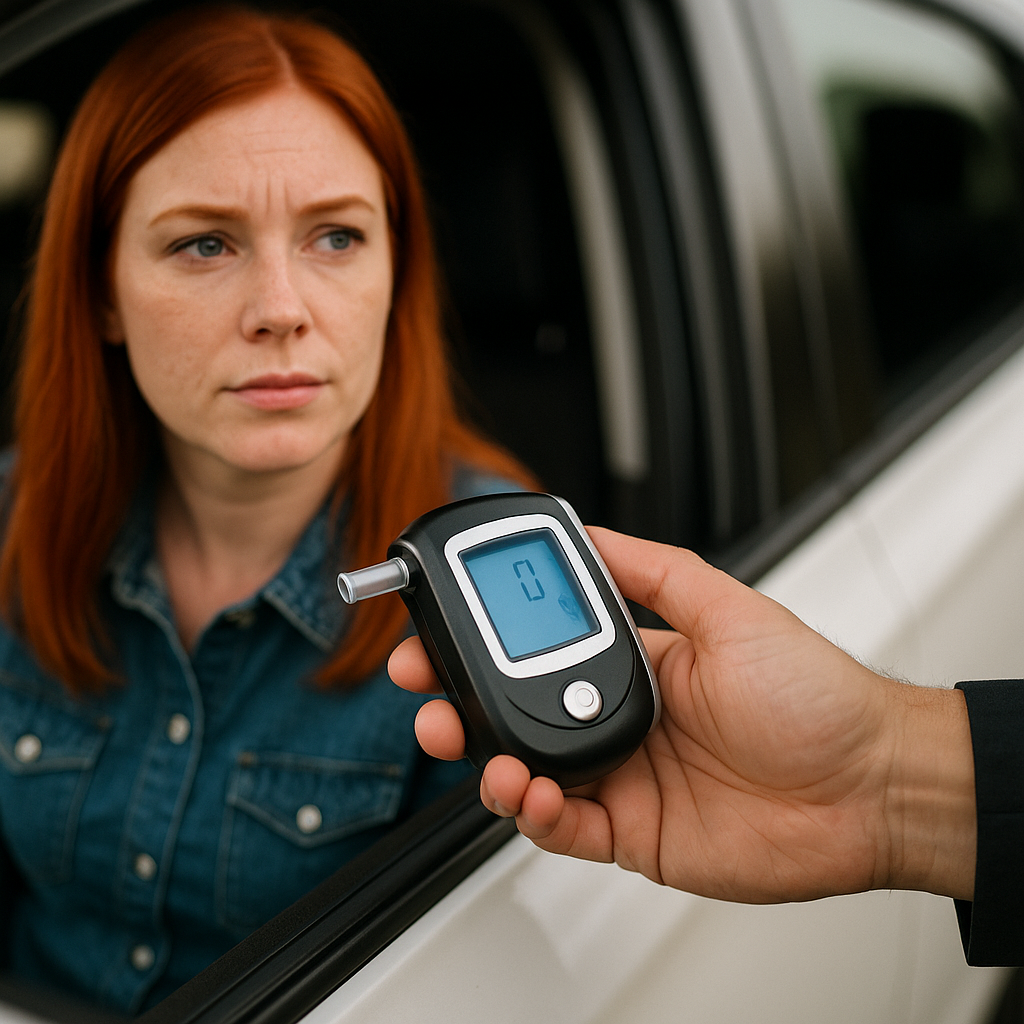
A reckless driving conviction stays on your insurance record for 3–5 years in most states, but your rates can stay elevated for longer if your carrier doesn't re-tier you or if you don't shop around once the conviction ages off.
How Long Reckless Driving Stays on Your Record
A reckless driving conviction typically remains on your motor vehicle record for 3 to 5 years, depending on your state. In California, it stays for 7 years. In Virginia, it remains for 11 years. In North Carolina, it falls off after 3 years. Your insurance company pulls your driving record during renewal or when you apply for a new policy, and the conviction will appear during that entire reporting window.
Your insurance record and your DMV record are separate but overlapping timelines. The DMV removes the conviction after the state-mandated period, but your insurance carrier may maintain its own internal underwriting records that extend beyond that window. This is why some drivers see rate increases persist even after the conviction technically falls off their state record.
Most states assign 4 to 6 points for reckless driving, with some jurisdictions treating it as a criminal misdemeanor rather than a simple traffic infraction. In states with point-based suspension systems, a reckless driving conviction can push you over the threshold for license suspension if you have other violations on record. For example, Virginia suspends your license at 12 points in 12 months or 18 points in 24 months, and a single reckless driving charge adds 6 points. Virginia SR-22 requirements California driving record reporting periods non-standard auto insurance
How Reckless Driving Affects Your Insurance Rates
A reckless driving conviction increases your auto insurance premiums by an average of 70% to 100% at your next renewal, according to rate data from state insurance departments. If you were paying $150/month before the conviction, expect your rate to jump to $255 to $300/month. The increase varies by carrier, state, and your prior driving history — drivers with clean records before the conviction typically see smaller percentage increases than drivers with multiple violations.
Carriers treat reckless driving as a major violation, categorizing it alongside DUI, hit-and-run, and racing. Some insurers will non-renew your policy outright after a reckless driving conviction, forcing you into the non-standard or assigned risk market. State Farm, Geico, and Progressive generally continue coverage but apply significant surcharges. Smaller regional carriers and non-standard insurers like The General, Acceptance, or Dairyland may offer more competitive rates for drivers with recent reckless driving convictions.
The rate increase does not disappear the moment the conviction falls off your DMV record. Most carriers apply surcharges based on a 3- to 5-year lookback period, but they do not automatically re-tier you when that period expires. You remain in your current underwriting tier until your next policy renewal or until you request a rate review. This is why shopping for coverage 3 years after a reckless driving conviction often produces a significantly lower premium than staying with your current carrier. North Carolina point reduction rules
When Your Rates Start to Drop After Reckless Driving
Your rates begin to decline as the conviction ages, but the reduction is not automatic. Most carriers reduce surcharges incrementally — you may see a 10% to 20% decrease after the first year, another reduction after the second year, and full removal of the reckless driving surcharge once the conviction reaches the 3- to 5-year mark. This timeline varies by carrier underwriting rules, and some insurers maintain the surcharge for the full duration the conviction remains on your record.
Shopping for a new policy is the single most effective way to lower your rate after a reckless driving conviction. Carriers price the same violation differently — one insurer may apply a 90% surcharge while another applies a 50% surcharge, depending on their appetite for non-standard risk. Once your conviction is 2 to 3 years old, you should compare quotes from at least three carriers, including non-standard insurers who specialize in high-point drivers.
Completing a state-approved defensive driving course can reduce your premium by 5% to 10% in some states, and it may also remove points from your driving record depending on state rules. North Carolina allows drivers to complete a driver improvement clinic to reduce insurance points by 3, which lowers premiums even if the reckless driving conviction itself remains on record. California does not allow point reduction for reckless driving, but completing traffic school may still satisfy a court requirement and prevent additional penalties.
State-Specific Reckless Driving Reporting Periods
California keeps reckless driving convictions on your record for 7 years from the violation date, and the conviction counts as 2 points. Virginia maintains the conviction for 11 years, and it adds 6 demerit points. Florida retains the violation for 3 to 5 years depending on the severity, and it assigns 4 points. Ohio keeps the conviction on your BMV record for 5 years, and it adds 4 points.
These reporting periods determine how long insurance companies can see and rate the conviction when they pull your motor vehicle report. Some states distinguish between the administrative record (how long the DMV tracks the conviction) and the insurance lookback period (how long insurers are allowed to rate the violation). In most cases, these timelines align, but not always. For example, some states allow insurers to rate major violations for 5 years even if the conviction technically falls off the public DMV record after 3 years.
If you move to a new state after a reckless driving conviction, the violation may or may not transfer to your new state's driving record depending on interstate reporting agreements. Most states participate in the Driver License Compact (DLC) or the Non-Resident Violator Compact (NRVC), which share major violation data across state lines. However, some states do not import out-of-state points, meaning your new state DMV record may be clean even though the conviction still appears on your insurance history. Your insurance company will still see the conviction when they pull a national driving record through LexisNexis or a similar database.
Does Reckless Driving Require SR-22 Filing?
Reckless driving does not automatically trigger an SR-22 requirement in most states. SR-22 is typically required after DUI, driving without insurance, repeated license suspensions, or accumulating a specific number of points within a short time period. However, if your reckless driving conviction results in a license suspension or if you accumulate enough points to cross your state's suspension threshold, the DMV may require you to file SR-22 as a condition of reinstatement.
In Virginia, reckless driving is a Class 1 misdemeanor that can result in license suspension at the court's discretion, and suspended drivers are required to file SR-22 for 3 years after reinstatement. In California, a reckless driving conviction does not require SR-22 unless it results in a suspension or the driver is deemed a negligent operator due to accumulated points. In North Carolina, reckless driving does not require SR-22 unless the offense involved alcohol or drugs.
If you are required to file SR-22 after a reckless driving conviction, your insurance carrier must submit the form to the state DMV on your behalf. Not all carriers offer SR-22 filing — if your current insurer does not, you will need to switch to a non-standard carrier that does. The SR-22 filing itself costs $15 to $50, but the real cost is the underlying high-risk premium, which can be 2 to 3 times higher than standard rates. SR-22 requirements typically last 3 years in most states, though some states require 5 years for repeat offenders.
What to Do After a Reckless Driving Conviction
Contact your insurance carrier immediately after a reckless driving conviction, even before your next renewal. Some carriers allow you to add the violation proactively and adjust your premium mid-term, which can be less disruptive than waiting for the carrier to discover it at renewal and potentially non-renew your policy. Ask whether your carrier offers accident forgiveness or violation forgiveness programs — these are rare for reckless driving, but some insurers waive the first major violation if you have been a long-term customer with a clean record.
Shop for quotes from at least three carriers within 30 days of your conviction. Non-standard insurers like The General, Acceptance, Bristol West, and Dairyland specialize in high-point drivers and may offer better rates than your current carrier. If you are non-renewed, do not wait until the last day of your policy term to find new coverage — your rates will be higher if you have a lapse in coverage on top of the reckless driving conviction.
If your state allows point reduction through defensive driving courses, complete the course as soon as you are eligible. Even if the reckless driving conviction itself remains on your record, reducing your total point balance can lower your premium and reduce the risk of license suspension if you receive another violation in the future. Check your state DMV website for approved course providers and confirm with your insurance carrier that completing the course will result in a premium discount.