
How to File SR-22 After Reckless Driving in Michigan
Free to compare
What Triggers SR-22 Filing After Reckless Driving in Michigan
Michigan requires SR-22 filing after any reckless driving conviction under MCL 257.626, which the state classifies as a major violation carrying 6 points. The conviction triggers immediate license suspension for 90 days, and reinstatement requires proof of financial responsibility via SR-22 for 3 years from the reinstatement date, not the conviction date.
Reckless driving in Michigan includes operating a vehicle in willful or wanton disregard for the safety of persons or property. Common examples include excessive speed combined with lane weaving, street racing, or driving behavior that creates immediate danger. The distinction matters because Michigan treats reckless driving differently than careless driving — careless driving carries 3 points and typically does not trigger SR-22 requirements.
The SR-22 filing requirement begins only after you complete the suspension period and apply for reinstatement through the Michigan Secretary of State. You cannot file SR-22 during the suspension period. Once reinstated, the 3-year SR-22 clock starts, and any lapse in coverage during that period triggers a new suspension and extends the filing requirement.

How to Get SR-22 Coverage After Reckless Driving
You request SR-22 filing from an insurance carrier licensed in Michigan, not from the Secretary of State. The carrier files the SR-22 certificate electronically with the state on your behalf, usually within 24-48 hours of policy binding. The filing confirms you carry at least Michigan's minimum liability limits: $50,000 bodily injury per person, $100,000 bodily injury per accident, and $10,000 property damage.
Most preferred carriers including State Farm, Progressive, and Auto-Owners decline to write new policies for drivers with recent reckless driving convictions. Non-standard carriers like The General, Direct Auto, and regional high-risk specialists are the realistic options during the first 12-24 months after conviction. Monthly premiums for SR-22 policies after reckless driving typically range from $180 to $320 in Michigan, depending on age, county, and vehicle type.
The carrier charges a one-time filing fee of $25 to $50 when initiating the SR-22, then monitors your policy continuously. If you cancel coverage, miss a payment, or reduce limits below the state minimum, the carrier must notify the Secretary of State within 10 days. That notification triggers immediate suspension of your driving privileges until you reinstate with a new SR-22 filing.

Timeline From Conviction to Valid SR-22 Filing
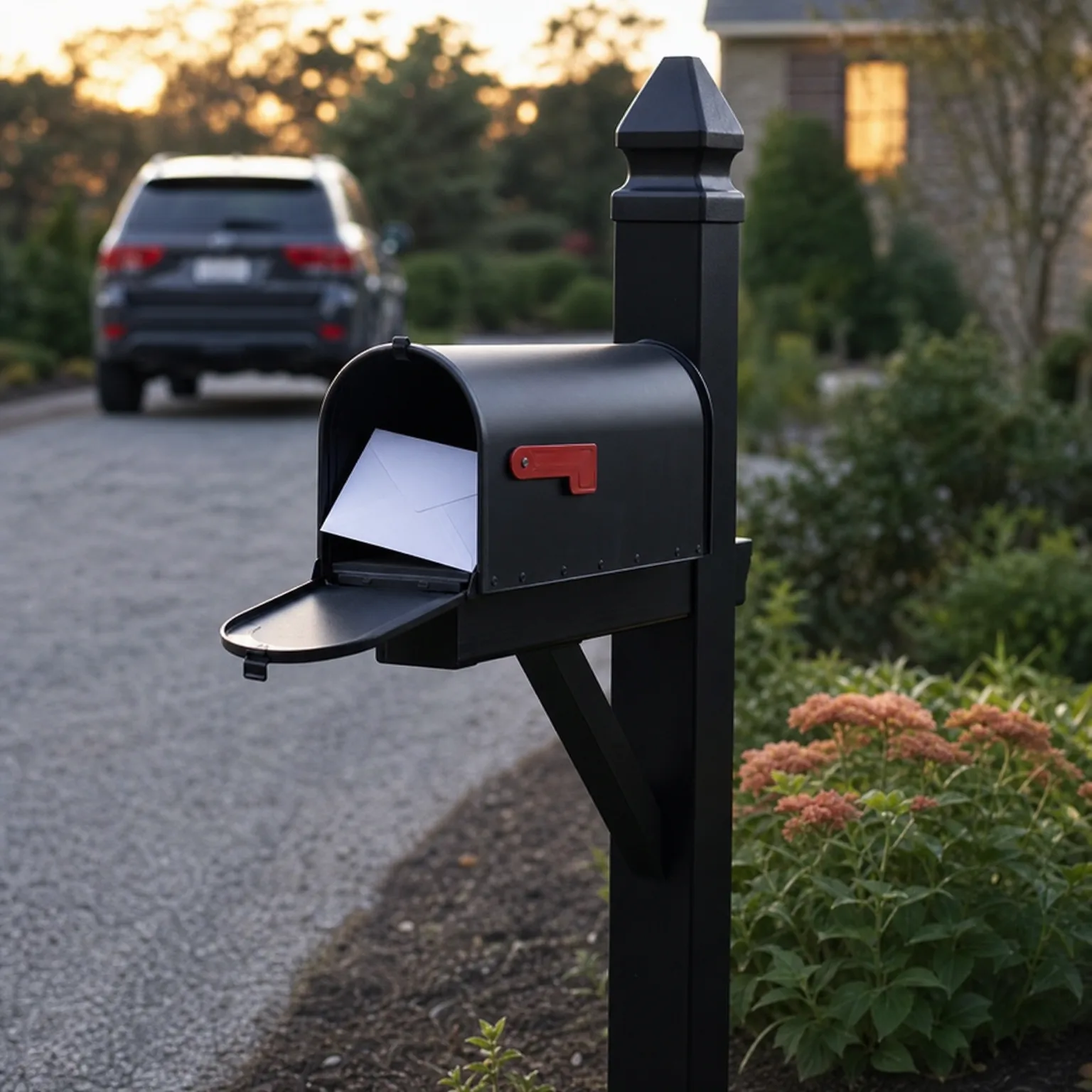
The reckless driving conviction triggers a 90-day hard suspension beginning on the conviction date or the date you surrender your license, whichever comes first. You cannot drive during this period, even with insurance. At day 90, you become eligible to apply for reinstatement, which requires paying a $125 reinstatement fee to the Secretary of State and providing proof of SR-22 filing.
Most drivers apply for reinstatement 7-10 days before the suspension ends to allow processing time. You obtain an SR-22 policy first, the carrier files the certificate electronically, and you bring proof of filing to the Secretary of State or submit it online through the Michigan.gov portal. Reinstatement is not automatic — you must complete the application and payment before your driving privileges are restored.
Once reinstated, the 3-year SR-22 clock begins. You must maintain continuous coverage for the full 36 months. If you switch carriers during this period, your new carrier must file a replacement SR-22 before the old policy cancels. A gap of even one day resets the clock and triggers a new suspension requiring another reinstatement process.

Find the Insurers That Still Want Your Business
See Carriers That Cover YouHow Reckless Driving Affects Insurance Rates in Michigan
A reckless driving conviction typically increases Michigan auto insurance rates by 80-120% for the first three years after conviction. The 6-point assignment remains on your driving record for 2 years from the conviction date, but carriers apply surcharges based on their own lookback periods, which usually extend 3-5 years for major violations.
The rate increase comes from two factors: the violation surcharge and the non-standard market placement. Carriers classify reckless driving as a major violation, triggering the highest surcharge tier in their rate structure. Because preferred carriers decline to write new policies for drivers with recent major violations, you are routed to non-standard carriers whose base rates are already 40-60% higher than standard market rates before any violation surcharge is applied.
Rates begin to normalize after the 2-year point assignment expires, but most carriers continue applying a reduced surcharge until the 3-5 year mark. At year 3, assuming no additional violations, some standard carriers will quote again, and monthly premiums typically drop by 30-50% compared to the non-standard market rate. Shopping carriers at each annual renewal is the highest-leverage action available during the recovery period.

What Happens If You Cancel SR-22 Coverage Early
Canceling your SR-22 policy before the 3-year requirement ends triggers automatic suspension of your Michigan driving privileges. The carrier notifies the Secretary of State within 10 days of policy cancellation, and the state suspends your license effective immediately. You receive written notice by mail, but the suspension takes effect whether or not you receive the notice.
Reinstatement after an SR-22 lapse requires obtaining a new SR-22 policy, paying a new $125 reinstatement fee, and in some cases extending the total SR-22 filing period beyond the original 3 years. Michigan law allows the Secretary of State to add up to 2 additional years of SR-22 requirements if lapses demonstrate inability to maintain continuous coverage.
Switching carriers during the SR-22 period is allowed and does not trigger suspension, but the timing must be managed carefully. Your new carrier must file a replacement SR-22 before your old policy cancels. Most drivers coordinate the switch by binding the new policy with an effective date 1-3 days before the old policy ends, ensuring no gap in coverage. The new carrier files the SR-22 electronically, and the state updates its records without interruption.

Can a Defensive Driving Course Reduce the SR-22 Requirement
Michigan does not allow drivers to remove or reduce SR-22 filing requirements by completing a defensive driving course after a reckless driving conviction. The 3-year filing period is mandatory and cannot be shortened through any remedial program. Defensive driving courses can remove points from certain violations under Michigan's Basic Driver Improvement Course program, but reckless driving is excluded from eligible violations.
The 6 points from reckless driving expire automatically 2 years after the conviction date, and this expiration happens regardless of whether you complete any course. However, the SR-22 filing requirement extends to 3 years, meaning you will still be required to maintain SR-22 for one additional year after the points have already fallen off your driving record.
Some carriers reduce surcharges for drivers who complete defensive driving courses even when the course does not affect DMV points or SR-22 duration. The discount is typically small, 5-10%, and applies only to the portion of the premium attributable to the violation, not the base rate or SR-22 filing fee. The course must be approved by the Michigan Secretary of State and completed during the SR-22 filing period to qualify for any carrier discount.
Frequently Asked Questions
How much does SR-22 insurance cost in Michigan after reckless driving?
Monthly premiums for SR-22 policies after reckless driving typically range from $180 to $320 in Michigan, depending on age, county, and vehicle type. The carrier also charges a one-time filing fee of $25 to $50 when initiating the SR-22. Rates are highest during the first 2 years after conviction and begin normalizing after the 6-point assignment expires.
How long do you need SR-22 after reckless driving in Michigan?
Michigan requires SR-22 filing for 3 years after reinstatement following a reckless driving conviction. The 3-year period begins on the date you reinstate your license, not the date of the conviction. Any lapse in coverage during the 3-year period triggers a new suspension and can extend the total filing requirement by up to 2 additional years.
Can you get SR-22 insurance while your license is suspended in Michigan?
You can purchase an SR-22 policy during the suspension period, but the carrier will not file the certificate with the state until you apply for reinstatement. Michigan requires a 90-day hard suspension after reckless driving, and you cannot drive during this period regardless of insurance status. Most drivers obtain SR-22 coverage 7-10 days before the suspension ends to ensure the filing is ready for reinstatement.
What happens if you miss a payment on your SR-22 policy in Michigan?
Missing a payment triggers policy cancellation, and the carrier must notify the Michigan Secretary of State within 10 days. The state suspends your driving privileges immediately upon receiving the cancellation notice. Reinstatement requires paying a new $125 fee, obtaining a new SR-22 policy, and potentially extending the total SR-22 filing period beyond the original 3 years.
Does reckless driving require SR-22 in Michigan even if it's your first violation?
Yes, Michigan requires SR-22 filing after any reckless driving conviction under MCL 257.626, regardless of prior driving record. The conviction triggers both a 90-day license suspension and a 3-year SR-22 filing requirement beginning at reinstatement. Clean driving history before the conviction does not exempt you from the SR-22 requirement.
Related Articles

Car Insurance After Reckless Driving in Michigan
5/15/2026

Reckless Driving Michigan: Rate Impact & Carriers
5/15/2026

How to File SR-22 After a DUI in Michigan
5/15/2026
Reckless Driving in Michigan: Insurance Rate Impact
5/15/2026

How to File SR-22 After At-Fault Accident in Michigan
5/15/2026
How to File SR-22 After Reckless Driving in Florida
5/15/2026