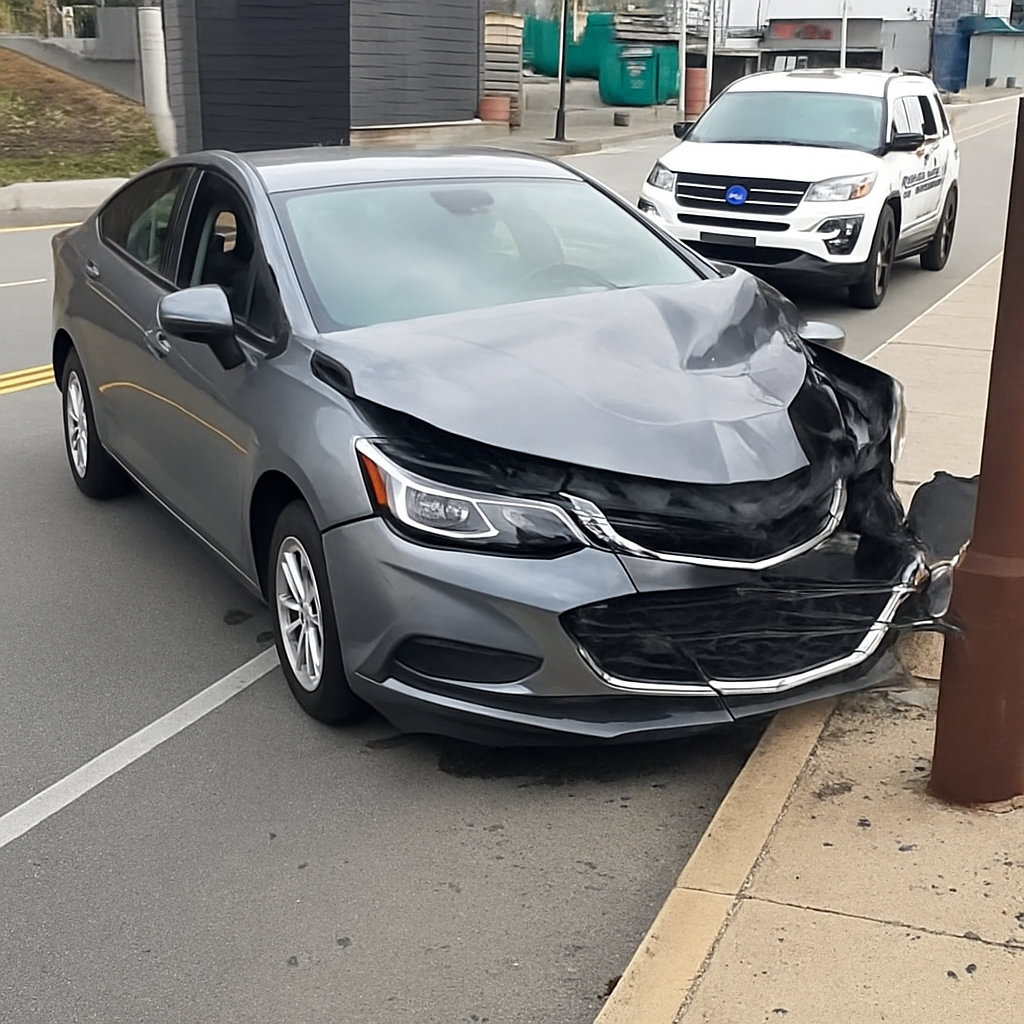
If you have points from speeding tickets, at-fault accidents, or moving violations in Hialeah, your insurance rates likely jumped 20–50%. Here's the realistic timeline for getting them back down and which actions actually move the needle.
How Points Violations Impact Insurance Rates in Hialeah
Florida uses a point system where violations stay on your DMV record for 3 years from the conviction date, but insurance carriers look back further — typically 5 years for major violations. A single speeding ticket (3–4 points) raises premiums by an average of 20–30% in Miami-Dade County. An at-fault accident adds 40–50% to your rate. Two or more violations in 36 months often push you into non-standard territory, where rates can double.
Hialeah drivers face higher baseline premiums than most Florida cities — the metro Miami area averages $2,800–$3,400 annually for full coverage with a clean record. Add points, and you're looking at $3,500–$5,000+ per year depending on your violation mix. The gap between carriers widens dramatically once you have points: the difference between the most and least expensive insurer for the same driver with violations can exceed $2,000 annually.
Florida does not require SR-22 for standard point violations like speeding, failure to yield, or most at-fault accidents. SR-22 triggers in Florida only for specific situations: DUI, driving without insurance, repeat serious violations within 36 months, or license suspension for accumulating 12+ points. If you got a ticket or had an accident but your license remains valid and you weren't cited for no insurance, you do not need SR-22 — you need a carrier willing to write non-standard auto at a competitive rate. Florida's SR-22 requirements non-standard auto insurance
Florida's Point System and the Suspension Threshold
Florida suspends your license if you accumulate 12 points within 12 months, 18 points within 18 months, or 24 points within 36 months. Common violations: speeding 15 mph or less over the limit is 3 points, speeding 16+ mph over is 4 points, running a red light is 4 points, careless driving is 3 points, at-fault accidents resulting in bodily injury are 6 points. Points remain on your record for 3 years but only count toward suspension thresholds within the rolling windows above.
Most Hialeah drivers with one or two tickets sit in the 3–8 point range — enough to spike insurance rates but not enough to trigger suspension. If you're near the 12-point threshold, Florida allows you to elect a Basic Driver Improvement (BDI) course once every 12 months to remove up to 4 points. The course does not erase the violation from your record — insurers still see it — but it prevents suspension and can reduce rate increases with some carriers who factor point totals into pricing.
Points fall off your record exactly 3 years from the conviction date, not the citation date. If you were convicted on May 15, 2022, those points drop on May 15, 2025. Your insurance rate does not automatically adjust the day points expire — you need to shop and re-quote once the violation ages past the 36-month mark to capture the rate drop.
Rate Recovery Timeline: What to Expect Month by Month
Insurance carriers weight violations on a sliding scale: the impact is heaviest in the first 12 months, moderates between months 12–36, and drops significantly after 36 months. For a typical speeding ticket in Hialeah, expect the rate penalty to persist at full strength for the first year, decline by 25–40% in year two, and drop by another 30–50% in year three. By month 37, most standard carriers no longer surcharge the violation.
An at-fault accident follows a longer curve. Full surcharge for 24 months, partial surcharge through month 48, and minor impact through month 60. If the accident involved a payout over $2,000, some carriers extend the lookback to 5 years even though Florida's DMV record clears at 3 years. This is why carrier shopping matters: not all insurers use the same lookback windows or surcharge schedules.
Here's the realistic recovery path for a Hialeah driver with one speeding ticket (4 points) who was paying $240/month before the violation: Month 0–12: $310–330/month. Month 13–24: $280–300/month. Month 25–36: $260–275/month. Month 37+: $240–250/month. The fastest recovery happens when you shop at the 12-month mark and again at 36 months — different carriers re-tier your risk at different intervals, and loyalty does not pay once you have points.
Which Carriers Write Drivers With Points in Hialeah
Not all carriers treat points violations equally. Standard carriers like State Farm, Geico, and Progressive will keep you if you have one minor violation, but their surcharges are steep — often 25–40% for a single speeding ticket. After two violations or one major violation (reckless driving, DUI, at-fault with injury), many standard carriers non-renew you or decline to quote.
Non-standard specialists operating in Miami-Dade include Dairyland, The General, Acceptance, and Direct Auto. These carriers expect violations and price accordingly — their baseline rates are higher than standard market, but their surcharges for additional violations are lower. If you have 2+ tickets or one accident plus one ticket, a non-standard carrier often delivers a lower total premium than a standard carrier with heavy surcharges.
Florida also has a robust regional and independent agency market. Carriers like United Auto, Floridian, and Tower Hill write non-standard auto but rarely quote online — you need to contact an independent agent who represents them. These carriers can be 15–30% cheaper than national non-standard options for Hialeah drivers with moderate violation histories. The catch: you lose the convenience of online policy management and may face higher fees for payment plans or policy changes.
Actions That Accelerate Rate Recovery in Florida
Complete a Florida-approved Basic Driver Improvement course. This removes up to 4 points from your total for suspension purposes and earns you a discount with most carriers — typically 5–10% off your base premium. The discount persists for 3 years, and you can retake the course once every 12 months. The course costs $25–$40 online and takes about 4 hours. Every major carrier honors the discount, though some require you to submit the completion certificate manually.
Shop your policy every 12 months once you have points. Loyalty pricing penalizes drivers with violations more than clean-record drivers. Carriers re-evaluate your risk tier annually, but not all adjust at the same time — one insurer may drop your surcharge at 24 months while another holds it until 36 months. Comparing quotes at months 12, 24, and 36 captures these timing differences and can save you $600–$1,200 annually.
Avoid accumulating additional points during the 3-year recovery window. A second violation resets the clock on rate recovery and often triggers exponential increases rather than additive ones. Two 4-point speeding tickets don't double your surcharge — they triple or quadruple it, because carriers classify you as a habitual violator rather than an isolated risk. If you're cited again, contest the ticket or hire a traffic attorney to negotiate a non-moving violation — the legal fee is almost always cheaper than the insurance penalty.
What Hialeah Drivers Should Do Right Now
If your rates jumped after a violation, get quotes from at least three carriers immediately — one standard, one non-standard, and one independent agent representing regional carriers. Your current insurer's surcharge is not the market rate. Many drivers overpay by $1,000+ annually simply because they didn't shop after a violation.
Check your Florida DMV record to confirm your exact point total and conviction dates. You can order your driving record online through the Florida Department of Highway Safety and Motor Vehicles for $10. Insurers pull this report when you quote, and errors happen — disputed tickets, incorrect conviction dates, or points that should have expired but didn't. Correcting these before you shop prevents inflated quotes.
If you're close to the 12-point threshold or already suspended, prioritize reinstatement before shopping for insurance. A lapsed license adds another surcharge on top of your violation penalties and limits which carriers will write you. Florida requires you to pay reinstatement fees, complete any court-ordered requirements, and file proof of insurance (not SR-22 unless specifically required) before the DMV restores your license. Once reinstated, shop immediately — your rate is highest in the first 30 days after reinstatement, and locking in coverage prevents a lapse that would reset the compliance clock. compare high-risk quotes