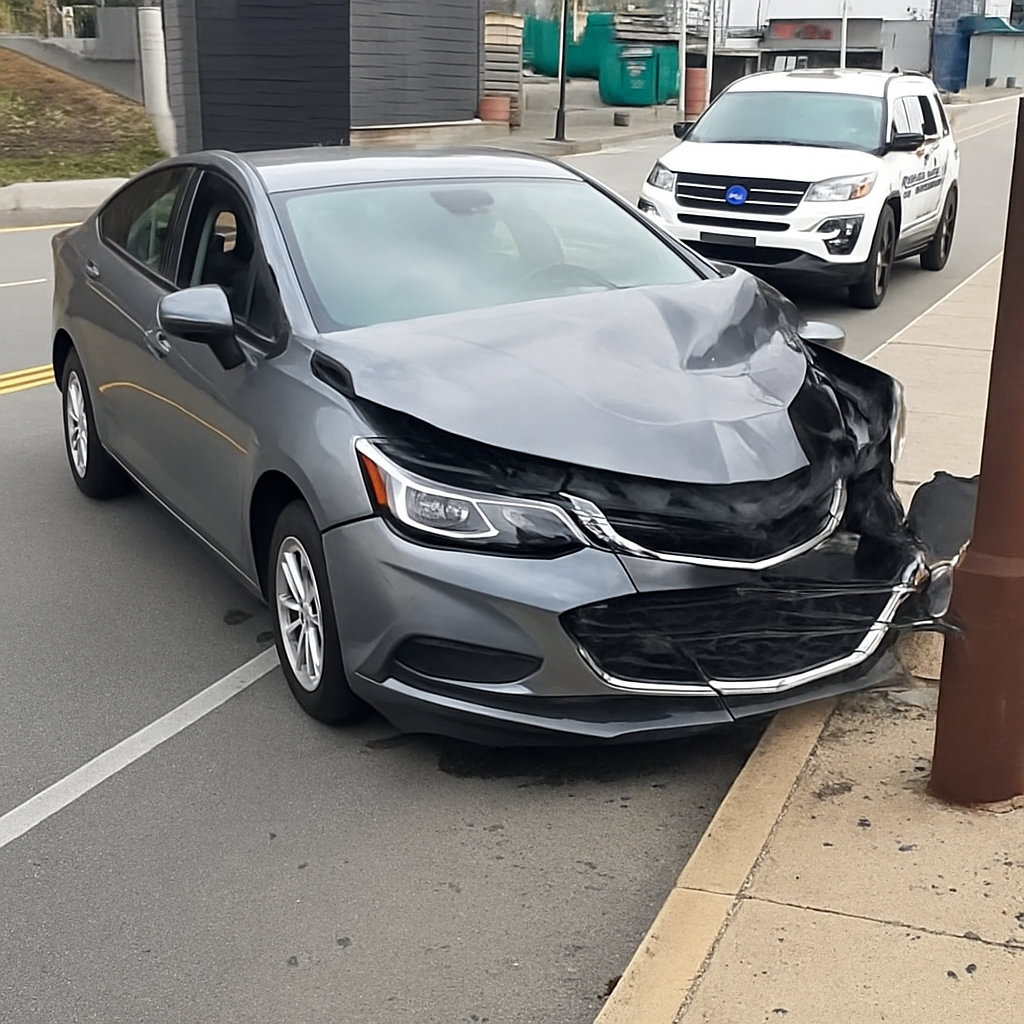
Houston drivers with points from speeding tickets, at-fault accidents, or moving violations typically see rate increases of 20–50% per violation. Here's the timeline for recovery and what you can do now to bring premiums down faster.
What Violations Cost Houston Drivers in Premium Increases
A single speeding ticket in Houston typically raises your insurance premium by 20–30%, while an at-fault accident can trigger a 40–50% increase. If you accumulated multiple violations within a short period, those rate increases compound — two speeding tickets and an at-fault accident could double your premium or push you into the non-standard market entirely. Texas uses a point system where speeding tickets add 2 points and at-fault accidents add 2 points, but the insurance rate impact is separate from the point total and varies significantly by carrier.
Houston-based insurers don't all treat violations the same way. Some carriers specialize in non-standard risk and price violations less aggressively than standard carriers who reserve their best rates for clean records. A speeding ticket might cost you $40/month more with one carrier and $80/month more with another, even if both are quoting the same coverage limits. This carrier-to-carrier variance is why shopping around after a violation is the single highest-leverage action available to you right now — it typically produces larger savings than any other single step in the recovery process.
Most violations in Texas do not trigger SR-22 filing requirements. Speeding tickets, at-fault accidents, and standard moving violations raise your rates but do not require SR-22 unless they resulted in license suspension, a DUI, or a serious citation like reckless driving. If you're carrying points from routine violations, you're dealing with a rate problem, not a compliance problem, and your options are broader than drivers who need SR-22. non-standard auto insurance
Texas Point System and How Long Violations Stay on Your Record
Texas assigns points for moving violations: 2 points for most citations including speeding and at-fault accidents, and 3 points for violations that result in a crash. Points remain on your Texas driving record for 3 years from the conviction date. Once you accumulate 6 points within 3 years, you'll receive a warning letter; at 8 or more points, you may face license suspension and be required to pay surcharges under the Driver Responsibility Program.
But here's what most Houston drivers miss: insurance companies look back 3–5 years depending on the carrier, not just the 3-year period used by the Texas DMV. Some insurers will rate you based on violations from the past 5 years even if those violations no longer carry points on your official driving record. This means your rate recovery timeline is controlled by the carrier's lookback period, not just the state's point expiration schedule.
This is why shopping carriers by lookback period matters. If you had a violation 4 years ago, a carrier with a 3-year lookback won't count it when calculating your premium, but a carrier with a 5-year lookback will. Knowing which carriers use shorter lookback periods gives you access to lower rates before your violations age off completely. Non-standard carriers often use shorter lookbacks because they're already pricing for imperfect records and focus more on recent driving behavior. Texas SR-22 requirements
Rate Recovery Timeline: What to Expect After a Violation in Houston
Your premium will typically peak immediately after the violation is reported to your insurer, then gradually decline over the next 3–5 years. Most carriers apply the steepest surcharge in the first year, then reduce it incrementally at each renewal as the violation ages. A speeding ticket that cost you an extra $50/month in year one might cost $35/month in year two and $20/month in year three before falling off entirely.
The recovery timeline varies by violation severity. Minor speeding tickets (under 15 mph over the limit) usually stop affecting your rate after 3 years with most carriers. At-fault accidents and major violations like reckless driving citations may affect your rate for 5 years with some insurers. DUIs and suspensions carry the longest lookback periods, often 5–7 years, but those violations also trigger SR-22 requirements and move you into a different insurance category entirely.
You can accelerate rate recovery by completing a Texas-approved defensive driving course. Texas allows one defensive driving dismissal every 12 months, which can remove a ticket from your record before it affects your insurance — but only if you complete the course within the timeframe ordered by the court. If the ticket is already on your record, defensive driving won't remove it retroactively, but some insurers offer a 5–10% discount for voluntary course completion. The discount is small, but it stacks with other rate reduction strategies and signals to underwriters that you're actively working to improve your driving profile.
Which Houston Carriers Write Drivers with Points
Not all carriers will insure drivers with multiple violations, and those that do price violations very differently. Standard carriers like State Farm and Allstate typically offer the best rates for clean records but apply heavy surcharges for violations. Non-standard carriers like The General, Acceptance, and Direct Auto specialize in imperfect records and often quote lower rates than standard carriers once you have 2 or more violations on file.
In Houston specifically, regional carriers like Titan and Redpoint County Mutual write non-standard risk and may offer competitive rates if you've been pushed out of the standard market. These carriers focus on drivers with points, lapses, or at-fault accidents and price violations less aggressively because their entire book of business is non-standard. The tradeoff is that customer service and claims handling may be less polished than with a national standard carrier, but the monthly savings are often significant — $50–$150/month compared to staying with a standard carrier that's surcharging you heavily.
Shopping around every 6–12 months is critical for drivers with violations. As your violations age, different carriers will become competitive at different points in the timeline. A carrier that quoted you $250/month immediately after your violation might quote $180/month two years later, while a different carrier that was expensive at first might now be cheapest. Rate recovery is not a passive process — you have to actively shop to capture the savings as they become available.
Actions That Lower Rates Faster for Houston Drivers with Points
Beyond shopping carriers, several proactive steps can reduce your premium while you wait for violations to age off. Increasing your deductible from $500 to $1,000 typically reduces your premium by 10–15%, which offsets part of the violation surcharge. Dropping collision and comprehensive coverage on older vehicles (worth under $3,000) eliminates the most expensive parts of your policy and makes sense if you can afford to replace the car out of pocket.
Bundling your auto policy with renters or homeowners insurance can save 10–20% on the auto portion, and this discount applies even if you have violations on your record. Some Houston drivers save more from bundling than they lose from a single speeding ticket surcharge. Similarly, pay-in-full discounts (5–10%) and paperless billing discounts (2–5%) are small individually but stack together and reduce your effective monthly cost.
Usage-based insurance programs like Snapshot, Drivewise, or SmartMiles allow you to earn discounts based on current driving behavior rather than past violations. If you drive fewer miles or avoid hard braking and late-night trips, you can earn 10–30% off your premium even with points on your record. These programs are particularly effective for Houston drivers with violations because they give you a way to prove you're a lower risk now, regardless of what's in your history. Not all carriers offer telematics discounts to drivers with multiple violations, but those that do are worth prioritizing when you shop.
When SR-22 Filing Enters the Picture in Texas
Most violations do not require SR-22 filing in Texas. Speeding tickets, at-fault accidents, and standard moving violations raise your rates but do not trigger SR-22 unless they resulted in license suspension. SR-22 is required in Texas for DUI convictions, driving without insurance, repeated violations that result in license suspension, or at-fault accidents while uninsured.
If you do need SR-22, the filing itself costs $15–$25 in Texas and your insurer submits it electronically to the Texas DMV on your behalf. The filing requirement typically lasts 2 years from the reinstatement date, but the rate impact is much larger than the filing fee — SR-22 signals high risk to insurers and often moves you into the non-standard market even if your underlying violation was minor. The good news is that SR-22 status is temporary, and once the filing period ends and you maintain continuous coverage, you can return to the standard market.
If you're not sure whether you need SR-22, check any court orders, suspension notices, or DMV correspondence you received. The requirement will be stated explicitly. If you were never suspended and didn't receive a notice requiring SR-22, you don't need it — and you shouldn't request it, because filing SR-22 unnecessarily can raise your rates. For most Houston drivers with points from routine violations, SR-22 is not part of the equation and the focus should remain on shopping carriers and accelerating rate recovery through the strategies covered above. SR-22 insurance