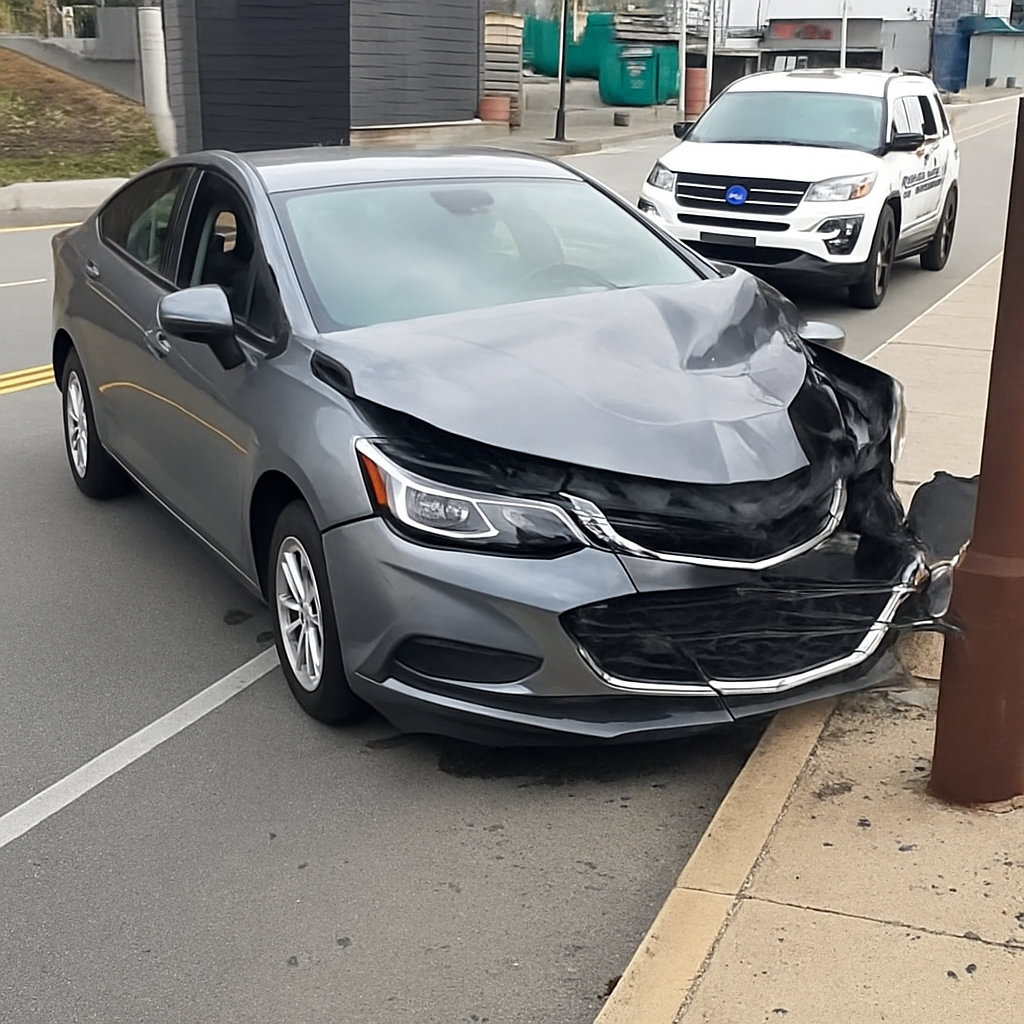
Nebraska's point system keeps violations on your record for 5 years, but your rates don't have to stay elevated that long. Lincoln drivers with tickets or at-fault accidents can start lowering premiums within 6–12 months if they know which carriers re-rate for violation recovery.
Nebraska's Point System and How Long Violations Stay on Your Record
Nebraska assigns points for moving violations and keeps them on your driving record for 5 years from the date of conviction, not the date of the violation. A speeding ticket 1–10 mph over the limit adds 1 point, 11–15 mph over adds 2 points, and 16+ mph over adds 3 points. At-fault accidents add 1 point. The state threshold for license suspension is 12 points in any 2-year period, but your insurance rates react long before you reach that threshold.
Most Lincoln drivers with 1–3 points are not at risk of suspension, but they are at risk of premium increases ranging from 20% to 40% depending on the severity of the violation and how long ago their last clean period was. Carriers view your record differently: some pull 3 years of history, others pull 5 years, and a handful pull 7 years for underwriting. This mismatch between state record retention and carrier rating windows is where recovery opportunity lives.
Nebraska does not require SR-22 filing for standard point violations like speeding tickets or single at-fault accidents. SR-22 is reserved for DUI convictions, driving without insurance, license suspensions, or accumulating 12+ points. If you have a few points but no SR-22 requirement, you are in the non-standard tier — not the high-risk tier — and that distinction opens up more carrier options and faster rate recovery paths. Nebraska's SR-22 requirements and filing rules
When Lincoln Carriers Start Lowering Your Rates After a Violation
Most national carriers re-rate drivers on a 3-year lookback window, meaning a violation from June 2022 stops affecting your premium at renewal in June 2025 — even though Nebraska keeps that point on your record until June 2027. This creates a 2-year gap where you're still marked by the state but no longer penalized by most insurers. If you haven't shopped for quotes in that window, you're likely overpaying.
Carriers that specialize in non-standard auto insurance often re-rate even faster. Progressive, Dairyland, and National General typically begin reducing surcharges after 12–18 months if no new violations appear. State Farm and Nationwide tend to hold surcharges for the full 3 years. The difference in timeline can cost Lincoln drivers $400–$800 annually depending on the violation type and coverage limits.
The first 6 months after a violation are the most expensive. Rate increases peak immediately after the conviction posts to your record, then stabilize. Between months 6 and 12, some non-standard carriers offer "step-down" pricing for drivers who complete a defensive driving course or maintain continuous coverage. After 24 months, your violation is considered "aging" and most carriers will quote you competitively if you shop around. Waiting until month 60 when the point officially falls off means you've paid elevated rates for 2 unnecessary years. liability insurance
Which Carriers in Lincoln Write Drivers with Points and How to Compare Them
Lincoln drivers with 1–4 points on their record typically have access to 8–12 carriers willing to write coverage, but pricing spread between the cheapest and most expensive option can exceed 100%. Standard carriers like State Farm, Farmers, and Allstate will still write you, but they apply rigid surcharge schedules that don't soften until the 3-year mark. Non-standard carriers like Progressive, Dairyland, The General, and Bristol West specialize in violation recovery and often offer better pricing within the first 24 months.
If you have a single speeding ticket (1–3 points), expect quotes to range from $110/mo to $240/mo for state minimum liability in Lincoln, depending on carrier, age, and coverage history. Drivers with 4–6 points from multiple violations or an at-fault accident see ranges from $180/mo to $350/mo. The lowest quote is almost never from your current carrier — rate loyalty does not apply when you have points.
Carriers that re-rate favorably for violation recovery in Nebraska include Progressive (re-rates at 18 months with no new violations), Dairyland (offers good driver discount eligibility after 24 months), and National General (uses tiered pricing based on time since violation). Bristol West and The General are fallback options if you have 6+ points or a suspension in your recent history, but their pricing is rarely competitive once you drop below 4 points. Shopping every 6–12 months during your recovery period is the single highest-leverage action you can take to lower premiums.
Defensive Driving Courses and Point Reduction in Nebraska
Nebraska does not offer a formal point reduction program through defensive driving courses, meaning you cannot remove points from your DMV record by completing a course. However, most carriers in Lincoln offer premium discounts of 5%–15% for drivers who complete an approved defensive driving or driver improvement course, even if the points remain on your record. This discount typically lasts 3 years and can offset a portion of the violation surcharge.
Approved courses in Nebraska must be at least 4 hours long and certified by the state DMV or a recognized provider like the National Safety Council or AAA. Courses cost $25–$75 and can be completed online. The discount applies at your next renewal, not retroactively, so completing the course immediately after a violation maximizes the benefit. If you have multiple violations, the discount applies to your overall premium, not per violation, so the savings are fixed regardless of point count.
Some carriers, including State Farm and Allstate, require you to request the discount explicitly — it is not automatically applied when you complete the course. You'll need to provide a certificate of completion to your agent or insurer. Non-standard carriers like Progressive and Dairyland often apply the discount automatically if the course completion is reported to the Nebraska DMV, but confirming eligibility before enrolling ensures you're not paying for a course that won't reduce your premium with your current carrier.
Timeline for Full Rate Recovery and What to Expect Each Year
Full rate recovery after a violation in Lincoln follows a predictable arc if you manage it actively. In Year 1, your rates are at their highest — expect to pay 25%–50% more than your pre-violation premium depending on the severity. Your primary goal is to avoid new violations and maintain continuous coverage, as lapses will reset your recovery timeline and trigger non-standard surcharges on top of violation surcharges.
In Year 2, most non-standard carriers begin re-rating your risk. If you've had no new violations, completed a defensive driving course, and shopped for quotes, you can reduce your premium by 15%–25% compared to Year 1. This is when carrier shopping pays off most — the gap between standard and non-standard pricing narrows, and you may find competitive quotes from carriers that wouldn't write you 12 months earlier.
By Year 3, your violation is aging out of most carriers' lookback windows. Rates typically return to within 10%–15% of your pre-violation baseline if you've maintained a clean record since. At the 36-month mark, you should re-shop aggressively — standard carriers that surcharged you heavily in Year 1 will now quote you closer to preferred rates. By Year 5, when the point officially falls off your Nebraska record, your rates should be fully normalized assuming no new violations. Drivers who do not shop during the 24–36 month window often overpay by $1,200–$2,400 cumulatively compared to those who switch carriers at the right time.
What Lincoln Drivers Should Do Right Now to Start Lowering Premiums
If you have points on your record and haven't shopped for quotes in the last 6 months, that is your first action. Request quotes from at least 3 carriers that specialize in non-standard auto insurance — Progressive, Dairyland, and National General are the best starting points for Lincoln drivers with 1–6 points. Provide accurate violation dates and details; underquoting your risk to get a lower initial premium will result in rescission or non-renewal when the carrier pulls your MVR.
Enroll in a Nebraska-approved defensive driving course within 30 days of your violation conviction. Even though it won't remove points, the premium discount typically offsets the course cost within 3–6 months, and it signals to insurers that you're managing your risk. Make sure your current carrier applies the discount at your next renewal, and if they don't offer one, use that as leverage when shopping.
Set a calendar reminder to re-shop at the 12-month, 24-month, and 36-month marks after your violation. Carrier pricing changes as your violation ages, and the best quote at month 6 is rarely the best quote at month 18. Lincoln drivers who shop only once after a violation miss the re-rating windows and pay an average of $600–$1,000 more per year than those who shop strategically. Your violation timeline is predictable — your recovery strategy should be, too.