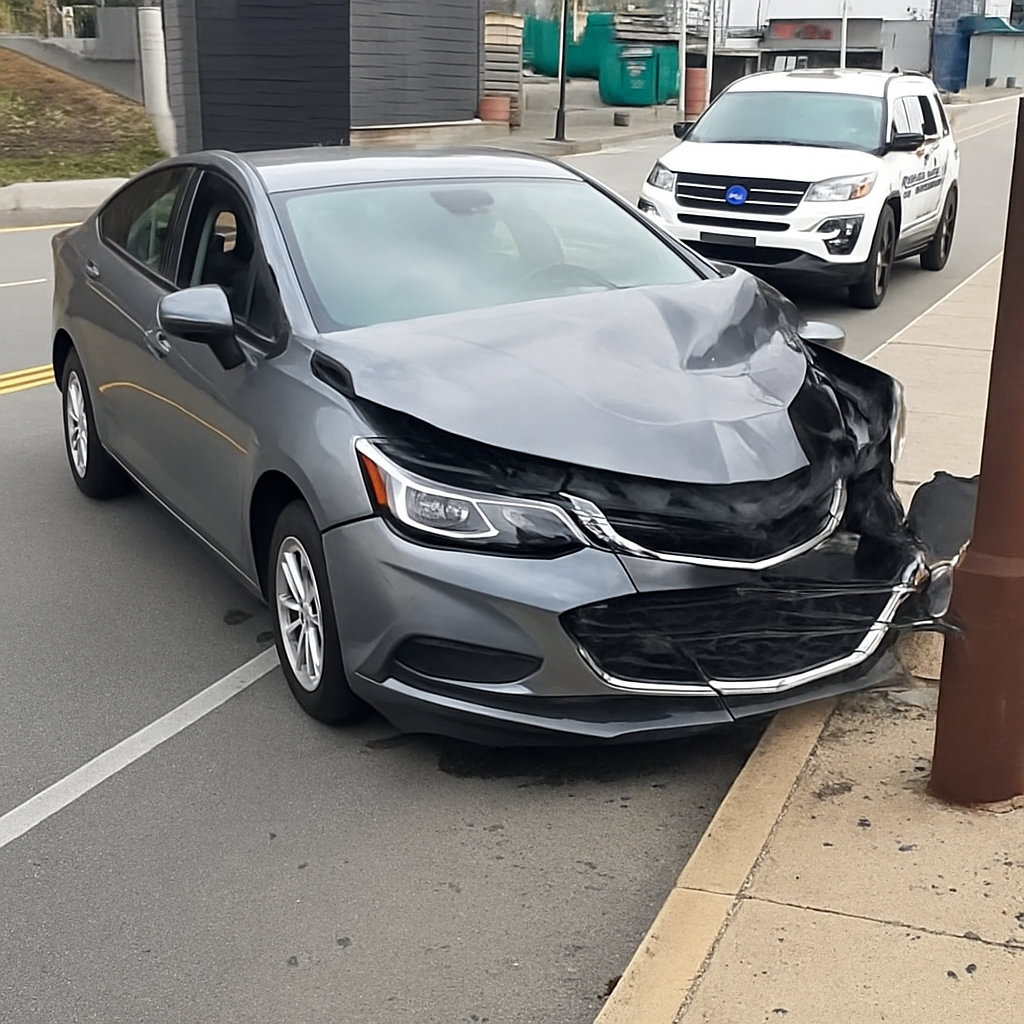
You got a ticket or had an at-fault accident in Santa Ana, and now your rate went up. Here's the realistic timeline for getting your premium back down — and which actions actually accelerate recovery.
How California's Point System Affects Your Santa Ana Insurance Rate
California assigns 1 point for most moving violations like speeding or running a red light, and 2 points for more serious offenses like reckless driving or a DUI. If you accumulate 4 points in 12 months, 6 points in 24 months, or 8 points in 36 months, the DMV suspends your license. Most Santa Ana drivers with violations are nowhere near that threshold — they have 1 or 2 points from a ticket or at-fault accident and are dealing with the insurance consequences, not a legal compliance crisis.
Your insurer sees the violation itself, not just the points. A speeding ticket stays on your California driving record for 3 years from the violation date for DMV purposes, but insurers can see it for up to 10 years under California Insurance Code Section 1861.02. That gap matters: even after the DMV point falls off, your current carrier may still rate you on the underlying violation. Switching carriers after your DMV record clears often results in a lower rate because the new insurer may not pull the full 10-year history or may weight older violations less heavily.
Rate increases vary by violation type and carrier. A single speeding ticket typically raises your premium 20–30%. An at-fault accident with a claim can increase rates 40–60%. A reckless driving conviction can double your rate. These are averages — Santa Ana drivers with the same violation see wildly different increases depending on their carrier, which is why shopping around after a violation is not optional. California SR-22 requirements
The Real Timeline: When Your Rate Actually Drops
Most carriers apply the steepest surcharge in the first 12–24 months after a violation, then gradually reduce it. If you stay with your current carrier and have no additional violations, expect your rate to drop 10–15% at your first renewal after the 12-month mark, with further reductions at 24 and 36 months. Full rate recovery — meaning you're back to what you would pay with a clean record — typically occurs 3–5 years after the violation date if you remain claims-free and violation-free during that period.
That timeline assumes you stay with the same carrier. If you switch insurers after your DMV point falls off (3 years for most violations, 10 years for a DUI), the new carrier may offer you a clean-record or near-clean rate immediately because they either don't pull the full 10-year history or they don't surcharge violations older than 3 years. This is especially true for drivers who moved from a high-risk carrier to a standard carrier. The rate improvement from switching can be 30–50% compared to staying with your current insurer for the full recovery period.
SR-22 requirements complicate this timeline but apply to very few drivers in this audience. California requires SR-22 for DUI convictions, reckless driving in some cases, driving without insurance, and license suspensions — not for standard speeding tickets or at-fault accidents. If you do need SR-22, you'll file it for 3 years from the date the DMV requires it, and most carriers add $10–$25/month to your premium for the filing itself. The violation surcharge is separate and much larger.
Which Carriers Write Santa Ana Drivers With Points
After a violation, your carrier options depend on how many points you have and whether your license was suspended. One moving violation or at-fault accident usually keeps you eligible for standard carriers like State Farm, Geico, Progressive, and Allstate, though your rate will be higher. Two or more violations within 3 years, or a serious offense like reckless driving, often pushes you into non-standard territory: carriers like Bristol West, Infinity, Acceptance, and Direct Auto specialize in drivers with multiple violations and compete aggressively on price for this segment.
Santa Ana drivers with points should get quotes from at least three carriers in each category — standard and non-standard. A standard carrier may keep you on file at a high rate while a non-standard carrier offers 30–40% less. The inverse can also be true: some drivers with a single ticket get a better rate from their current standard carrier than they would by switching to a non-standard option. The only way to know is to compare both.
Avoid the trap of assuming your current carrier is giving you the best available rate just because they didn't drop you. Carriers re-evaluate risk differently. One insurer may surcharge a speeding ticket 25% while another surcharges the same ticket 45%. That variance is normal and it's why shopping after a violation saves more money than any other single action you can take. non-standard auto insurance SR-22 insurance
Actions That Actually Speed Up Rate Recovery in California
California allows drivers to mask one eligible point every 18 months by completing a DMV-licensed traffic school within 18 months of the violation. The point doesn't appear on your public driving record, which means it won't count toward the suspension threshold — but your insurer still sees the conviction itself. Some carriers reduce or eliminate the surcharge if you complete traffic school; others don't. Call your insurer before enrolling to confirm whether it affects your rate. The course costs $20–$50 and takes 8 hours online.
Maintaining continuous coverage without lapses is the second most important factor in rate recovery. A coverage lapse of 30 days or more in California can trigger an additional 20–30% surcharge on top of your violation surcharge, and that lapse surcharge persists for 3 years. If you can't afford your current premium, downgrade to state minimum liability ($15,000/$30,000/$5,000 in California) rather than letting your policy cancel. You can always increase coverage later.
Shopping your rate every 6–12 months becomes non-negotiable after a violation. Carriers adjust their risk appetite and pricing models constantly. A carrier that quoted you 40% higher than your current insurer six months ago may now be competitive. Set a calendar reminder to re-quote at every renewal, and expect to switch carriers at least once during your recovery period. Loyalty to a carrier that surcharged you heavily makes no financial sense.
What SR-22 Means for Santa Ana Drivers (If You Need It)
SR-22 is not insurance — it's a certificate your insurer files with the California DMV proving you carry at least state minimum liability coverage. The DMV requires SR-22 after a DUI, a conviction for driving without insurance, an at-fault accident while uninsured, or a suspension for too many points. Most Santa Ana drivers with one or two moving violations do not need SR-22 — it's required only for specific serious offenses or administrative actions, not for routine speeding tickets or at-fault accidents with active insurance.
If you do need SR-22, California requires you to maintain it for 3 years from the date the DMV mandates it. Your insurer files it electronically and charges $10–$25/month for the filing. If your policy lapses or cancels during the 3-year period, your insurer notifies the DMV and your license is suspended immediately. You'll need to get new coverage, refile SR-22, and pay a $55 reinstatement fee to the DMV. The violation surcharge is separate — the SR-22 filing fee is administrative, not punitive.
Not all carriers file SR-22 in California, but most non-standard carriers do. Progressive, Bristol West, Infinity, Acceptance, and Direct Auto all file SR-22. If your current carrier doesn't, you'll need to switch. Compare quotes from multiple SR-22-friendly carriers — rates vary by 40% or more even when coverage and filing requirements are identical.
When to Expect Your Santa Ana Rate to Normalize
The most realistic baseline: if you have one moving violation and stay claims-free, expect your rate to return to near pre-violation levels 36–48 months after the violation date if you remain with your current carrier. If you shop aggressively and switch carriers after your DMV point falls off at the 3-year mark, you can often recover your clean-record rate immediately with the new insurer.
Two or more violations extend that timeline to 5–7 years with your current carrier, but switching after points fall off can still cut that recovery period in half. Drivers with DUI convictions face the longest recovery: 7–10 years to return to standard rates with most carriers, though some non-standard carriers offer competitive pricing within 3–5 years if you remain violation-free.
The single most common mistake Santa Ana drivers make is waiting passively for their rate to drop with their current carrier. That strategy costs you thousands of dollars over the recovery period. Treat shopping as a mandatory annual task, not something you do only when desperate. Your current carrier has no obligation to lower your rate just because time has passed — they lower it when competition forces them to, or you leave.