Seattle drivers with points face some of the highest insurance premiums in Washington — but rates drop predictably as violations age off your abstract. Here's the exact timeline and the moves that accelerate recovery.
Washington Point System and Insurance Impact Timeline
Washington uses a point system that assigns 1–3 points per moving violation, with license suspension triggered at 6 points in 12 months or 7 points in 24 months. Points remain on your driving abstract for 3 years from the violation date, but insurance carriers typically rate violations for 5 years — meaning your violation may be invisible to the Department of Licensing but still visible to your insurer.
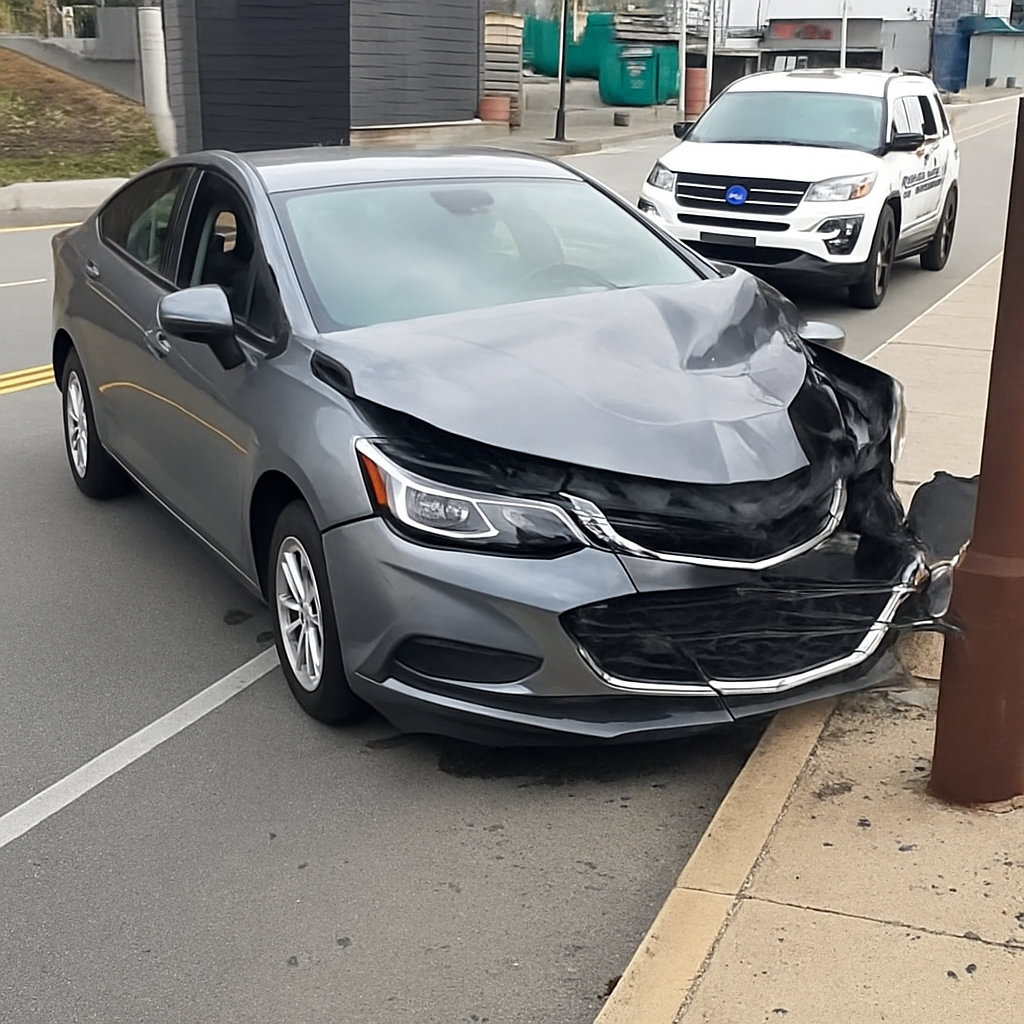
A single speeding ticket in Seattle typically increases premiums by 20–40% depending on speed and carrier. At-fault accidents trigger 30–60% increases. Multiple violations within 24 months can double or triple your baseline rate. These increases persist until the violation reaches the 3-year mark for most carriers, then phase out completely by year 5.
Seattle's urban density and collision frequency amplify these increases. King County had over 22,000 reportable collisions in 2022, and Seattle metro drivers pay an average of $1,850/year for full coverage — 28% above the Washington state average. Adding a violation to that baseline pushes many drivers into the $2,400–$3,200/year range. Washington SR-22 requirements
When Points Drop Off Your Record in Washington
Washington removes points from your abstract 3 years from the violation date, not the conviction date or payment date. If you received a speeding ticket on June 10, 2022, those points disappear on June 10, 2025, regardless of when you paid the fine or attended court. This is critical for license suspension risk — once points age off, they no longer count toward the 6-point threshold.
Insurance carriers, however, operate on their own timelines. Most standard carriers rate violations for 5 years. Some non-standard carriers weigh violations heavily for the first 3 years, then apply reduced surcharges through year 5. Progressive and GEICO typically reduce surcharges after 36 months; State Farm and Allstate often maintain partial surcharges through the 60-month mark.
You can request a copy of your driving abstract from the Washington Department of Licensing to confirm exactly when your violations will age off. The cost is $13 for a certified copy. This abstract is what carriers see when they pull your record during renewal or when you shop for new coverage. non-standard auto insurance
Which Actions Lower Rates Fastest After a Violation
The single highest-leverage action for Seattle drivers with points is shopping across carriers — rate spreads between the most expensive and least expensive non-standard carrier can exceed $1,200/year for the same driver and coverage. PEMCO, a regional carrier serving Washington, often offers better rates than national carriers for drivers with one or two violations. Progressive and Dairyland also specialize in non-standard risk and regularly compete for this segment in King County.
Completing a Washington State-approved defensive driving course can remove up to one ticket from your abstract if you haven't taken the course in the last 7 years. This does not erase the conviction, but it prevents the point from counting toward suspension. Some carriers also offer premium reductions of 5–10% for course completion, though this varies by insurer and is not guaranteed.
Increasing your deductible from $500 to $1,000 typically reduces premiums by 8–12%. Bundling auto with renters or homeowners insurance saves 10–20% with most carriers. Paying your six-month premium in full eliminates installment fees, which can add $40–$80/year. These moves stack — applying all three can reduce your annual cost by $300–$500 even before your violation ages off.
Rate Recovery Timeline by Violation Type
Speeding tickets 10–19 mph over the limit typically trigger a 20–30% rate increase that begins phasing out after 36 months. Most drivers see premiums drop to within 10% of their baseline rate by month 48, then normalize fully by month 60. Speeding 20+ mph over or reckless driving citations carry steeper increases — 40–70% — and take the full 5 years to clear in most cases.
At-fault accidents follow a similar curve but with higher initial increases. A first at-fault accident raises rates by 30–50% on average, with peak impact in the first 12 months. By month 36, most carriers reduce the surcharge by 30–50%. Full normalization occurs at the 5-year mark unless you accumulate additional violations or claims during that period.
DUI convictions and negligent driving in the first degree are outliers — both typically require SR-22 filing in Washington, and rate increases range from 80–150% for the first 3 years. SR-22 filing itself adds $20–$50/year in processing fees, but the primary cost is the violation surcharge. Most carriers do not accept drivers with DUI convictions for the first 2–3 years, forcing placement with non-standard carriers like Progressive, Dairyland, or The General. After 5 years with no new violations, standard market options reopen.
Seattle-Specific Insurance Market Dynamics
Seattle drivers with violations have fewer carrier options than the state average because several regional insurers restrict underwriting in King County due to claim frequency and repair costs. PEMCO, Mutual of Enumclaw, and Grange are the three largest regional carriers serving Washington, but all three apply stricter underwriting criteria in Seattle metro zip codes — typically limiting coverage to drivers with one or fewer violations in the past 36 months.
National non-standard carriers like Progressive, GEICO, and Dairyland write heavily in Seattle and compete aggressively for drivers with points. Rate differences between these carriers can exceed $800/year for identical coverage, which makes shopping essential. Progressive's Snapshot program offers usage-based discounts that can offset 10–30% of a violation surcharge if you drive low miles or avoid hard braking events.
Seattle's high cost of living and vehicle repair costs amplify base premiums, which means surcharges are applied to a higher baseline. A 30% increase on a $1,200/year policy costs $360; the same percentage on a $2,000/year Seattle policy costs $600. This makes deductible adjustments and coverage optimization more impactful for Seattle drivers than for those in lower-cost counties.
Do You Need SR-22 Filing in Washington After a Violation?
Most point violations in Washington do not require SR-22 filing. Speeding tickets, following too closely, failure to yield, and similar moving violations result in points on your abstract but no SR-22 requirement. You only need SR-22 if the Department of Licensing suspends or revokes your license, or if a court orders it as part of a conviction.
Common violations that trigger SR-22 in Washington include DUI, physical control of a vehicle while intoxicated, reckless driving (in some cases), negligent driving in the first degree, driving while license suspended, and accumulating too many violations within a short period resulting in a suspension. If you receive a suspension notice from the DOL, it will explicitly state whether SR-22 filing is required and for how long — typically 3 years from the date of reinstatement.
SR-22 is a certificate of financial responsibility that your insurer files with the state to prove you carry the minimum liability coverage Washington requires: 25/50/10. The filing itself costs $20–$50, but the associated rate increases are substantial because SR-22 signals high-risk status to carriers. If you are unsure whether your violation requires SR-22, check your suspension notice or contact the Department of Licensing directly at (360) 902-3900. SR-22 insurance coverage
What Happens at the 3-Year and 5-Year Marks
At the 3-year mark, your violation drops off your Washington driving abstract. This means the Department of Licensing no longer counts it toward suspension thresholds, and you can take the defensive driving course again if needed. However, most insurance carriers continue rating the violation until year 5, so your premiums will not fully normalize at the 36-month point unless you switch carriers.
Some carriers begin phasing out surcharges after 36 months, reducing the violation's impact by 30–50% even though it remains ratable. This creates an opportunity: if your current carrier applies full surcharges through year 5, shopping at month 36 can yield significant savings. Drivers who stay with the same carrier for the full 5 years often overpay by $600–$1,200 compared to those who shop at the 3-year mark.
At the 5-year mark, your violation is no longer ratable by any standard or non-standard carrier in Washington. Your premiums return to the baseline rate you would have paid with a clean record, assuming no new violations or claims. This is the full recovery point, and it occurs automatically — you do not need to request removal or notify your carrier.