
How to Switch Car Insurance After a DUI in Michigan
Free to compare
What Happens to Your Insurance the Day Michigan Reports Your DUI
Michigan reports DUI convictions to your insurer within 10 days of sentencing, and most carriers either non-renew your policy at the next renewal date or move you to a high-risk tier immediately. Your current carrier is not required to keep you. If they do, expect a rate increase of 80-150% at your next renewal, depending on whether this is your first DUI or a repeat offense.
Michigan law requires SR-22 filing for 2 years after a DUI conviction if your license was suspended. The SR-22 is not insurance — it is a certificate your carrier files with the Michigan Secretary of State proving you carry at least state minimum liability coverage. If your policy lapses for any reason during the filing period, your carrier notifies the state within 10 days and your license is suspended again.
Your DUI stays visible on your Michigan driving record for 7 years, but most carriers use a 10-year lookback for major violations when calculating premiums. This means your surcharge persists longer than the DMV record shows the violation. Switching carriers does not reset this clock — every carrier you quote with will see the conviction and apply their own surcharge schedule.

When You Should Switch Carriers After a DUI in Michigan
Switch carriers if your current insurer non-renews your policy, if they quote you a renewal premium more than double your pre-DUI rate, or if they do not offer SR-22 filing and your license reinstatement requires it. Some preferred carriers exit the relationship entirely after a DUI rather than move you to a non-standard tier.
If your current carrier keeps you but raises your rate by 100% or more, shop the non-standard market before your renewal date. Non-standard carriers specialize in post-DUI policies and their base rates for high-risk drivers are often lower than a preferred carrier's surcharged rate. Progressive, National General, The General, and Direct Auto all write non-standard auto policies in Michigan and file SR-22 certificates.
Do not switch carriers during your SR-22 filing period without confirming your new carrier will file the SR-22 the same day your old policy cancels. A single day without active SR-22 on file triggers an automatic license suspension in Michigan, and reinstatement requires paying a $125 reinstatement fee plus refiling.


Which Michigan Carriers Write Post-DUI Policies
Preferred carriers like State Farm, Auto-Owners, and Allstate rarely accept new applicants with a DUI on record, and if your existing policy with them survives the conviction, they assign you to a high-risk tier with surcharges that can exceed 150%. These carriers prioritize clean-record drivers and treat major violations as exit signals.
Non-standard carriers price DUI risk into their base rates rather than layering surcharges on top of preferred pricing. Progressive writes more post-DUI policies in Michigan than any other carrier and offers SR-22 filing through all distribution channels. The General and National General both specialize in non-standard risk and accept DUI applicants statewide. Direct Auto operates storefronts in Detroit, Grand Rapids, and Flint and writes same-day SR-22 policies.
Expect monthly premiums of $180-$320 for state minimum liability coverage in the first two years after a DUI, depending on your age, county, and whether you have prior violations. Full coverage with comprehensive and collision typically costs $280-$450/mo in the non-standard market during the SR-22 filing period.
How Michigan's SR-22 Filing Requirement Affects Your Carrier Options
Michigan requires SR-22 filing for 2 years after any DUI conviction that resulted in license suspension. The filing period starts the day your license is reinstated, not the day of your conviction. If you delay reinstatement by 6 months, your 2-year SR-22 clock starts 6 months after sentencing.
Not every carrier offers SR-22 filing. If your current insurer does not file SR-22 certificates, you must switch to a carrier that does before the Michigan Secretary of State will reinstate your license. The most common SR-22 filers in Michigan are Progressive, Geico, The General, National General, Direct Auto, and Bristol West.
Your SR-22 carrier must maintain continuous coverage for the full 2-year period. If you switch carriers mid-filing, your new carrier must file an SR-22 the same day your old policy ends. If there is a gap, Michigan suspends your license again and you pay a $125 reinstatement fee plus any court-ordered fees to refile.

Find the Insurers That Still Want Your Business
See Carriers That Cover You
What Switching Carriers Does Not Do After a DUI in Michigan
Switching carriers does not erase your DUI surcharge. Every licensed carrier in Michigan has access to your driving record through the state's LEIN system, and they all apply surcharges for major violations. The surcharge percentage varies by carrier, but no carrier ignores a DUI when calculating your premium.
Switching does not reset the 10-year lookback period most carriers use for DUI violations. Michigan removes the conviction from your public driving record after 7 years, but insurers are allowed to ask about convictions within the past 10 years on applications, and most do. If you answer dishonestly, the carrier can void your policy retroactively and deny claims.
Switching carriers does not reduce your SR-22 filing period. The 2-year requirement is set by the Michigan Secretary of State, not your insurer. Your new carrier will continue filing for the remainder of the period your old carrier started.
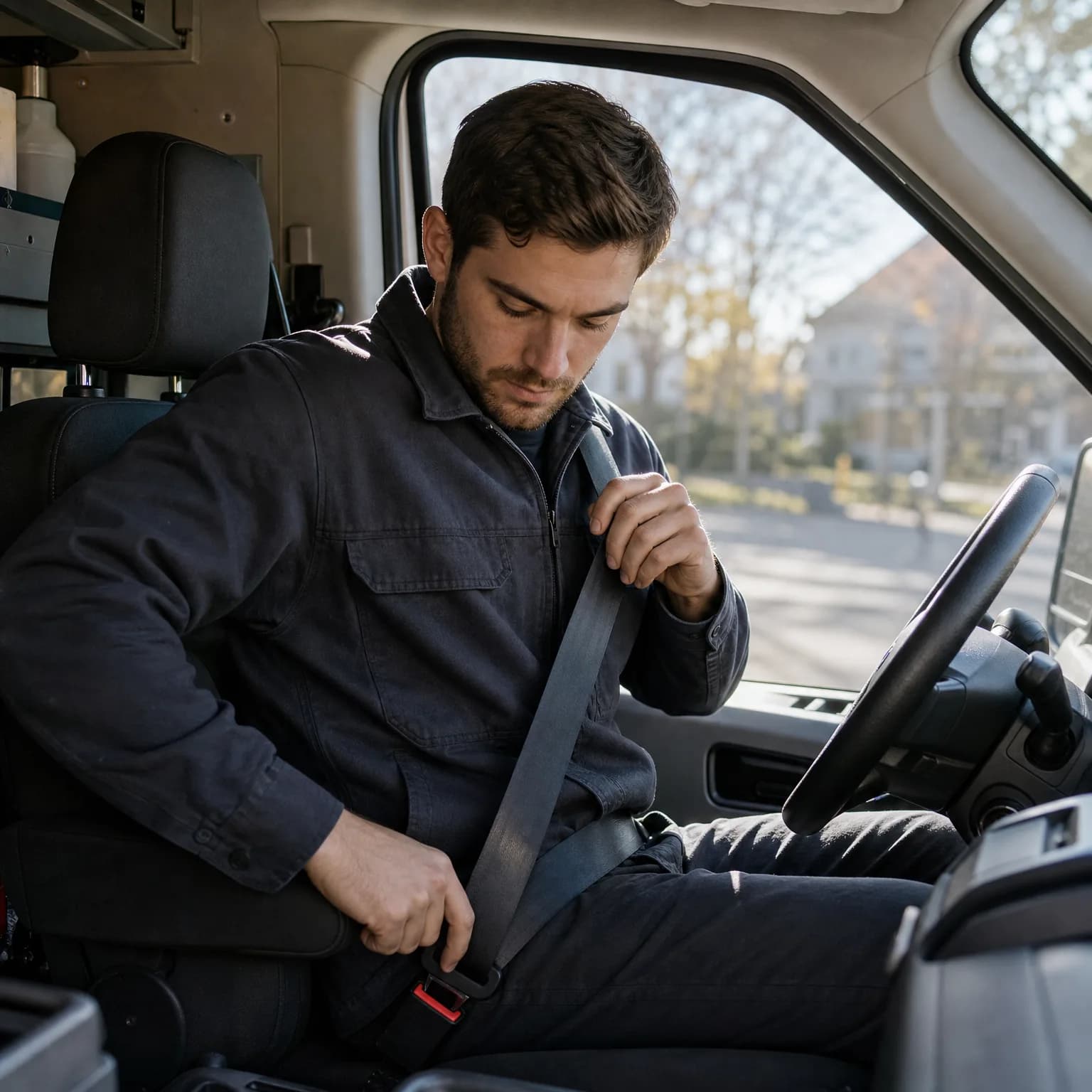
How to Switch Car Insurance Mid-SR-22 Without Losing Your License
Call your new carrier and confirm they file SR-22 certificates in Michigan before you cancel your current policy. Ask for the exact date their SR-22 will be filed with the Secretary of State. Set your new policy effective date to match the cancellation date of your old policy so there is no gap in coverage or filing.
Notify your current carrier in writing that you are canceling, and request written confirmation of your cancellation date and the date they will withdraw your SR-22 filing. Michigan law requires carriers to notify the state within 10 days of a cancellation, but you should verify the withdrawal date matches your new policy start date.
If you are switching because your current carrier non-renewed you, your SR-22 filing automatically terminates on your policy expiration date unless you have a new policy in force that day. Do not let your policy lapse while shopping for a replacement — a lapse triggers immediate suspension and adds a $125 reinstatement fee plus refiling costs.
When Your Rate Drops After a DUI in Michigan
Most carriers reduce your DUI surcharge incrementally over 7-10 years, with the steepest drop occurring 3-5 years after the conviction date. A first-offense DUI typically adds 100-150% to your premium in year one, 80-120% in year three, 50-80% in year five, and 20-40% in year seven under current carrier surcharge schedules.
Michigan removes the DUI from your public driving record 7 years after the conviction date, but carriers are allowed to surcharge for 10 years based on the date you disclosed the violation on your application. If you stay with the same carrier continuously, they will drop the surcharge entirely after their internal lookback period expires — typically 10 years for major violations.
Shopping for new coverage every 2-3 years after your DUI often produces better rates than staying with one carrier, because non-standard carriers compete aggressively for drivers exiting their SR-22 period. Once your SR-22 filing ends and you have 2-3 years of post-DUI driving history with no new violations, preferred carriers may accept you again at standard rates.
Frequently Asked Questions
Can I switch car insurance companies while on SR-22 in Michigan?
Yes, but your new carrier must file an SR-22 certificate with the Michigan Secretary of State the same day your old policy ends. A single day without active SR-22 on file triggers automatic license suspension and requires paying a $125 reinstatement fee plus refiling.
How long does a DUI affect car insurance rates in Michigan?
A DUI stays on your Michigan driving record for 7 years, but most carriers apply surcharges for 10 years based on their internal lookback periods. Expect rate increases of 100-150% in the first year, dropping to 50-80% by year five and 20-40% by year seven under typical carrier schedules.
Which car insurance companies in Michigan accept DUI drivers?
Progressive, The General, National General, Direct Auto, and Bristol West all write post-DUI policies in Michigan and file SR-22 certificates. Preferred carriers like State Farm and Auto-Owners rarely accept new applicants with a DUI on record, though they may retain existing customers at heavily surcharged rates.
Does switching insurance companies reset my DUI surcharge?
No. Every licensed carrier in Michigan sees your DUI conviction through the state's driver record system and applies their own surcharge. Switching carriers can lower your total premium if you move from a surcharged preferred carrier to a non-standard carrier with lower base rates, but the conviction itself remains visible to all insurers.
How much does SR-22 insurance cost after a DUI in Michigan?
Monthly premiums for state minimum liability coverage with SR-22 filing range from $180-$320 in the first two years after a DUI in Michigan, depending on age, county, and prior violations. Full coverage with comprehensive and collision typically costs $280-$450/mo during the SR-22 filing period.
Related Articles

Car Insurance After DUI in Michigan: Costs & Carriers
5/15/2026
Auto Insurance With Points After a DUI in Michigan
5/15/2026

Rate Recovery Timeline After a DUI in Michigan
5/15/2026

Car Insurance After DUI Reinstatement in Michigan
5/15/2026

Michigan Car Insurance After DUI: Carrier Rate Survey
5/15/2026

Michigan Car Insurance After First DUI: SR-22 & Rates
5/15/2026