
Points from a Violation in a Friend's Car: Where They Go
Free to compare
Who Gets the Points When You're Driving Someone Else's Car?
The points go on your driving record, not the car owner's. State DMVs assign violation points to the driver cited, identified by the license number on the ticket, regardless of who owns the vehicle. Your friend's insurance rates stay unaffected unless they list you as a household member or regular driver on their policy.
Your insurance carrier will discover the violation at your next renewal when they pull a motor vehicle report tied to your license. A single speeding ticket typically adds 2 to 4 points depending on speed over the limit and state point schedules, triggering a rate surcharge that lasts 3 to 5 years on most carriers' pricing models. The violation appears on your record the same way it would if you were driving your own car.
The vehicle owner faces consequences only if their policy lists you as a covered driver. If you live at the same address or drive their car regularly, most carriers require you to be named on the policy or formally excluded. A violation while driving their car as a listed driver raises their premiums because the claim risk now includes your driving history.
How Your Insurance Company Finds Out About the Ticket
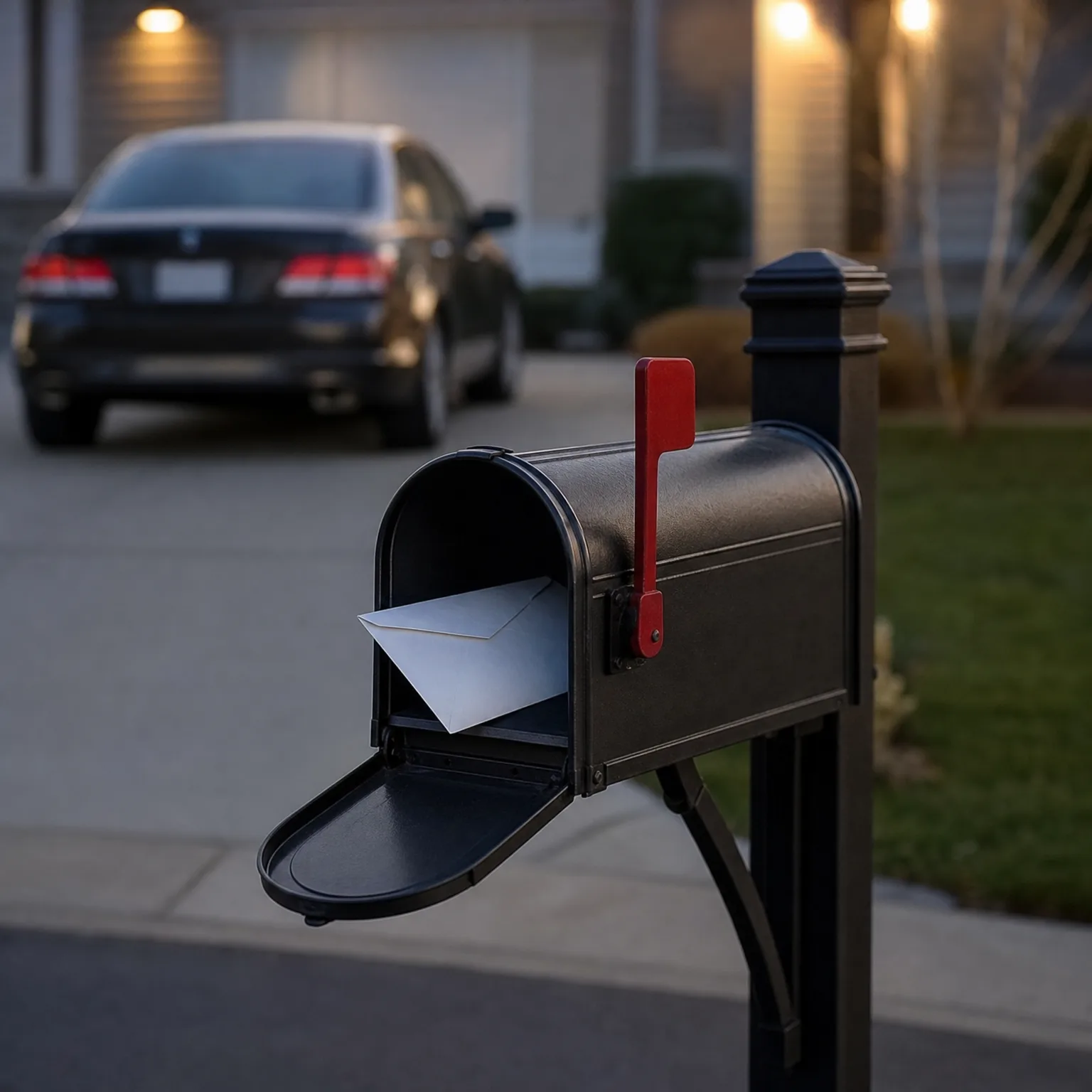
Carriers pull motor vehicle reports at renewal, typically 30 to 45 days before your policy expires. The MVR shows every violation tied to your license number for the past 3 to 5 years, including tickets received while driving vehicles you don't own. Some carriers run MVRs mid-term after major violations like reckless driving, but most wait until renewal to apply surcharges.
The ticket enters the state DMV database within 10 to 30 days after you pay the fine or a court records the conviction. Carriers do not receive real-time notifications—they see the violation only when they request your MVR. If your renewal is 8 months away, you have 8 months before the surcharge hits, but the points accumulate on your DMV record immediately.
Contesting the ticket delays both the points assignment and the insurance discovery window. If you win the case or negotiate a reduction to a no-point violation like a parking ticket or equipment violation, the original speeding charge never appears on your MVR and your carrier never sees it.


When Borrowing a Car Affects the Owner's Insurance
The car owner's rates increase only if you are a listed driver on their policy and you receive a violation while driving their vehicle. Carriers apply surcharges to policies where the violating driver is covered, not to policies covering the vehicle alone. If you borrowed the car once and are not listed on their policy, their rates stay flat.
Problems arise when you live with the car owner or use their vehicle regularly. Most carriers require household members with licenses to be either listed as covered drivers or formally excluded. If you live at the same address, your friend's insurer may discover the violation during their renewal MVR pull and require them to add you to the policy retroactively, applying both a rate increase for the violation and a coverage adjustment for the newly listed driver.
Permissive use coverage protects the car owner if you cause an accident while borrowing their car, but it does not transfer violation points or premium surcharges to their policy. The accident claim goes against their policy limits, which can raise their rates, but the ticket itself remains on your record and affects only your premiums unless you share a household.

Find the Insurers That Still Want Your Business
See Carriers That Cover YouWhat Happens If You Don't Have Your Own Insurance
If you don't carry your own auto insurance policy, the violation still accumulates on your DMV record and will surface when you apply for coverage later. Carriers run an MVR before issuing a new policy, and a speeding ticket from 6 months ago while driving a friend's car will trigger the same surcharge as if you had been insured when it happened. The clock on the surcharge period starts from the violation date, not the policy start date, so a 2-year-old ticket may carry only 1 to 3 years of remaining surcharge depending on the carrier's lookback window.
Some states require all licensed drivers to carry insurance regardless of vehicle ownership, and a lapse combined with a violation can trigger license suspension in states with continuous coverage laws. If you borrowed a car in a state that requires proof of financial responsibility and you don't have your own policy, the ticket may trigger a requirement to file proof of insurance or face a suspended license.
When you eventually buy a car and shop for insurance, carriers will quote you at the elevated rate tier that corresponds to your violation history. A clean-record driver might pay $110 per month for minimum liability coverage, while the same coverage with a speeding ticket on record could cost $145 to $180 per month depending on the violation severity and how recently it occurred.

How Long the Violation Affects Your Rates
Most carriers apply surcharges for 3 to 5 years from the violation date, though the points may fall off your DMV record sooner. A speeding ticket received in January 2023 will typically affect your insurance rates through renewals in 2026 or 2027, even if your state removes the points from your license after 2 or 3 years. The insurance lookback window and the DMV point expiration window operate independently.
Some carriers reduce the surcharge percentage in years 2 and 3 after the violation, treating a 3-year-old ticket as lower risk than a fresh one. A ticket that adds 25% to your premium in year one might add only 15% in year two and 8% in year three before dropping off entirely. Other carriers maintain a flat surcharge for the full period and remove it completely at the end of the lookback window.
Defensive driving courses can shorten the surcharge period in states that allow point reduction for completing an approved program. Completing the course removes points from your DMV record in many states, but your carrier will not automatically adjust your rate mid-term—you need to request a re-rate at renewal and provide proof of completion. Some carriers offer their own accident prevention courses that reduce premiums directly without changing your DMV point total.

Whether You Should Tell the Car Owner About the Ticket
You are not legally required to notify the car owner unless their insurance policy lists you as a driver or you caused an accident that resulted in a claim. The ticket affects only your driving record and your insurance rates, not theirs, so most one-time borrowing situations do not create a disclosure obligation.
If you live with the car owner or borrow their vehicle regularly, disclosure becomes important because their carrier may require them to add you to the policy or exclude you formally. Failing to disclose a household member with violations can void coverage if a claim occurs and the carrier discovers the undisclosed driver during the investigation. Transparency avoids a later coverage dispute that could leave both of you uninsured after an accident.
If you caused property damage or injury while driving their car, the ticket is secondary to the liability claim. Their insurance covers the accident under permissive use provisions, and the claim will raise their rates regardless of the ticket. In that scenario, the ticket and the claim both appear on records—the ticket on your DMV file, the claim on their insurance loss history.
Frequently Asked Questions
Do points go on my record if I get a ticket in someone else's car?
Yes, the points are assigned to your driver's license regardless of vehicle ownership. State DMVs identify violators by license number, not by the vehicle driven, so the ticket and points affect your driving record and insurance rates exactly as they would if you were driving your own car.
Will my friend's insurance go up if I get a ticket driving their car?
Their rates stay unaffected unless you are a listed driver on their policy. If you borrowed the car once and do not live with them, the violation impacts only your insurance. If you live at the same address or drive their car regularly, their carrier may require them to add you to the policy, which would raise their premiums.
How long does a speeding ticket from a borrowed car affect my insurance?
Most carriers apply surcharges for 3 to 5 years from the violation date. A ticket received in 2023 typically increases your premiums through 2026 or 2027, even if your state removes the points from your DMV record after 2 or 3 years. The insurance lookback window operates separately from DMV point expiration.
Can I keep a ticket secret from the car owner?
You are not required to disclose the ticket unless you live with the owner or are listed on their insurance policy. The violation affects only your record, not theirs, so one-time borrowing situations do not create a legal disclosure obligation. If you caused an accident while driving their car, their insurance handles the claim and they will find out regardless.
Related Articles

How Points Affect Car Insurance Rates
5/15/2026

Permissive Driver Accident: Who Gets the Points?
5/17/2026

Company Vehicle Ticket: Points on Your Personal Record
5/17/2026

Why Your Rate Dropped Before Points Expired
5/17/2026

Get Car Insurance With Points on License: Fast Path
5/17/2026

How Long Do Points Stay on Your Driving Record?
5/15/2026