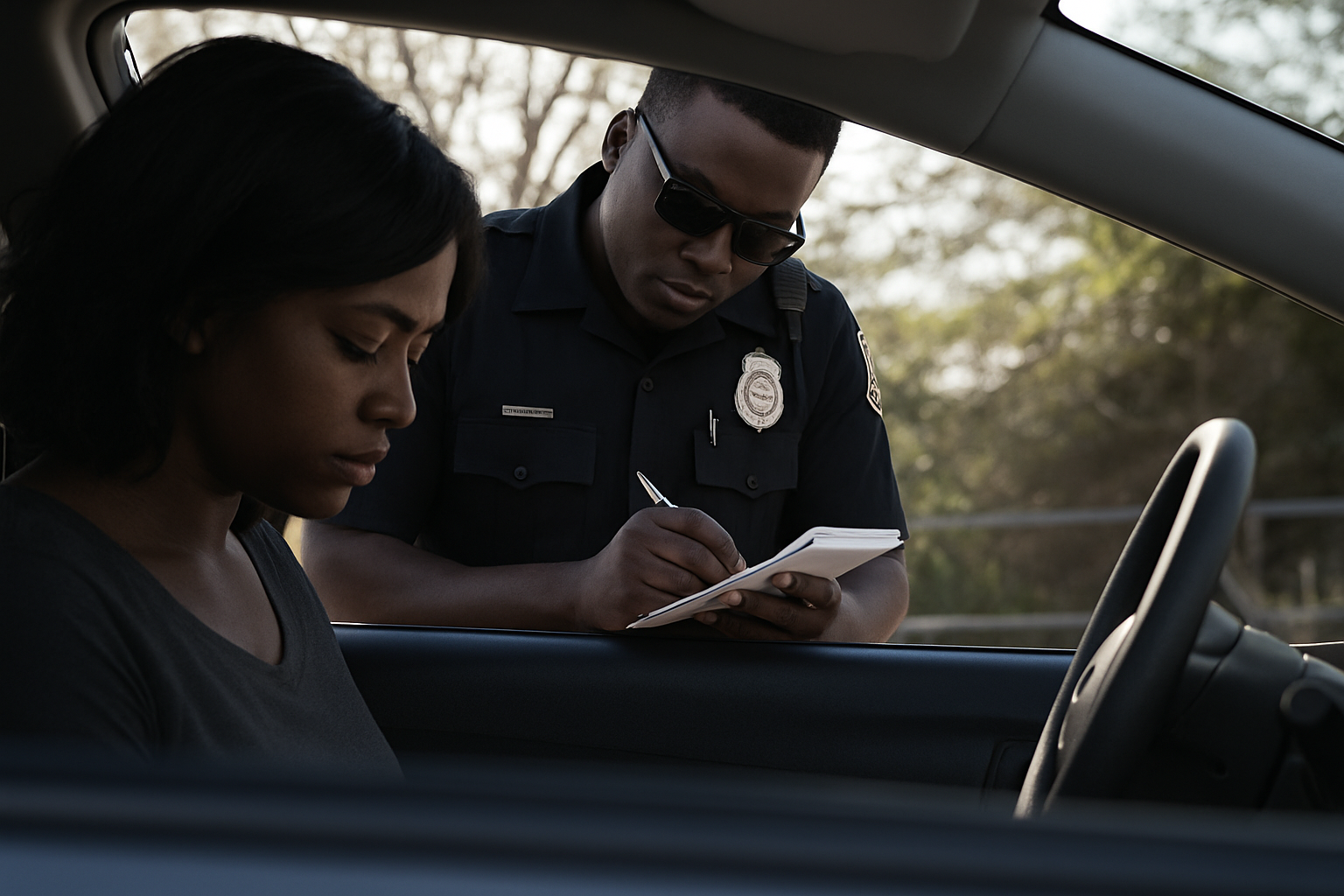
A single speeding ticket in Buffalo adds $350–$900/year to your premium depending on carrier. New York's point system hits harder than most states — here's what each major insurer charges after a violation and how long the surcharge lasts.
How Much Your Rate Goes Up After a Speeding Ticket in Buffalo
A single speeding ticket in Buffalo typically increases your annual premium by $350 to $900, depending on your carrier and the severity of the violation. The statewide average for a minor speeding violation (1–10 mph over) is a 25% increase, but that masks dramatic variation between insurers. State Farm applies an average 22% surcharge, while Progressive and Geico both average 40–43% increases for the same violation.
New York assigns point values based on speed: 3 points for 1–10 mph over, 4 points for 11–20 mph over, 6 points for 21–30 mph over, and 8 points for 31–40 mph over. Those points stay on your record for 18 months from the conviction date. But your insurance surcharge lasts longer — most carriers apply the rate penalty for 36 months, which means you pay elevated premiums for two full years after the points no longer affect your license or suspension risk.
The dollar impact depends on your base rate. A driver paying $1,800/year before the ticket will see annual costs rise to $2,160–$2,574 after a minor speeding violation. A driver already paying $2,400/year due to age or vehicle type jumps to $2,880–$3,432. If you accumulate 6 points within 18 months, New York adds a Driver Responsibility Assessment fee of $300 ($100/year for three years), paid directly to the DMV and separate from your insurance premium. New York's SR-22 requirements non-standard auto insurance
Carrier-by-Carrier Rate Increases in Buffalo After a Speeding Ticket
Erie Insurance and State Farm deliver the smallest surcharges in Buffalo after a speeding ticket, averaging 20–24% increases. USAA (available to military families) applies a 22% average increase. These carriers also tend to offer accident forgiveness or minor violation forgiveness programs that can reduce or eliminate the first surcharge if you've been claim-free for three to five years.
Geico, Progressive, and Allstate impose steeper penalties — typically 38–45% increases for a single speeding conviction. Geico averages 43%, Progressive 40%, and Allstate 38%. For a driver paying $150/month before the ticket, that's a jump to $210–$218/month with these carriers. The difference between the lowest and highest surcharge carrier can be $400–$600 per year for the same violation.
Nonstandard carriers like The General and Direct Auto operate differently. They price high-risk drivers into their base rates from the start, so a single speeding ticket may add only 10–15% to your premium — but your baseline cost is already 40–60% higher than a standard carrier would charge a clean-record driver. If you're already with a nonstandard carrier due to prior violations, a new ticket typically adds $25–$50/month rather than the $75–$100/month you'd see moving from a standard carrier to nonstandard for the first time.
How Long the Surcharge Lasts and When Points Fall Off in New York
New York's DMV removes points from your license 18 months after the conviction date, not the violation date. If you were ticketed in March but convicted in June, the 18-month clock starts in June. Once the points drop, you're no longer at risk of a suspension for accumulating 11 points in 18 months, and you're no longer liable for the Driver Responsibility Assessment if your total was 6 or more.
But your insurance surcharge runs on a different clock. Most carriers apply the rate penalty for 36 months from the conviction date, meaning your premium stays elevated for a full year after the points disappear from your DMV record. A few carriers — notably Erie and USAA — reduce the surcharge after 24 months if you remain violation-free, but this is not standard industry practice.
If you take a New York DMV-approved Point and Insurance Reduction Program (PIRP) course, you reduce your point total by up to 4 points and qualify for a mandatory 10% premium reduction for three years. The course costs $25–$50 and takes about six hours online or in-class. The catch: the 10% discount applies only to the base liability and collision premiums, not comprehensive, and some carriers already price PIRP completion into their rates, so the actual benefit varies. But if you're sitting at 5 or 6 points and one ticket away from a suspension, PIRP is the fastest point-reduction tool available without waiting 18 months. how the point system works in your state
What Happens If You Accumulate Multiple Tickets or Hit 11 Points
New York suspends your license if you accumulate 11 points within 18 months. Two speeding tickets at 4 points each (11–20 mph over) plus a cell phone ticket (5 points) puts you at 13 points and an automatic suspension. The suspension lasts until you complete the penalty period set by the DMV, typically 30–90 days for a first offense.
Once suspended, you're required to file an SR-22 certificate (called an FS-1 in New York) for three years after reinstatement if the suspension was due to a serious violation like reckless driving or multiple speeding convictions in a short period. Most point-based suspensions do not trigger an SR-22 requirement unless you were also convicted of an alcohol-related offense, driving without insurance, or leaving the scene of an accident. But your insurance options narrow dramatically — most standard carriers will not renew a policy after a suspension, forcing you into the nonstandard market where rates run 60–120% higher than standard.
If you're at 8–10 points, your best move is to avoid any new violations for 18 months and consider PIRP to drop 4 points immediately. Carriers treat a pattern of violations more harshly than a single incident. A driver with three tickets in two years will see surcharges of 70–100%, even if total points never hit the suspension threshold. At that level, you're shopping nonstandard carriers like Dairyland, The General, or Bristol West, and your monthly premium will likely exceed $200–$300 depending on coverage limits.
Which Carriers Still Write Policies After Multiple Violations in Buffalo
If you have two or more speeding tickets within three years, most standard carriers — State Farm, Allstate, Geico — will either non-renew your policy at renewal or decline to write you a new policy if you're shopping. Erie and USAA are slightly more forgiving, but even they impose strict underwriting limits: typically no more than two violations in 36 months and no at-fault accidents in the same period.
Nonstandard carriers that actively write policies for drivers with multiple violations in Buffalo include Dairyland, Progressive (their nonstandard tier), Direct Auto, The General, and National General. These carriers expect violations in your history and price accordingly. A Buffalo driver with two speeding tickets and no accidents can expect monthly premiums of $180–$280 for state minimum liability coverage, compared to $90–$140 for a clean-record driver with the same coverage.
Bristol West and Infinity also operate in New York and specialize in high-point drivers, but their availability is limited to specific ZIP codes in Erie County. If you're outside their service area, you'll rely on assigned risk through the New York Automobile Insurance Plan (NYAIP), which assigns you to a carrier at state-regulated rates. NYAIP premiums are typically 40–80% higher than voluntary nonstandard market rates, so it's always worth exhausting nonstandard options before entering assigned risk.
How to Lower Your Rate After a Speeding Ticket in Buffalo
The single highest-leverage action after a speeding ticket is to re-shop your policy. Rate increases vary so dramatically by carrier that staying with your current insurer after a violation often costs you $500–$1,000/year compared to switching. Get quotes from at least three carriers, including one nonstandard option like Dairyland or Progressive's nonstandard tier, even if you think you qualify for standard coverage.
Complete a New York PIRP course within 18 months of your conviction. The course costs $25–$50, reduces your point total by up to 4 points, and triggers a mandatory 10% premium discount for three years. The discount is small — $15–$30/month for most drivers — but it stacks with other discounts and signals to underwriters that you're taking steps to improve your record.
Raise your deductibles on collision and comprehensive coverage if you're currently carrying $250 or $500 deductibles. Moving to a $1,000 deductible typically saves 10–15% on those coverage portions, which offsets part of the surcharge from the ticket. If you're driving an older vehicle worth less than $5,000, consider dropping collision and comprehensive entirely and carrying only liability — this is especially effective if your ticket pushed you into the nonstandard market where collision premiums can exceed the vehicle's value within two years.