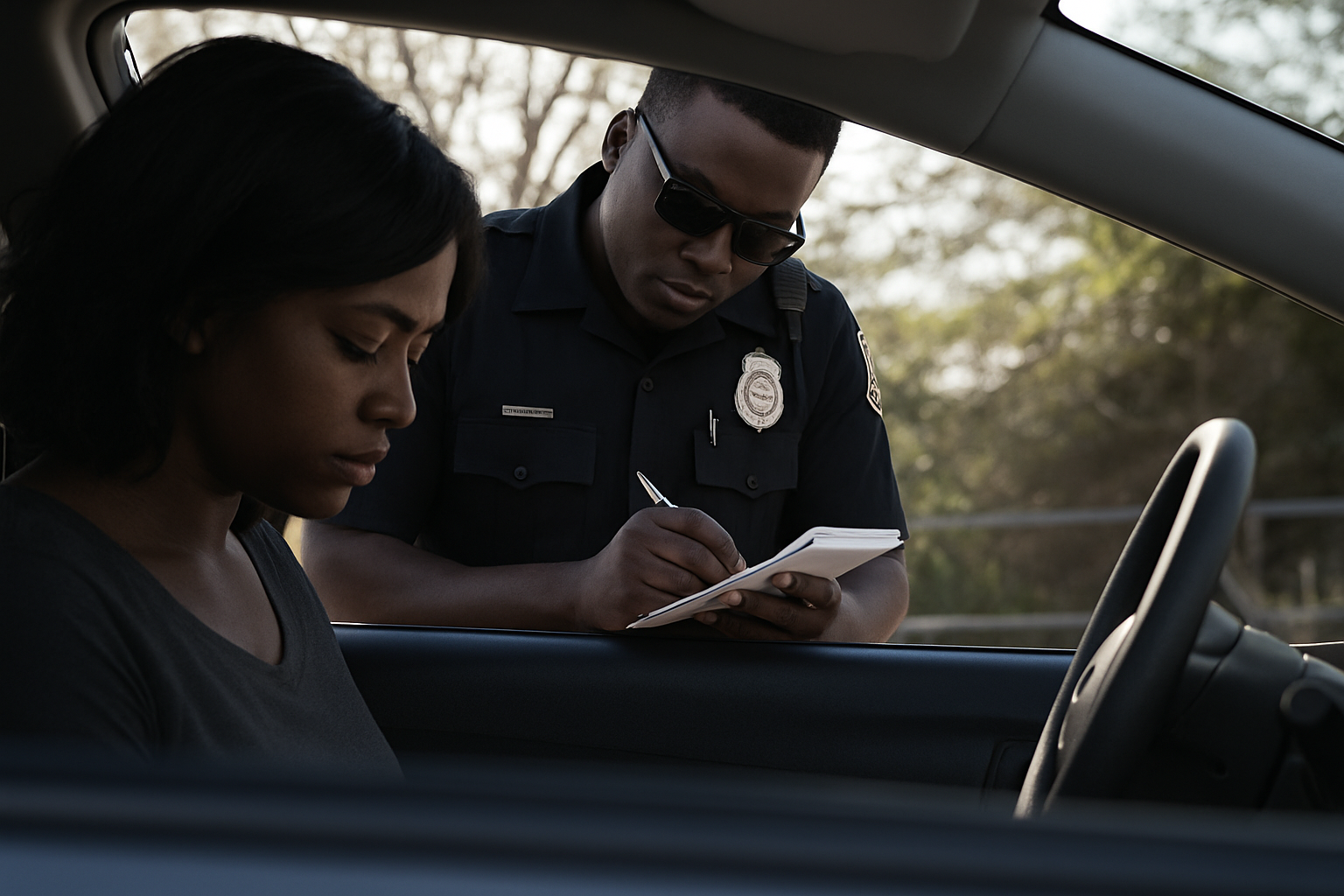
A single speeding ticket in Durham typically raises your insurance rate by 15–30%, but the actual increase depends on which carrier you're with and how fast you were going. Here's what drivers with points on their record are actually paying across major carriers.
What a Speeding Ticket Actually Costs You in Durham
A speeding ticket in Durham adds 3 insurance points to your North Carolina driving record, and those points stay active for three years from the date of conviction. The fine you pay to the court is the smallest part of the cost — the insurance rate increase over those three years is where the real expense sits. For a driver paying $150/month before the ticket, a 20% increase means an extra $30/month, or $1,080 over three years. That's on top of the $200–$300 court fine and any court costs.
North Carolina uses a separate insurance point system that's different from the DMV license point system. A speeding ticket 10 mph or less over the limit adds 2 insurance points. Speeding more than 10 mph over adds 3 insurance points. Speeding more than 75 mph in a 70 mph zone or 80 mph in any zone adds 4 insurance points. Insurance points directly affect your rates, while license points determine whether you face suspension. You can accumulate insurance points without approaching the 12 license points in three years that trigger a suspension in North Carolina.
The rate increase is not uniform across carriers. Some insurers penalize speeding tickets heavily, treating them as high-risk indicators. Others apply minimal surcharges, especially if you've been with them for years without a claim. This carrier-specific variation is why shopping your policy after a ticket is the single highest-leverage action you can take to control your premium. North Carolina SR-22 requirements
Carrier-by-Carrier Rate Increases After a Speeding Ticket in Durham
Rate increases after a speeding ticket in North Carolina vary significantly by carrier, with some companies raising rates by double or triple what others charge for the same violation. Based on statewide North Carolina rate data from the North Carolina Rate Bureau and insurer filings, here's how major carriers typically respond to a single speeding ticket for a driver with an otherwise clean record.
State Farm typically applies a 15–22% rate increase for a first speeding ticket, one of the more moderate increases among major carriers. GEICO's surcharge ranges from 18–26%, depending on speed and your prior history with the company. Progressive tends to apply 20–30% increases, with higher speeds pushing toward the upper end. Nationwide averages 17–25% for a single ticket. Allstate and Farmers are consistently among the steepest, with increases often landing between 28–40% for the same violation.
For a Durham driver paying $1,800/year ($150/month) before the ticket, that translates to the following annual increases: State Farm adds roughly $270–$400/year, GEICO $325–$470, Progressive $360–$540, Nationwide $305–$450, and Allstate or Farmers $505–$720. Over the three-year life of the insurance points, that's a difference of $810 at the low end and $2,160 at the high end — for the same speeding ticket.
If you're currently with a carrier applying a 30%+ surcharge, switching to a carrier that treats your ticket more leniently can cut your annual increase in half or more. Non-standard carriers like Dairyland, National General, and Bristol West may also offer competitive rates for drivers with recent tickets, especially if you've accumulated multiple violations and standard carriers have non-renewed you or priced you out. SR-22 insurance coverage non-standard auto insurance
How Long a Speeding Ticket Affects Your Rates in North Carolina
North Carolina insurance points remain on your record for three years from the date of conviction, not the date of the violation. If you paid your ticket in April 2024, the insurance points fall off in April 2027. Until that date, insurers can use the ticket to calculate your premium. However, the rate impact doesn't always last the full three years — many carriers reduce or eliminate the surcharge after two years if you have no additional violations or claims.
The North Carolina Safe Driver Incentive Plan (SDIP) is the statewide framework that determines how insurance points translate into rate increases. Under SDIP, each insurance point adds a percentage increase to your base rate. One point typically adds about 25% to your premium, two points add 45%, three points add 65%, and four points add 90%. These percentages stack, so a driver with two separate tickets totaling five insurance points could see their rate more than double.
You can remove insurance points early by completing a North Carolina DMV-approved defensive driving course, which reduces your insurance points by three. This is a one-time reduction available once every three years, and it only affects insurance points — not license points. If you have a single three-point speeding ticket, completing the course zeroes out your insurance points entirely and removes the rate surcharge immediately. The course costs $40–$100 and takes four to eight hours, making it one of the highest-return investments available to drivers with recent tickets.
Shopping for Coverage After a Ticket: What Durham Drivers Need to Know
Switching carriers after a speeding ticket is not disloyal or suspicious — it's standard practice for drivers managing rate increases, and insurers expect it. When you request quotes from new carriers, they will pull your motor vehicle record (MVR) and see the ticket. The ticket is already priced into every quote you receive, so there's no benefit to waiting until it falls off your record to shop. In fact, waiting means you're paying the inflated rate with your current carrier for months or years longer than necessary.
Not all carriers will quote you after a speeding ticket, especially if you have multiple violations or an at-fault accident in the same three-year window. Standard carriers like USAA, Erie, and Auto-Owners may decline to write new policies for drivers with recent tickets, even though they'll often keep existing customers. Non-standard carriers like Dairyland, Bristol West, National General, and The General specialize in drivers with violations and typically offer quotes where standard carriers won't.
When comparing quotes, ask each carrier how they handle the ticket specifically and whether completing a defensive driving course would lower your rate further. Some carriers apply the SDIP point reduction automatically once you provide proof of course completion. Others require you to request the adjustment manually. If you're quoted a rate that seems unusually high compared to your pre-ticket premium, ask whether the quote reflects the three-point reduction available through the defensive driving course.
Durham drivers should get quotes from at least three carriers after a ticket, including at least one non-standard carrier. The rate spread between the highest and lowest quote is often $800–$1,500 per year for the same coverage. That spread grows wider the more violations you have. Loyalty discounts and bundling can offset some of the ticket surcharge, but they rarely outweigh the savings available by switching to a carrier that applies a lower surcharge to your specific violation.
When a Speeding Ticket Triggers SR-22 or License Suspension in Durham
Most speeding tickets in North Carolina do not require SR-22 insurance. SR-22 is a certificate of financial responsibility filed by your insurer to prove you carry the state-required minimum liability coverage. It's mandated after specific violations like DUI, driving without insurance, or accumulating too many license points — not for a single speeding ticket.
North Carolina suspends your license if you accumulate 12 license points within three years or if you're convicted of certain serious violations like reckless driving or speeding over 15 mph above the limit in a school zone. A standard speeding ticket adds 3 license points. If you already have 9 or more license points from prior violations, a new speeding ticket could push you over the threshold and trigger a suspension. Once suspended, you'll need to serve the suspension period, pay reinstatement fees, and file SR-22 for three years to regain your license.
If your license is suspended for points, the reinstatement process requires paying a $50 restoration fee to the North Carolina DMV and providing proof of insurance via SR-22 filing. Your insurer files the SR-22 electronically with the state, and you must maintain continuous coverage for three years. Any lapse in coverage during that period resets the three-year clock. SR-22 itself doesn't increase your rates — the underlying violations do — but it limits your carrier options to those willing to file SR-22, which are mostly non-standard insurers.
If you're approaching the 12-point threshold or already suspended, focus on finding a non-standard carrier experienced with SR-22 filings in North Carolina. Not all carriers file SR-22, and those that do often specialize in high-risk drivers. Dairyland, National General, Bristol West, and The General are commonly available in Durham for SR-22 coverage. Expect to pay 50–120% more than a driver with a clean record, but rates recover as violations age off your record and you complete the SR-22 period without additional incidents.
Steps to Lower Your Rate After a Speeding Ticket in Durham
The fastest way to reduce your insurance cost after a speeding ticket is to complete a North Carolina defensive driving course and then shop for new coverage. The course removes three insurance points from your record immediately, which can cut your rate increase in half or eliminate it entirely if you only have one ticket. North Carolina offers both in-person and online defensive driving courses approved by the DMV. Online courses cost $40–$80 and take four to six hours, and you can complete them at your own pace.
Once you've completed the course, request a certificate of completion and send it to your insurer. Most carriers apply the insurance point reduction within one billing cycle, and your rate should drop accordingly. If your current carrier still applies a significant surcharge even after the point reduction, get quotes from at least three other carriers. Provide proof of course completion when requesting quotes so the new carriers price your policy with the reduced point total.
Other rate reduction strategies include increasing your deductible from $500 to $1,000, which typically saves 10–15% on collision and comprehensive premiums, and bundling your auto policy with renters or homeowners insurance for a multi-policy discount. If you drive fewer than 7,500 miles per year, ask about low-mileage discounts. Some carriers also offer usage-based insurance programs that monitor your driving habits via a mobile app or plug-in device and discount your rate if you drive safely — these programs can offset 10–30% of the ticket surcharge if you demonstrate consistent safe driving.
Finally, stay violation-free for the next three years. A second speeding ticket before the first one falls off your record doubles your insurance point total and can push you into non-standard carrier territory or trigger a non-renewal from your current insurer. Carriers treat a pattern of violations much more harshly than a single ticket, and the rate recovery timeline resets with each new violation.