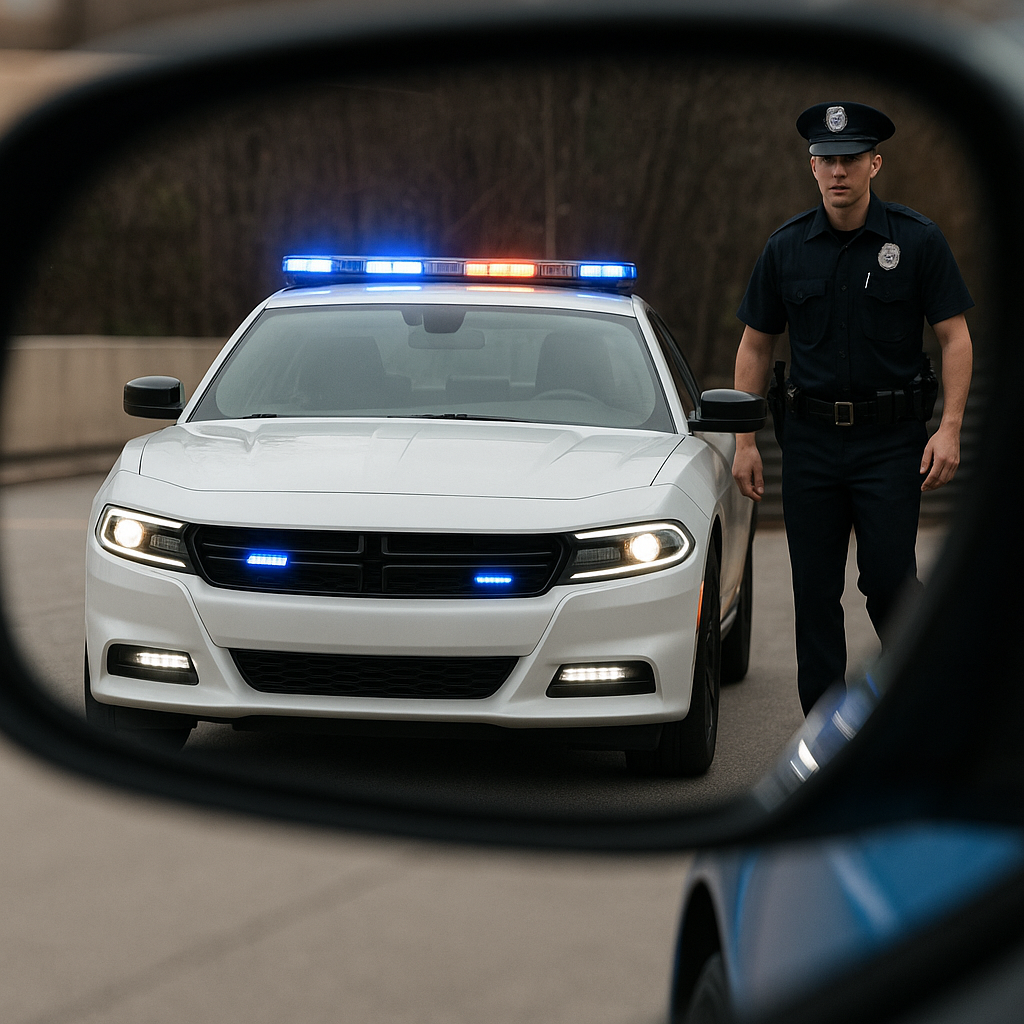
A single speeding ticket in Fresno can raise your insurance rates 15–30% depending on carrier, but State Farm and GEICO treat points differently — and knowing which carriers underwrite for violations in Fresno means the difference between a $40/mo increase and $120/mo.
How Much Fresno Carriers Raise Rates After a Speeding Ticket
A speeding ticket in Fresno typically increases your insurance premium by 15–30% on average, but that range masks extreme carrier-to-carrier variation. State Farm historically applies surcharges around 18–22% for a single minor speeding violation, while Mercury and Progressive can impose increases closer to 28–35% for the same ticket. The difference is not about severity — it's about underwriting philosophy and whether your carrier treats violations as predictive loss events or temporary risk markers.
Fresno County drivers with one speeding ticket pay an average of $1,680–$2,200 per year for full coverage after the violation appears on their record, compared to $1,400–$1,700 before the ticket. That translates to $24–$42 more per month for the first year following the conviction. Drivers who already had one prior violation before the new ticket can see combined increases of 40–55%, pushing monthly costs up by $60–$90.
Carriers apply surcharges at renewal following the conviction date, not the citation date. If you received a ticket in March but contested it until September, the surcharge won't appear until your next renewal after the September conviction. Most Fresno drivers see the increase 30–90 days after the court reports the conviction to the California DMV, depending on their policy renewal cycle.
California Point System and How Long the Ticket Affects Your Rates
California assigns one point for most speeding violations under Vehicle Code 22350 (unsafe speed) and 22349 (exceeding maximum speed). The point remains on your DMV record for 36 months from the violation date, but insurance carriers in Fresno typically surcharge your policy for three to five years depending on the carrier. State Farm and Farmers tend to drop surcharges after three years; Progressive and Mercury often maintain them for four to five years.
Your license is not suspended for a single speeding ticket. California triggers a negligent operator suspension at four points in 12 months, six points in 24 months, or eight points in 36 months. A single one-point speeding ticket does not approach these thresholds, which means most Fresno drivers with one violation are dealing with a rate problem, not a licensing problem.
Points fall off your record 36 months from the violation date, not the conviction date. If you were cited on June 1, 2023, the point expires June 1, 2026, even if you didn't resolve the ticket in court until August 2023. This matters for insurance: once the point ages past 36 months, carriers who pull a fresh MVR will no longer see it, and you become eligible for clean-record pricing again. California SR-22 requirements how points affect insurance rates
Which Fresno Carriers Offer the Best Rates After a Violation
After a speeding ticket, your best rate will almost never come from your current carrier. Fresno drivers with one violation should requote with at least three carriers that specialize in non-standard or tolerant underwriting: GEICO, Mercury, and Bristol West are active in Fresno County and frequently offer better pricing than incumbent carriers who have already surcharged you.
GEICO in California tends to apply smaller percentage increases (15–20%) but may non-renew drivers who accumulate two violations within 24 months. Mercury applies steeper initial surcharges (25–32%) but is more tolerant of multiple violations and rarely non-renews for points alone. Bristol West and Acceptance Insurance write higher-risk profiles in Fresno and often beat standard carriers when you have two or more points, though their base rates are higher and coverage options more limited.
State Farm and Farmers dominate the Fresno market for clean-record drivers but become less competitive after violations. A Fresno driver paying $140/mo with State Farm before a ticket may see that rise to $165–$175/mo after. That same driver could often find full coverage with Mercury or GEICO for $150–$160/mo by requoting within 30 days of the surcharge appearing. The savings gap widens with each additional point.
Fresno-Specific Factors That Affect Your Post-Ticket Rate
Fresno County has higher-than-average collision and uninsured motorist claim frequencies compared to coastal California markets, which means carriers price base rates higher here even before violations. A speeding ticket in Fresno results in a larger absolute dollar surcharge than the same ticket in a lower-cost county, because the surcharge percentage applies to a higher base premium. Expect post-ticket increases of $30–$50/mo in Fresno versus $20–$35/mo in lower-cost regions like Sacramento or the Central Coast.
Highway Patrol enforcement on State Route 99 and State Route 41 generates a disproportionate volume of speeding citations in Fresno County — many at speeds 15–20 mph over the limit, which triggers the same one-point violation as a 10 mph overage but signals higher risk to underwriters. Carriers distinguish between minor speeding (1–15 over) and major speeding (16+ over) even when both result in one point. If your ticket was for 80+ mph in a 65 zone, expect surcharges at the higher end of the range.
Zip code matters within Fresno. Drivers in 93726, 93720, and 93711 (North Fresno) typically see lower base rates and smaller post-violation surcharges than drivers in 93706, 93701, or 93702 (Central and Southwest Fresno), where claim density is higher. The same ticket can cost you $25/mo more in one zip than another solely due to territory rating.
How to Reduce Your Rate After a Speeding Ticket in Fresno
California allows drivers to mask one violation every 18 months by completing a state-approved traffic school course, which prevents the point from appearing on your public driving record that insurers see. If you were eligible for traffic school and completed it before your court deadline, the DMV confidential record still shows the conviction but insurers cannot access it, meaning no surcharge. This is the single highest-value action available to Fresno drivers after a ticket.
If traffic school was not an option or you missed the deadline, your next-best move is to requote immediately after the surcharge appears. Fresno drivers who shop within 60 days of a rate increase recover an average of 40–60% of the surcharge by switching carriers. Waiting until your next annual renewal to shop means paying the inflated rate for 12 months unnecessarily.
Some Fresno carriers offer accident forgiveness or minor violation forgiveness programs that waive the first surcharge if you've been with the carrier for three to five years without prior claims or violations. State Farm's Drive Safe & Save and Mercury's Assurance programs both include forgiveness features, but they apply only to existing policyholders and must be in place before the violation occurs. If you don't already have forgiveness coverage, you cannot add it retroactively.
When a Speeding Ticket Does Not Require SR-22 in California
A standard speeding ticket — even for speeds significantly over the limit — does not trigger an SR-22 requirement in California. SR-22 filings are required only after specific events: DUI conviction, driving without insurance, at-fault accident while uninsured, license suspension for negligent operator points, or a court-ordered filing following reckless driving or excessive violations.
Fresno drivers with one or two speeding tickets do not need SR-22 unless those tickets led to a negligent operator suspension (four points in 12 months) or were part of a reckless driving charge under Vehicle Code 23103. If you received a suspension notice from the DMV, you will need SR-22 to reinstate, but the speeding ticket alone does not create that requirement.
Confusing point violations with SR-22 violations leads many Fresno drivers to overpay or delay shopping for coverage. If you have not received a suspension notice or court order requiring SR-22, you are shopping for standard or non-standard auto insurance, not SR-22 insurance. The coverage types are priced differently, and conflating them can result in paying 30–50% more than necessary.