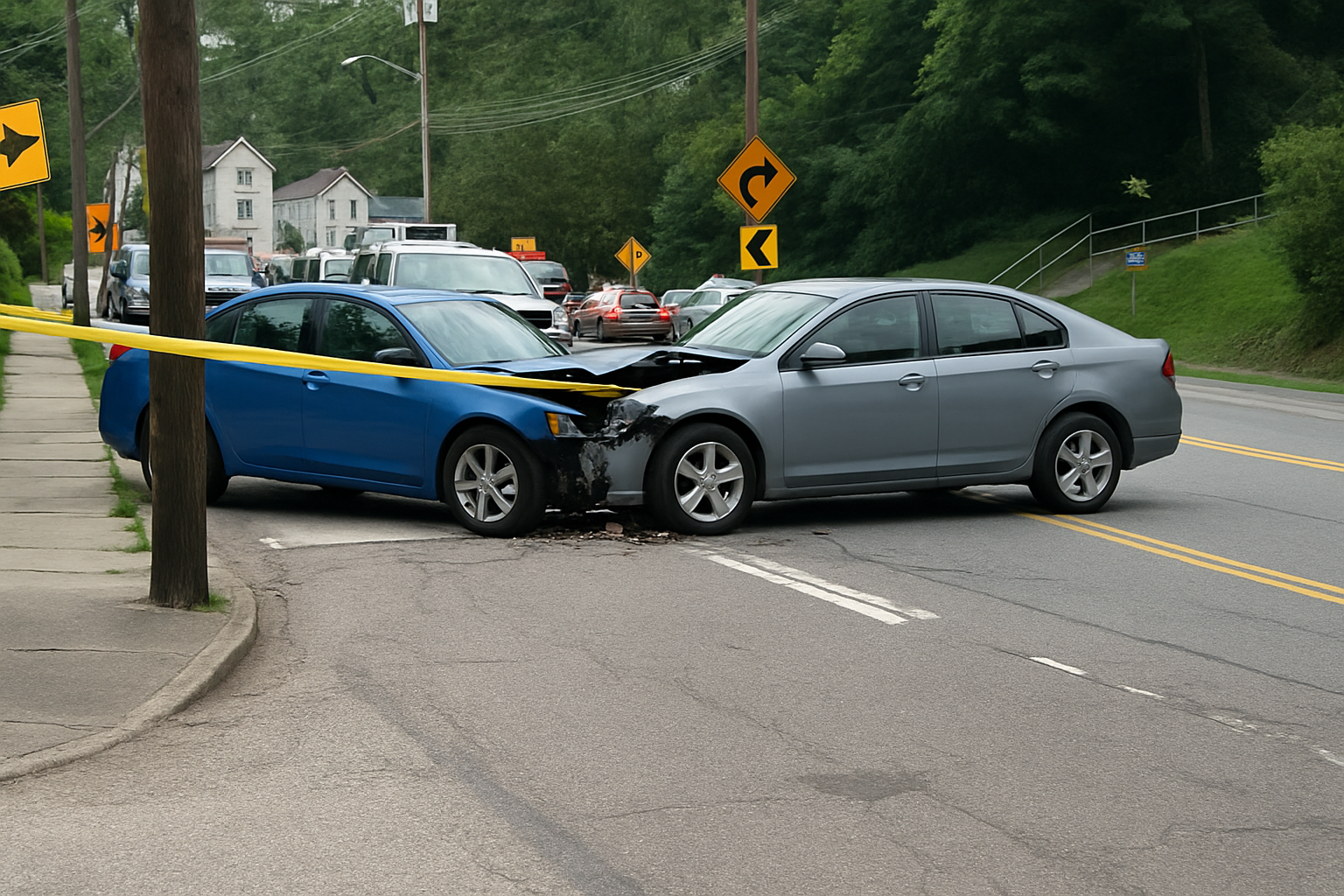
A single speeding ticket in Memphis can raise your insurance by 15–40% depending on the carrier and violation severity. Here's what you'll actually pay with Tennessee's top insurers after a violation, how long the increase lasts, and which carriers penalize you least.
What a Speeding Ticket Actually Costs You in Memphis
A speeding ticket in Memphis triggers two separate costs: the fine you pay to the court and the insurance rate increase that follows. The court fine ranges from $50 to $300 depending on how many miles over the limit you were traveling, but the insurance cost is typically 3–10 times larger than the ticket itself over the three-year period most carriers surcharge you.
For a Memphis driver paying $150/month before a violation, a 15-over speeding ticket typically raises rates to $180–$210/month — an extra $30–$60 monthly, or $1,080–$2,160 over three years. A more serious violation like 25-over or reckless driving can push that increase to $70–$100/month, adding $2,520–$3,600 to your total insurance cost.
Tennessee does not use a traditional point system visible to drivers — violations are tracked on your driving record and insurance carriers assess their own internal surcharges based on severity, not a public point total. This means you won't see a specific point balance, but every moving violation stays on your record for three years and affects your premiums during that period. Speeding tickets do not trigger SR-22 requirements in Tennessee unless combined with a license suspension or serious violation like DUI or reckless driving.
Memphis Rate Increases by Carrier After a Speeding Ticket
Not all carriers penalize speeding tickets equally. A 15-over violation in Memphis produces dramatically different rate increases depending on which insurer you're with — and this gap widens for drivers who already have one or more violations on their record.
State Farm typically increases rates 15–20% after a single speeding ticket, one of the lowest surcharges among major carriers in Tennessee. A driver paying $140/month before the ticket would see rates rise to approximately $161–$168/month.
GEICO applies a 20–25% increase for the same violation, raising a $140/month policy to $168–$175/month. GEICO's competitiveness depends heavily on your overall profile — they may still be cheaper than competitors even with the surcharge if you started with a low base rate.
Progressive surcharges speeding tickets at 22–30%, landing closer to $171–$182/month for a driver previously at $140. Progressive does offer competitive rates for drivers with multiple violations, making them a strong option if you have more than one ticket on your record.
Allstate and Nationwide apply some of the steepest increases in Memphis, often 30–40% for a single speeding ticket. A $140/month policy could jump to $182–$196/month. If you're currently with one of these carriers and just received a ticket, shopping your rate immediately is the highest-leverage action available to you.
Non-standard carriers like Bristol West, Dairyland, and The General specialize in drivers with violations and may offer lower total premiums than standard carriers after a ticket, even though their base rates are higher. If your current carrier raised your rate by more than 25%, request quotes from at least two non-standard insurers.
How Long the Increase Lasts and When Rates Recover
Tennessee maintains speeding violations on your driving record for three years from the date of conviction, and most carriers apply surcharges for that full period. Your rate will not automatically drop the day your violation falls off — you need to request a new quote or wait until your next renewal after the three-year mark.
Some carriers reduce the surcharge incrementally. A violation may carry a 25% increase in year one, 18% in year two, and 10% in year three before dropping entirely. Others apply a flat surcharge for the full three years. This difference is internal to each carrier and not disclosed in policy documents, which is why shopping your rate annually after a violation often uncovers better pricing.
Tennessee does not offer a point reduction program, but completing a state-approved defensive driving course can sometimes convince your current insurer to reduce the surcharge or prevent it entirely if you take the course before the ticket appears on your record. Not all carriers honor this, and the discount is discretionary. If your insurer does not offer a post-ticket discount for defensive driving, that's another reason to shop — a competitor may.
The practical timeline for full rate recovery is three years and one renewal cycle. If your violation date was March 2022, it falls off your record in March 2025, but you won't see the rate drop until your policy renews after that date — possibly April or May 2025 depending on your renewal month.
Tennessee's Point System and What It Means for Memphis Drivers
Tennessee tracks violations on your driving record but does not publish a point total accessible to drivers. Instead, the state uses an internal point system to determine license suspension thresholds. If you accumulate 12 points within 12 months, your license is suspended. Speeding 1–5 over the limit is 1 point, 6–15 over is 3 points, 16–25 over is 4 points, and 26+ over is 5 points. Reckless driving is 6 points.
Most Memphis drivers with a single speeding ticket are nowhere near the suspension threshold, but two or three violations in a short window can put you at risk. A 20-over ticket (4 points) combined with a failure to yield (4 points) and running a red light (4 points) within a year totals 12 points and triggers suspension. If you're approaching that threshold, your immediate priority is avoiding any additional violations until the 12-month clock resets.
Suspension for points requires SR-22 filing when you reinstate, which is a separate and more expensive insurance situation than simply having violations on your record. SR-22 is not required for speeding tickets alone unless they resulted in a suspension. If your license was suspended for accumulating 12 points, you'll need to file SR-22 for three years in Tennessee and your insurance costs will typically double or triple during that period. Tennessee's SR-22 requirements non-standard auto insurance
What You Should Do After a Memphis Speeding Ticket
The first step is to determine whether your current carrier has already applied the surcharge. Some insurers apply it immediately at the next renewal, others take 30–60 days to pull your updated driving record. Call your agent or check your renewal notice — if the increase hasn't hit yet, you have a narrow window to shop before it does.
Once the surcharge appears, request quotes from at least three carriers. Focus on insurers known for competitive non-standard pricing: Progressive, GEICO, State Farm, and non-standard specialists like Dairyland or Bristol West. Do not assume your current carrier is still the best option — carrier competitiveness shifts dramatically after a violation.
If you're offered a defensive driving course dismissal option by the Memphis court, take it. Tennessee courts sometimes allow first-time violators to complete a driving course in exchange for dismissing the ticket entirely, which keeps it off your record and prevents the insurance increase. This is not available for all violations or all drivers, but if the court offers it, the $50–$100 course fee is a fraction of the insurance cost you'll avoid.
If the ticket is already on your record and you're locked into a higher rate, set a calendar reminder for 12 months, 24 months, and 36 months from the violation date to re-shop your rate. Rates evolve as the violation ages, and the carrier offering the best price in year one may not be the best in year three. The average Memphis driver who shops annually after a ticket saves $300–$600 compared to staying with the same carrier for the full three-year surcharge period.
When You Need SR-22 in Tennessee and When You Don't
Most Memphis drivers with speeding tickets do not need SR-22. SR-22 is a certificate your insurer files with the state proving you carry minimum liability coverage, and it's only required after specific violations: DUI, reckless driving with injury, driving without insurance, multiple at-fault accidents in a short period, or license suspension for accumulating 12 points.
A single speeding ticket — even a serious one like 30 over — does not trigger SR-22 unless it resulted in a suspension. If your license is still valid and you haven't been ordered by a court or the Tennessee DMV to file SR-22, you don't need it. Confusion on this point is common because non-standard insurance marketing often conflates violations with SR-22 requirements, but they are separate categories.
If you do need SR-22, expect to pay $15–$25 for the filing fee plus a significant insurance rate increase. SR-22-required drivers typically pay 80–150% more than drivers with clean records, and you'll need to maintain the filing for three years in Tennessee. Missing a payment or letting your policy lapse triggers an immediate license suspension, so continuous coverage is non-negotiable during the SR-22 period. SR-22 insurance