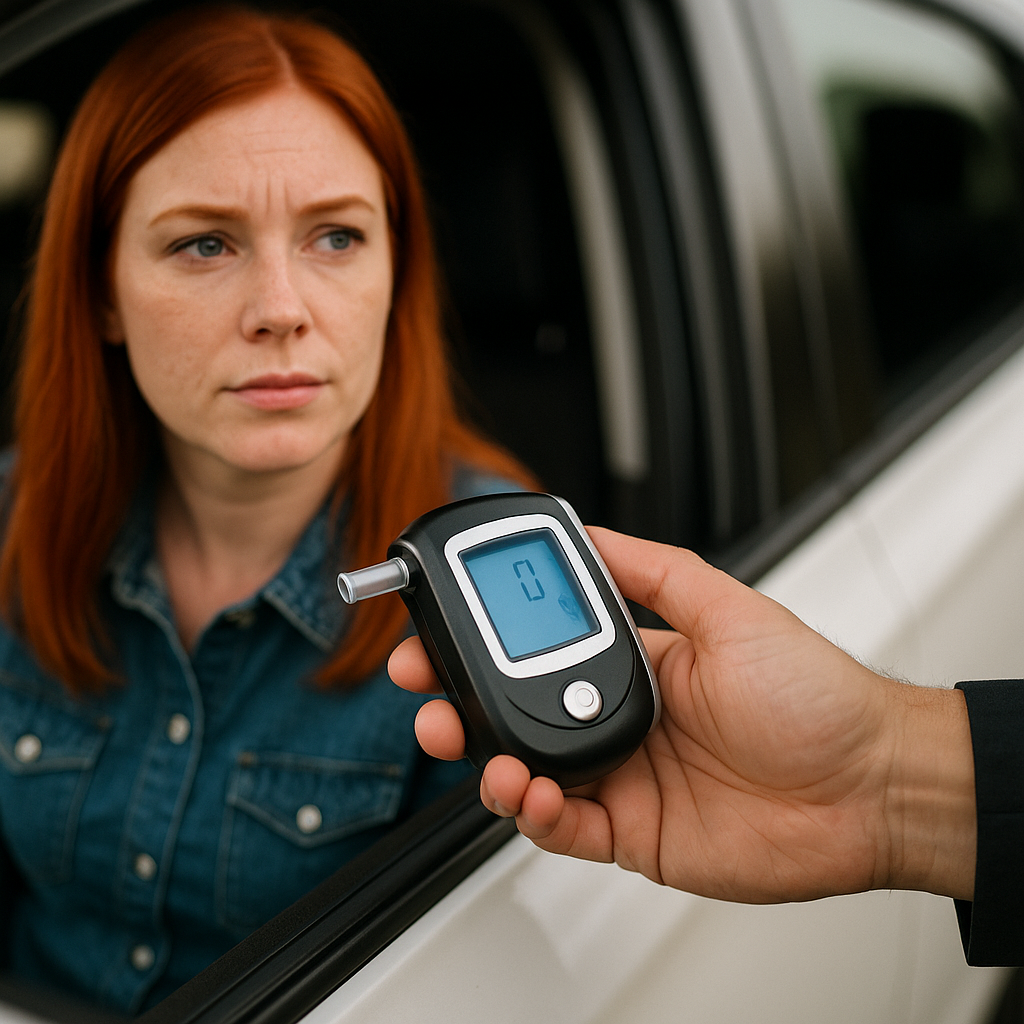
A single speeding ticket in Orlando raises rates an average of 22–29% depending on carrier, with State Farm and Geico showing the widest swings. Florida's point system adds complexity — points stay visible for three years but affect your rates differently across insurers.
How Much Your Rate Goes Up After a Speeding Ticket in Orlando
A speeding ticket in Orlando typically increases your insurance premium by 22–29% on average, but that range masks significant carrier-to-carrier variation. State Farm policyholders in Florida see average increases of 28–31% after a single speeding violation, while Progressive customers often see 18–23% hikes for the same ticket. GEICO sits in the middle at 24–27%, but their post-ticket rates often remain competitive even after the increase.
The dollar impact depends on your base rate before the ticket. If you were paying $180/month for full coverage in Orlando before the violation, expect your renewal to land between $220–232/month with most major carriers. Drivers who were already paying higher premiums due to age, vehicle type, or coverage limits will see proportionally larger dollar increases even if the percentage is the same.
Florida assigns points based on the severity of the speeding violation: 3 points for 1–9 mph over, 4 points for 10–14 mph over, and 4 points for 15+ mph over. Carriers don't use Florida's point system directly to set rates — they pull your violation history from your Motor Vehicle Report and apply their own internal rating factors. This is why two carriers can look at the same 4-point speeding ticket and produce rate increases that differ by $40/month or more. Florida's FR-44 requirements how points affect your insurance
Carrier-by-Carrier Rate Increases for Orlando Drivers
State Farm and Geico show the most volatility in how they price speeding violations in Florida. State Farm often delivers the lowest rates for clean-record drivers in Orlando, but their post-ticket increases are among the steepest — jumping from $165/month pre-ticket to $215/month post-ticket is common. GEICO's base rates tend to be slightly higher, but their post-violation increases are more moderate, making them competitive after a ticket even if they weren't the cheapest option before.
Progressive consistently shows smaller percentage increases for speeding tickets — often in the 18–22% range — which makes them a strong option for drivers who already have one violation and want to minimize the impact of a second. Their snapshot telematics program can also offset some of the rate increase if you're willing to allow monitoring, though savings vary.
National General, Dairyland, and Bristol West — all non-standard carriers with significant presence in Florida — become relevant if your ticket pushes you into multiple-violation territory or if your current carrier non-renews you. These carriers price speeding tickets less punitively than standard carriers, but their base rates are higher. A driver paying $145/month with State Farm pre-ticket might pay $265/month with National General post-ticket, even though National General's rate increase percentage is lower. Shop both standard and non-standard carriers after any violation — the cheapest option before your ticket is rarely the cheapest after. non-standard auto insurance
How Long the Rate Increase Lasts in Florida
Speeding tickets remain on your Florida driving record for three years from the date of the violation, but most carriers stop surcharging for them after 36 months. Some insurers begin reducing the surcharge incrementally at the 24-month and 30-month marks, while others apply the full increase for the entire three-year window and drop it completely once the violation ages off.
Florida's point system operates on a separate timeline: points are assessed when you're convicted (not when you're cited), and they fall off your record based on the conviction date. If you contest a ticket and the case takes six months to resolve, your three-year clock starts when the court enters the conviction — not when the officer wrote the ticket. This distinction matters because your insurance surcharge clock often starts earlier, at the violation date your insurer pulls from your MVR.
Re-shopping your policy at the 36-month mark is critical. Many carriers will continue applying a surcharge past the three-year point simply because you haven't triggered a new quote. Request a fresh quote from your current carrier at 37 months post-violation and compare it against competitors who may not be pulling a full five-year MVR. Drivers who stay passive often overpay for 6–12 months longer than necessary.
Florida Point Accumulation and License Suspension Risk
Florida suspends your license if you accumulate 12 points within 12 months, 18 points within 18 months, or 24 points within 36 months. A single speeding ticket (3–4 points) won't trigger suspension, but two speeding tickets within a year puts you at 6–8 points, and adding a careless driving citation (3 points) or an at-fault accident (3–4 points) can push you over the threshold quickly.
Once you hit 12 points in 12 months, Florida imposes a 30-day suspension. Eighteen points in 18 months triggers a three-month suspension. Twenty-four points in 36 months results in a one-year suspension. These are hard limits — no hardship exceptions for first-time accumulations. If you're sitting at 8–10 points and still driving, your insurance priority should be avoiding another citation entirely, not just finding a cheaper rate.
Florida allows drivers to elect traffic school once every 12 months (up to five times in a lifetime) to prevent points from appearing on your record. If you completed traffic school for your most recent ticket, the points don't appear on your driving record and your insurer won't surcharge you — assuming you elected the course before the court entered the conviction. This is the single highest-value action available to Florida drivers with a fresh ticket. If you've already been convicted and the points are on your record, traffic school won't remove them retroactively.
When a Speeding Ticket Triggers SR-22 in Florida
Standard speeding tickets in Florida do not require SR-22 filing. Florida mandates SR-22 (technically called an FR-44 in Florida, which requires higher liability limits) only for DUI convictions, refusal to submit to a breath test, or driving without insurance convictions. A speeding ticket — even one that adds 4 points to your record — does not trigger FR-44 unless it's combined with another offense like reckless driving or occurs while your license is already suspended.
If you receive a speeding ticket while driving on a suspended license, Florida may require FR-44 filing as part of your reinstatement. FR-44 requires minimum liability limits of 100/300/50 (compared to Florida's standard 10/20/10 requirement), and you must maintain it for three years from the reinstatement date. This distinction is critical: a speeding ticket alone doesn't put you in FR-44 territory, but a speeding ticket during a suspension period can.
Drivers who conflate speeding tickets with SR-22 or FR-44 requirements often assume they need non-standard coverage when they don't. If you received a speeding ticket and your insurer dropped you, it's typically due to multiple violations or claims within a short period — not because the ticket itself requires special filing. Standard carriers like State Farm, GEICO, and Progressive will still write you after one or two speeding tickets. You only need to explore non-standard markets if you're approaching suspension thresholds or have been non-renewed by multiple standard carriers.
What to Do After You Get a Speeding Ticket in Orlando
Request quotes from at least three carriers within 30 days of your ticket being processed. Do not wait until your renewal — most carriers will apply the surcharge at your next renewal regardless of when the ticket occurred, but you can often switch to a cheaper carrier mid-term and avoid waiting six months for relief. Progressive, GEICO, and State Farm all allow mid-term policy switches without penalty if you're moving from another carrier.
If you haven't been convicted yet and the ticket is contestable, evaluate whether traffic school or contesting the ticket makes financial sense. Florida's basic driver improvement course costs $25–40 and takes four hours online. If electing traffic school saves you a 25% rate increase on a $180/month policy, you're avoiding $540 in increased premiums over three years — a 13x return on a $40 course. Not every ticket is eligible, but speeding violations under 30 mph over the limit typically qualify.
Check your current point total through the Florida DMV online portal before deciding whether to contest or accept the ticket. If you're already at 6–8 points, the difference between a 3-point and 4-point speeding ticket is less relevant than keeping any additional points off your record entirely. Drivers near the suspension threshold should prioritize traffic school eligibility over fine amount — paying a higher fine to preserve your traffic school option is often worth it.