
When Do Points From a DUI Fall Off in Pennsylvania?
Free to compare
Pennsylvania DUI Convictions Carry Zero Points But Stay on Your Record Forever
Pennsylvania assigns zero points for DUI convictions under the state's point system. The Pennsylvania Department of Transportation maintains a separate offense-based record for DUI convictions that remains on your driving record permanently.
This permanence matters because insurance carriers review your complete driving history during underwriting, not just active points. A DUI conviction from 10 years ago still appears on background checks and carrier queries. Points-based violations like speeding tickets fall off after accumulation date plus one year for insurance surcharge purposes in Pennsylvania, but DUI convictions follow a different timeline entirely.
The absence of points does not mean the violation is minor. Pennsylvania law treats DUI as a serious offense requiring license suspension, potential SR-22 filing, and mandatory participation in the Alcohol Highway Safety School program before reinstatement.

Insurance Carriers Surcharge DUI Convictions for 3 to 5 Years Regardless of DMV Record
Most carriers in Pennsylvania apply DUI surcharges for 3 to 5 years from the conviction date. Progressive and Geico typically surcharge for 3 years. State Farm and Nationwide commonly extend surcharges to 5 years. The carrier's underwriting guidelines determine the surcharge period, not the Pennsylvania DMV.
A first-offense DUI conviction in Pennsylvania typically increases insurance premiums by 80% to 120% at renewal. A driver paying $140 per month before conviction can expect quotes between $250 and $310 per month after conviction. These increases persist for the full surcharge window even if you complete all reinstatement requirements within months.
The surcharge clock starts at conviction date, not filing date or reinstatement date. A DUI conviction on March 15, 2023, with a carrier applying a 3-year surcharge will expire March 15, 2026, even if license reinstatement occurred months earlier. Completing your Alcohol Highway Safety School course and reinstating your license does not reset or shorten the insurance surcharge timeline.

SR-22 Filing Lasts One Year in Pennsylvania for First-Offense DUI
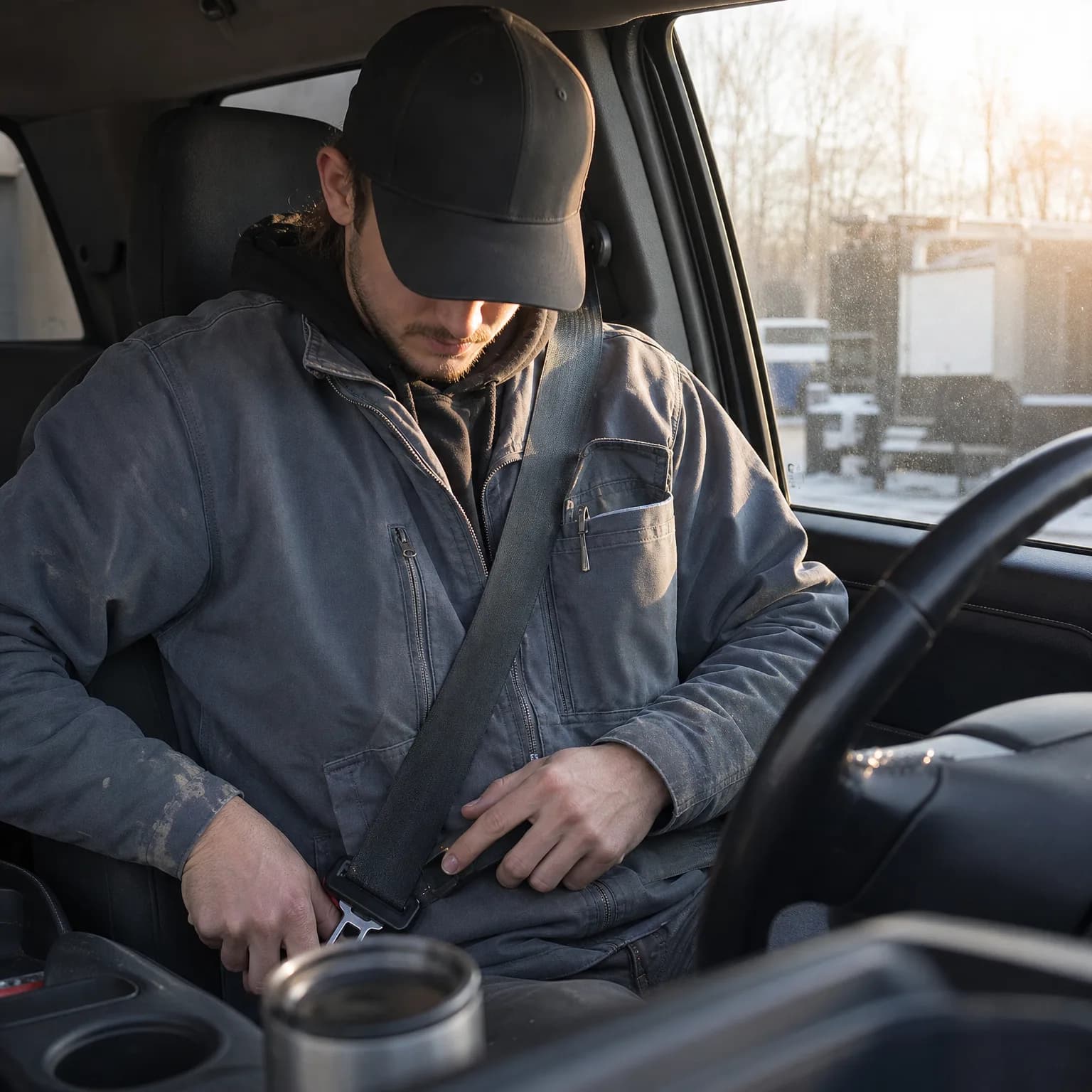
Pennsylvania requires SR-22 filing for first-offense DUI convictions for a minimum of 1 year from reinstatement. Your carrier files the SR-22 certificate with PennDOT to verify continuous coverage. The filing requirement begins only after you complete your suspension period and reinstatement process.
SR-22 filing itself adds $15 to $25 per year in administrative fees from most carriers. The rate increase comes from the underlying DUI conviction, not the filing. Some carriers decline to write SR-22 policies entirely, forcing first-offense DUI drivers into the non-standard market where State Farm, Geico, and Progressive typically do not compete.
The 1-year SR-22 requirement runs independently of the insurance surcharge timeline. A driver with a 3-year carrier surcharge can satisfy the SR-22 filing requirement after 1 year but will continue paying elevated premiums for the remaining 2 years of the surcharge window.

Find the Insurers That Still Want Your Business
See Carriers That Cover YouLicense Suspension Ranges From 12 to 18 Months for First-Offense DUI in Pennsylvania
Pennsylvania imposes a 12-month license suspension for first-offense DUI with a BAC of 0.08% to 0.099%. The suspension extends to 12 to 18 months for BAC of 0.10% to 0.159%, and 18 months for BAC of 0.16% or higher or refusal to submit to chemical testing.
No restricted or hardship license is available during the suspension period for first-offense DUI in Pennsylvania. You cannot drive for work, medical appointments, or any other purpose during the suspension. This restriction distinguishes DUI suspensions from points-triggered suspensions, where Pennsylvania may issue an occupational limited license after a waiting period.
Reinstatement requires completion of the Alcohol Highway Safety School program, payment of a $500 restoration fee, and SR-22 filing proof before PennDOT will restore full driving privileges. Most carriers will not issue an SR-22 policy until you provide proof of Alcohol Highway Safety School completion.

Shopping Carriers After Year 3 Drops Rates Faster Than Waiting for Year 5
Carriers applying 5-year surcharges rarely reduce premiums at the 3-year mark, but carriers with 3-year surcharge windows will quote you at standard rates once the conviction ages past their lookback period. A driver currently paying $280 per month with a carrier applying a 5-year surcharge can often secure quotes between $150 and $180 per month at year 3 by switching to a carrier with a shorter lookback.
Progressive and Geico typically apply 3-year lookback windows for first-offense DUI in Pennsylvania. State Farm and Nationwide extend to 5 years. Erie Insurance and Nationwide apply intermediate 4-year windows depending on underwriting tier. Shopping at the 3-year anniversary after conviction allows access to carriers whose surcharge period has expired.
Carriers do not notify you when your surcharge period ends. Your premium at renewal will reflect continued surcharging until you request a re-rate or switch carriers. Proactive shopping at year 3 recovers rate savings 2 years earlier than waiting for a 5-year carrier to naturally expire the surcharge.

Second DUI Convictions Trigger Lifetime License Revocation and 18-Month SR-22 Filing
Pennsylvania revokes driving privileges for 18 months for second-offense DUI convictions within 10 years of the first conviction. Reinstatement after second offense requires Alcohol Highway Safety School completion, CRN evaluation, possible ignition interlock installation, payment of $1,000 restoration fee, and 18 months of SR-22 filing.
Insurance availability narrows significantly after second offense. Most standard and preferred carriers decline second-offense DUI applicants outright. Non-standard carriers like The General, Bristol West, and Dairyland become primary options, with monthly premiums typically ranging from $350 to $500 for minimum liability coverage under current state requirements.
Second-offense DUI surcharges persist for 5 to 10 years depending on carrier. Some carriers apply permanent surcharges or decline renewal entirely once the second conviction appears on the driving record. Rate recovery after second offense follows a much longer timeline and often requires maintaining SR-22 filing and clean driving record for 3 years post-reinstatement before standard carriers will quote.
Frequently Asked Questions
Do DUI convictions add points to my Pennsylvania driving record?
No. Pennsylvania assigns zero points for DUI convictions under the state point system. The conviction remains on your driving record permanently and affects insurance rates for 3 to 5 years depending on carrier, but does not add points that count toward license suspension thresholds.
How long does SR-22 filing last after a DUI in Pennsylvania?
Pennsylvania requires SR-22 filing for 1 year after license reinstatement for first-offense DUI and 18 months for second-offense DUI. The filing requirement begins only after you complete your suspension period and satisfy all reinstatement conditions including Alcohol Highway Safety School and restoration fees.
When will my insurance rates drop after a Pennsylvania DUI?
Most carriers surcharge DUI convictions for 3 to 5 years from conviction date. Progressive and Geico typically apply 3-year surcharges while State Farm and Nationwide extend to 5 years. Shopping carriers at the 3-year mark often recovers lower rates 2 years earlier than waiting for a 5-year carrier to expire the surcharge.
Can I get a hardship license during a DUI suspension in Pennsylvania?
No. Pennsylvania does not offer restricted or hardship licenses during DUI suspensions. You cannot drive for any purpose including work or medical appointments during the 12- to 18-month suspension period for first-offense DUI.
How much does insurance increase after a DUI in Pennsylvania?
First-offense DUI convictions typically increase premiums by 80% to 120% at renewal. A driver paying $140 per month before conviction can expect quotes between $250 and $310 per month after conviction, with increases persisting for 3 to 5 years depending on carrier surcharge schedules.
Related Articles

How Many Points Is a DUI in Pennsylvania?
5/15/2026
Auto Insurance With Points After a DUI in Pennsylvania
5/15/2026

How Long Points Stay on Record in Pennsylvania
5/15/2026

How Long Points Stay on Your Record in Pennsylvania
5/15/2026

Rate Recovery Timeline After DUI in Pennsylvania
5/15/2026

Car Insurance After a DUI in Pennsylvania: Rates
5/15/2026