What Affects Rates in Anchorage
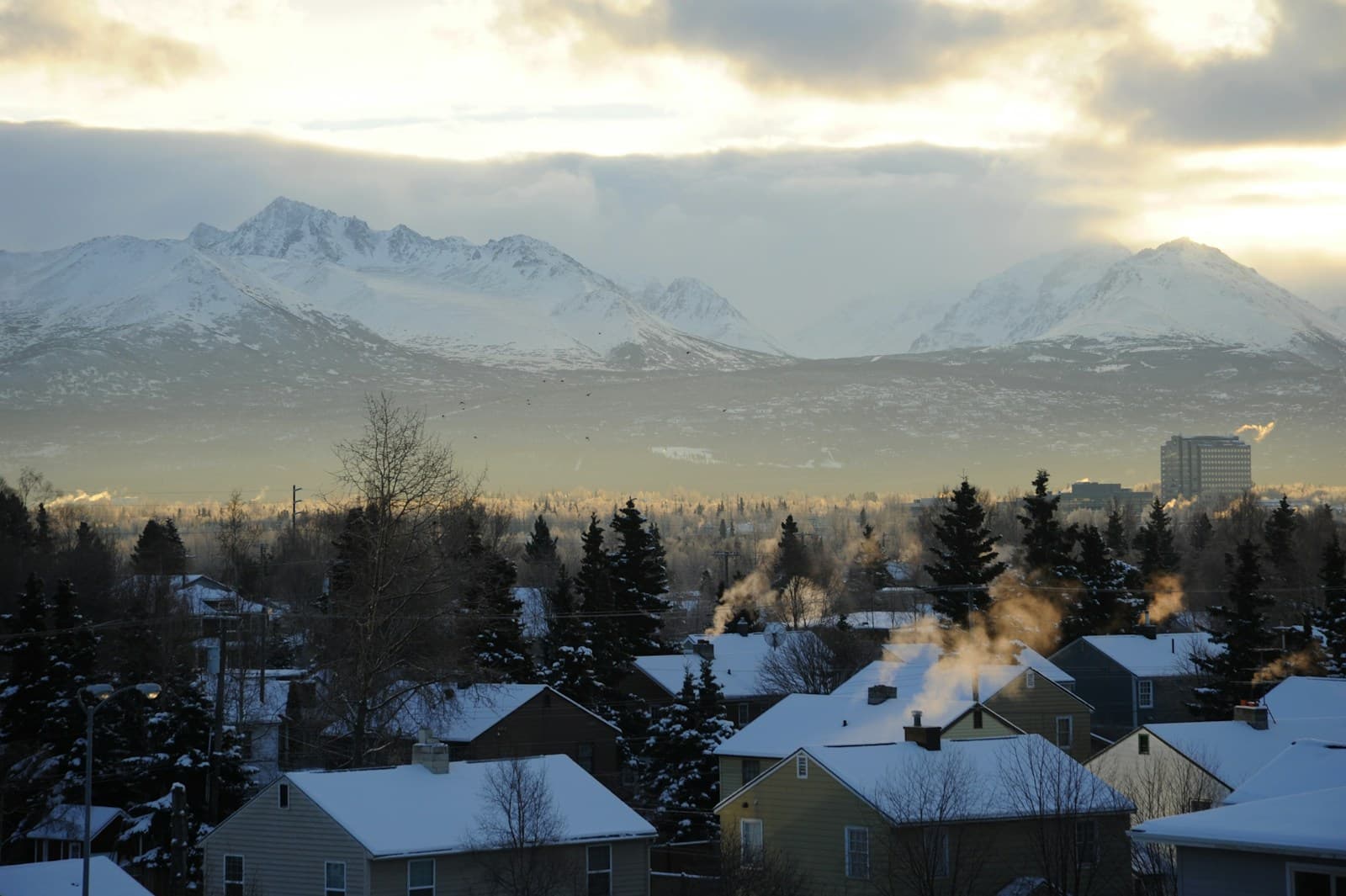
- Winter Weather Driving Hazards: Anchorage averages 75 inches of snow annually with icy road conditions from October through April, contributing to higher accident frequency and severity. High-risk drivers already flagged for violations face steeper premiums due to insurers factoring in winter crash likelihood.
- High Uninsured Motorist Rate: Alaska's uninsured driver rate of 13.8% is above the national average, concentrating risk in urban areas like Anchorage. Carriers price uninsured motorist coverage aggressively for high-risk policies to offset collision exposure from uninsured at-fault drivers.
- Urban Traffic Density on Limited Routes: Anchorage funnels most commuter traffic through the Glenn and Seward Highways, creating congestion and rear-end collision clusters during winter commutes. Drivers with prior at-fault accidents see rate increases amplified by high localized claim frequency on these corridors.
- Limited Carrier Competition for Non-Standard Risk: Fewer national carriers underwrite high-risk policies in Alaska compared to Lower 48 urban markets, reducing competitive pricing pressure. Drivers with SR-22 or major violations often rely on regional non-standard carriers or state-assigned risk pools with higher baseline premiums.
- Moose and Wildlife Collision Risk: Anchorage and surrounding highways report frequent moose-vehicle collisions, particularly during dawn and dusk hours. Comprehensive claims from wildlife strikes add to loss histories, and high-risk drivers may see comprehensive premiums increase alongside liability costs.
Compare rates from carriers that work with drivers who have points
Standard carriers surcharge heavily after violations. These specialists price your specific record differently.
Get Your Free QuoteCoverage Recommendations
Cost estimates are based on available industry data and vary by driver profile. These are not insurance quotes.
SR-22 Insurance
Alaska requires SR-22 for DUI convictions, refusing a breath test, driving without insurance, or accumulating too many points within 12 months. The SR-22 certificate itself costs $50 and proves you carry minimum liability of 50/100/25; premiums behind it range $150–$280/month for full coverage depending on violation severity and carrier.
$50 filing + elevated premiumsEstimated range only. Not a quote.
Liability Insurance
Alaska's minimum required liability is $50,000 bodily injury per person, $100,000 per accident, and $25,000 property damage. High-risk drivers in Anchorage often pay $90–$160/month for state minimum liability alone due to winter accident exposure and elevated uninsured motorist rates.
$90–$160/mo for minimumsEstimated range only. Not a quote.
Full Coverage
Combining liability, collision, and comprehensive is essential in Anchorage given icy road conditions and moose collision frequency. High-risk drivers with DUI or multiple violations typically pay $150–$280/month for full coverage, with collision and comprehensive deductibles of $500–$1,000 standard.
$150–$280/mo post-violationEstimated range only. Not a quote.
Uninsured Motorist Coverage
With 13.8% of Alaska drivers uninsured and winter conditions increasing crash risk, uninsured motorist coverage is critical in Anchorage. High-risk policies build in higher UM premiums to offset the likelihood of claims against uninsured at-fault drivers on icy highways.
Elevated in high-risk policiesEstimated range only. Not a quote.