What Affects Rates in Fairbanks
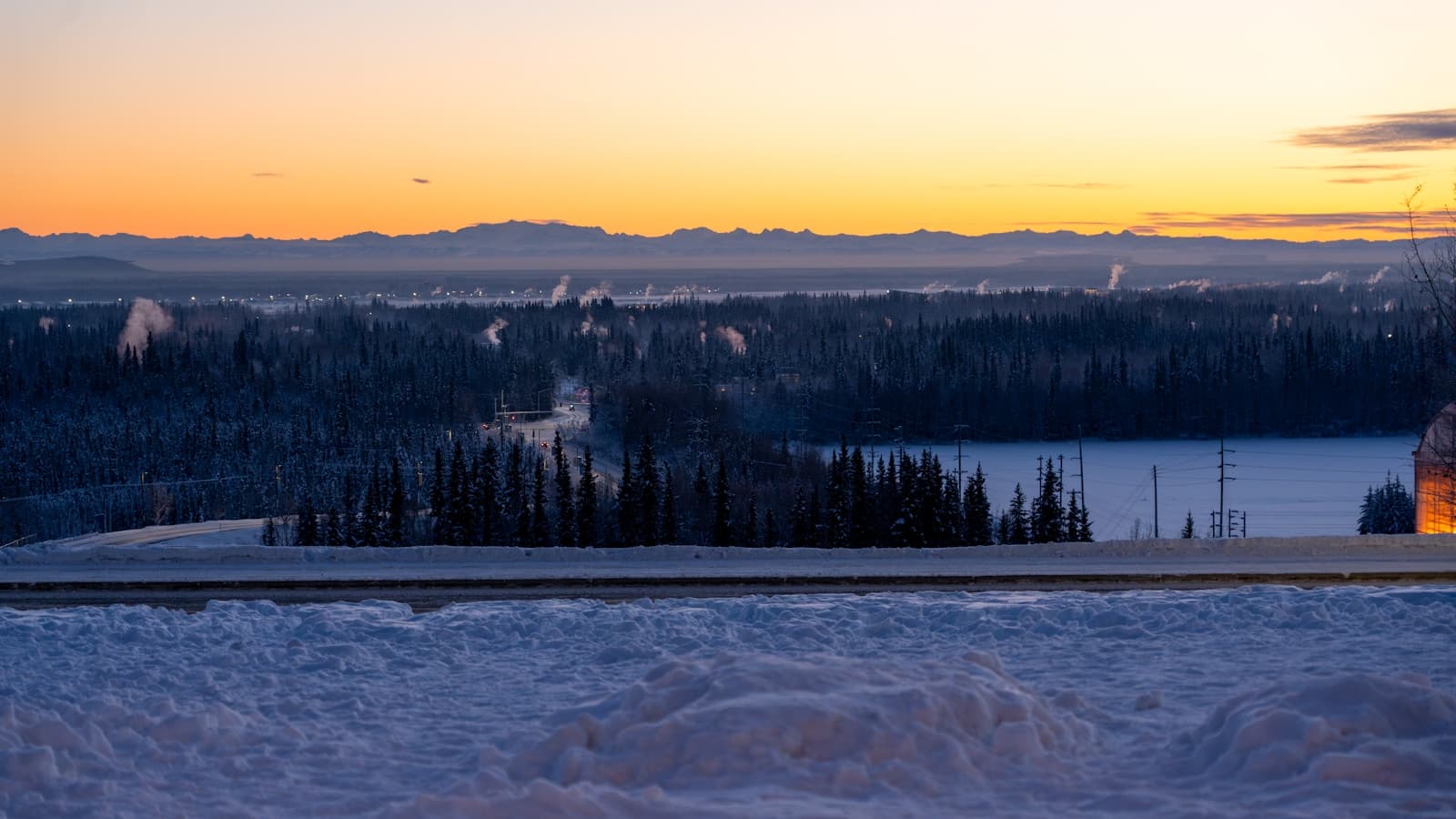
- Extreme Winter Driving Conditions: Fairbanks experiences temperatures below -40°F and persistent ice from October through April, creating hazardous road conditions that increase accident frequency. Drivers with prior at-fault accidents or reckless driving citations face steeper rate increases here than in milder climates, as carriers price in the elevated risk of repeat claims during winter months.
- Limited Carrier Competition: Fairbanks has fewer non-standard auto insurers willing to write policies than Anchorage or other Alaska cities, reducing options for drivers with DUIs, suspensions, or multiple violations. This limited market often results in 15–25% higher premiums compared to urban areas with more carrier availability.
- Rural Road Network and Response Times: Many Fairbanks-area roads lack frequent patrol presence and emergency response times can exceed 30 minutes outside city limits, increasing claim severity. Drivers with lapses or SR-22 requirements often see comprehensive and collision coverage priced 20–35% higher due to delayed accident reporting and vehicle recovery challenges.
- Uninsured Motorist Prevalence: Alaska's uninsured driver rate is approximately 16–18%, above the national average, with rural areas around Fairbanks showing higher concentrations. High-risk drivers should prioritize uninsured motorist coverage, as collision with an uninsured driver can trigger rate increases even when not at fault.
- DUI Enforcement and Court System: Alaska imposes mandatory SR-22 filing for DUI convictions, with Fairbanks courts typically requiring the full 3-year period without early termination. First-offense DUI drivers in Fairbanks can expect insurance premiums to triple or quadruple during the SR-22 period, with some carriers declining coverage entirely.
Compare rates from carriers that work with drivers who have points
Standard carriers surcharge heavily after violations. These specialists price your specific record differently.
Get Your Free QuoteCoverage Recommendations
Cost estimates are based on available industry data and vary by driver profile. These are not insurance quotes.
SR-22 Insurance
Alaska requires SR-22 filing for DUI convictions, license suspensions for points accumulation, and certain repeat violations. The $50 filing fee is due upfront, and continuous coverage must be maintained for 3 years—any lapse triggers a restart of the filing period and potential license re-suspension.
$50 filing + 150–250% premium increaseEstimated range only. Not a quote.
Liability Insurance
Alaska mandates $50,000 bodily injury per person, $100,000 per accident, and $25,000 property damage. High-risk drivers in Fairbanks typically pay $110–$190/month for state minimum liability, with winter accident rates pushing costs toward the higher end of that range.
$110–$190/month for state minimumsEstimated range only. Not a quote.
Uninsured Motorist Coverage
With Alaska's uninsured driver rate around 16–18%, this coverage protects high-risk drivers from rate spikes following collisions with uninsured motorists. Fairbanks-area carriers often price this at $20–$45/month additional, a worthwhile investment given the rural driving environment and limited enforcement.
$20–$45/month additionalEstimated range only. Not a quote.
Full Coverage
Comprehensive and collision coverage in Fairbanks costs $75–$150/month more than liability-only for high-risk drivers, with rates inflated by harsh winter conditions and higher claim frequency. Drivers with financed vehicles or recent at-fault accidents should compare quotes from non-standard carriers specializing in winter-climate risk.
+$75–$150/month over liabilityEstimated range only. Not a quote.