What Affects Rates in Ketchikan
- Isolated Market with Few Carriers: Ketchikan's geographic isolation limits the number of carriers writing high-risk policies locally, reducing competitive pressure that typically lowers premiums in mainland markets. Drivers often rely on non-standard carriers operating statewide or nationally, with quotes submitted remotely rather than through local agents.
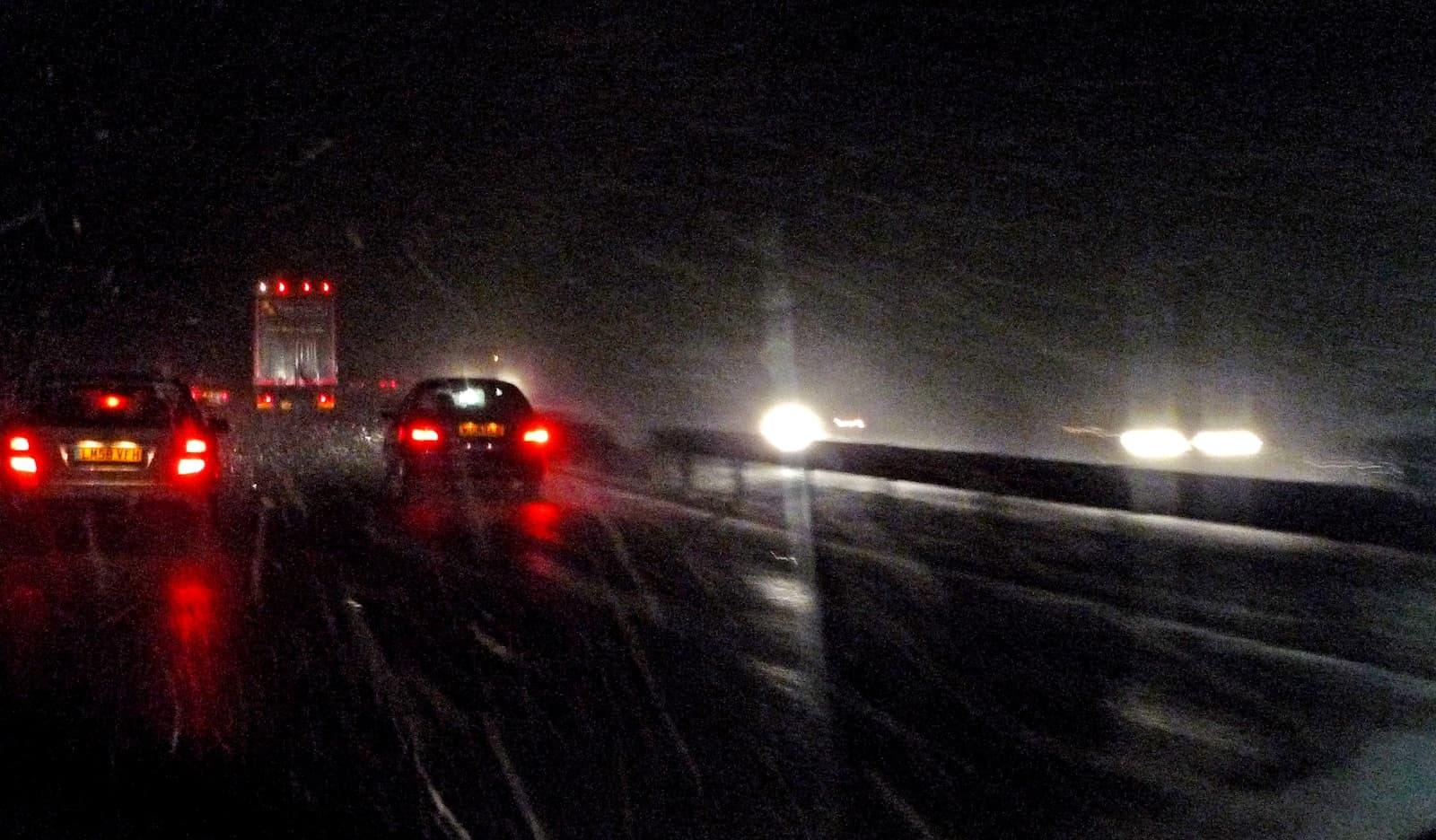
- Year-Round Precipitation and Ice Conditions: Ketchikan receives over 150 inches of rain annually and frequent winter ice on roads like Tongass Avenue and North Tongass Highway. High-risk drivers with prior at-fault accidents face steeper comprehensive and collision premiums due to elevated weather-related claim frequency in the region.
- High Uninsured Motorist Rate in Alaska: Alaska's uninsured motorist rate hovers near 17–20%, among the highest in the U.S. For high-risk drivers, uninsured motorist coverage becomes more expensive but essential, particularly in Ketchikan where the small population and transient summer workforce can complicate post-accident recovery.
- Ferry-Dependent Travel and Limited Road Network: Ketchikan's 30-mile road system and reliance on ferry or air travel for mainland access mean most driving is concentrated on a narrow corridor. Higher traffic density on Tongass Highway during commute hours increases accident exposure for drivers already flagged as high-risk.
- DUI Enforcement and BAC Thresholds: Alaska enforces a 0.08% BAC limit (0.04% for commercial drivers), and Ketchikan's Alaska State Troopers conduct regular impaired-driving checkpoints, particularly near downtown and cruise ship terminals. A DUI conviction triggers mandatory SR-22 filing, a 90-day minimum license revocation, and ignition interlock requirements for most offenders.
Compare rates from carriers that work with drivers who have points
Standard carriers surcharge heavily after violations. These specialists price your specific record differently.
Get Your Free QuoteCoverage Recommendations
Cost estimates are based on available industry data and vary by driver profile. These are not insurance quotes.
SR-22 Insurance
Alaska requires SR-22 for DUI convictions, refusal to submit to chemical testing, accumulating 12 points in 12 months, or certain license suspensions. The SR-22 certificate itself costs around $50 to file, but underlying liability premiums jump 60–140% depending on the violation; coverage must remain continuous for 3 years or the clock resets.
$185–$340/mo including SR-22Estimated range only. Not a quote.
Liability Insurance
Alaska's minimum liability limits are $50,000 bodily injury per person, $100,000 per accident, and $25,000 property damage. High-risk drivers in Ketchikan often see liability-only premiums in the $120–$210/month range, with higher limits (100/300/100) recommended given the state's at-fault system and limited healthcare provider networks in remote areas.
$120–$210/mo liability-onlyEstimated range only. Not a quote.
Uninsured Motorist Coverage
With Alaska's uninsured rate near 17–20%, uninsured/underinsured motorist coverage is critical for high-risk drivers who may already face claim denials or higher deductibles. Ketchikan's small population and seasonal workforce fluctuations increase the likelihood of encountering an uninsured driver, making this coverage a cost-effective risk transfer.
Adds $20–$50/mo to policyEstimated range only. Not a quote.
Full Coverage
Full coverage (liability + collision + comprehensive) for high-risk drivers in Ketchikan typically ranges from $240–$400/month, reflecting the cost of collision coverage in a high-precipitation, ice-prone environment and comprehensive coverage for wildlife strikes (moose, deer, and black bears are common on Tongass Highway). Lenders require full coverage for financed vehicles regardless of driver history.
$240–$400/mo with violationsEstimated range only. Not a quote.