What Affects Rates in Phoenix
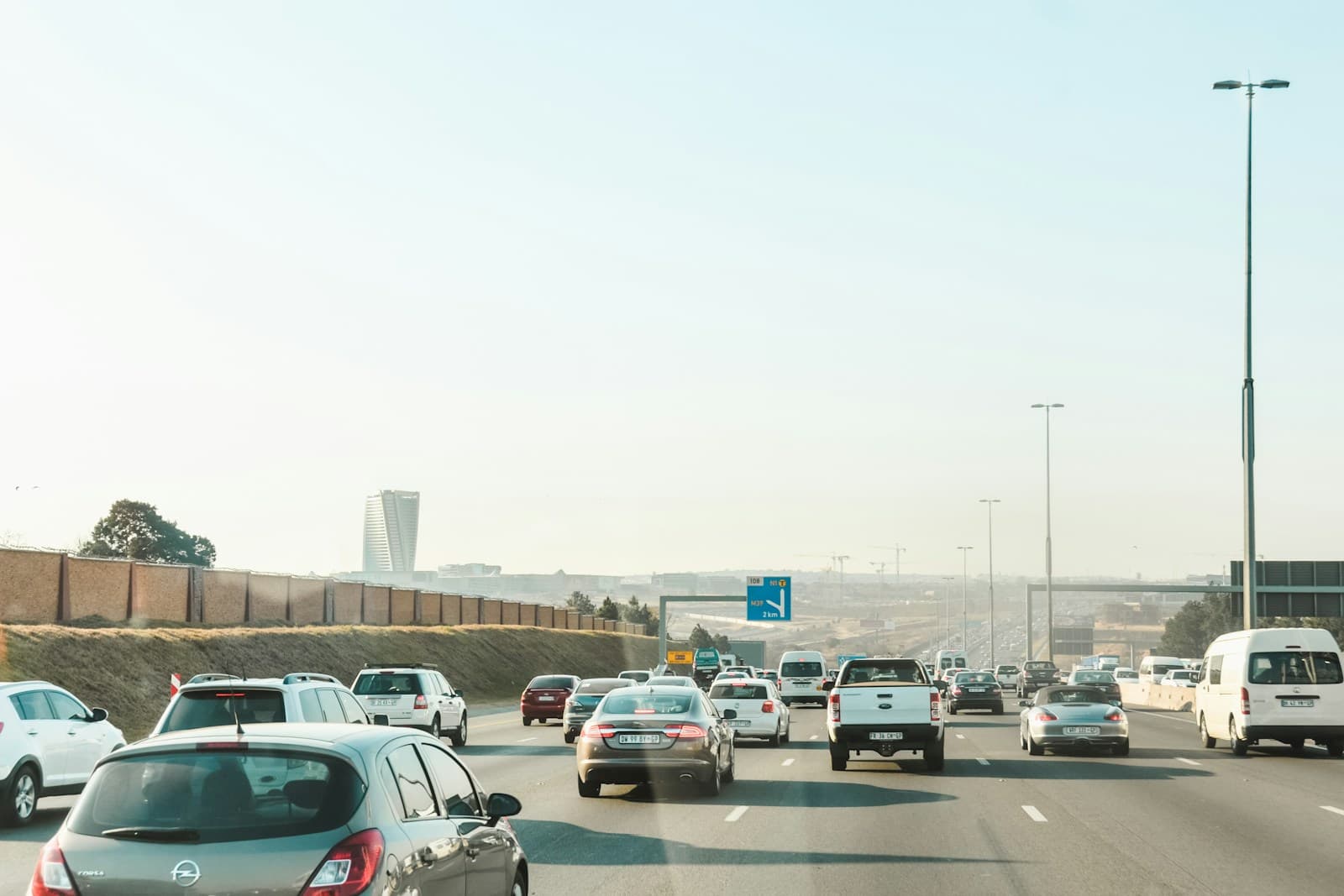
- Urban Corridor Density: Phoenix's sprawling freeway system—I-10, I-17, Loop 101, and Loop 202—sees high collision rates during rush hours, particularly near downtown and Tempe interchanges. High-risk drivers in 85004, 85006, and 85007 zip codes often face steeper premiums due to concentrated accident frequency and uninsured motorist claims in these central corridors.
- Heat-Related Incidents: Summer temperatures exceeding 115°F contribute to tire blowouts, road rage incidents, and impaired judgment crashes on Phoenix metro roadways. Insurers factor seasonal claim spikes into high-risk underwriting, especially for drivers with prior at-fault accidents or reckless driving citations during June–August.
- Uninsured Driver Concentration: Arizona's uninsured motorist rate hovers near 13%, with higher concentrations in certain Phoenix neighborhoods. High-risk drivers already facing elevated premiums see additional cost pressure for uninsured/underinsured motorist coverage, which is essential in at-fault claims where the other party lacks insurance.
- DUI Enforcement Zones: Maricopa County runs frequent DUI task forces on Scottsdale Road, Mill Avenue, and downtown Phoenix corridors. A DUI conviction triggers mandatory SR-22 filing, ignition interlock requirements, and premium increases of 80–150% for three to five years, with Phoenix-area insurers applying stricter underwriting than rural Arizona carriers.
- Point Accumulation Threshold: Arizona suspends licenses at 8 points in 12 months (ages 18+) or 13 points in 24 months. Common violations—speeding 20+ mph over (3 points), reckless driving (8 points), at-fault accidents (2–4 points)—accumulate quickly on Phoenix metro roadways. Points remain on your MVR for 12 months from violation date, but insurers typically review 3–5 years of history when rating high-risk policies.
Compare rates from carriers that work with drivers who have points
Standard carriers surcharge heavily after violations. These specialists price your specific record differently.
Get Your Free QuoteCoverage Recommendations
Cost estimates are based on available industry data and vary by driver profile. These are not insurance quotes.
SR-22 Insurance
SR-22 is a certificate proving you carry Arizona's minimum liability ($25,000/$50,000/$15,000). Required after DUI, reckless driving, driving without insurance, or license suspension. Filed by your insurer with ADOT for $25; lapses trigger license re-suspension. In Phoenix, non-standard carriers like Bristol West, Acceptance, and Direct Auto often provide better SR-22 rates than standard carriers who may non-renew high-risk policies.
$180–$350/month with violationsEstimated range only. Not a quote.
Liability Insurance
Arizona's minimum liability—$25,000 per person, $50,000 per accident, $15,000 property damage—is mandatory but insufficient in serious Phoenix crashes. High-risk drivers should consider 50/100/25 or 100/300/50 limits; at-fault accidents with inadequate coverage can lead to personal asset exposure and further license sanctions. Premiums increase 40–80% after an at-fault claim.
Increases 40–80% after at-fault accidentEstimated range only. Not a quote.
Uninsured Motorist Coverage
With 13% of Arizona drivers uninsured, UM/UIM coverage protects you when hit by an uninsured or underinsured driver—common in Phoenix metro. High-risk drivers are disproportionately affected by uninsured claims; adding UM coverage typically costs $10–$25/month but prevents out-of-pocket medical and repair costs if the at-fault party lacks insurance.
$10–$25/month additionalEstimated range only. Not a quote.
Non-Standard Auto Insurance
Non-standard carriers specialize in high-risk drivers: those with DUIs, suspensions, lapses, or multiple violations. In Phoenix, carriers like The General, Acceptance, Bristol West, and Dairyland offer policies when standard insurers non-renew. Rates are higher but negotiable; comparing three or more non-standard quotes can yield savings of 20–40% for the same coverage.
Shop 3+ carriers to save 20–40%Estimated range only. Not a quote.