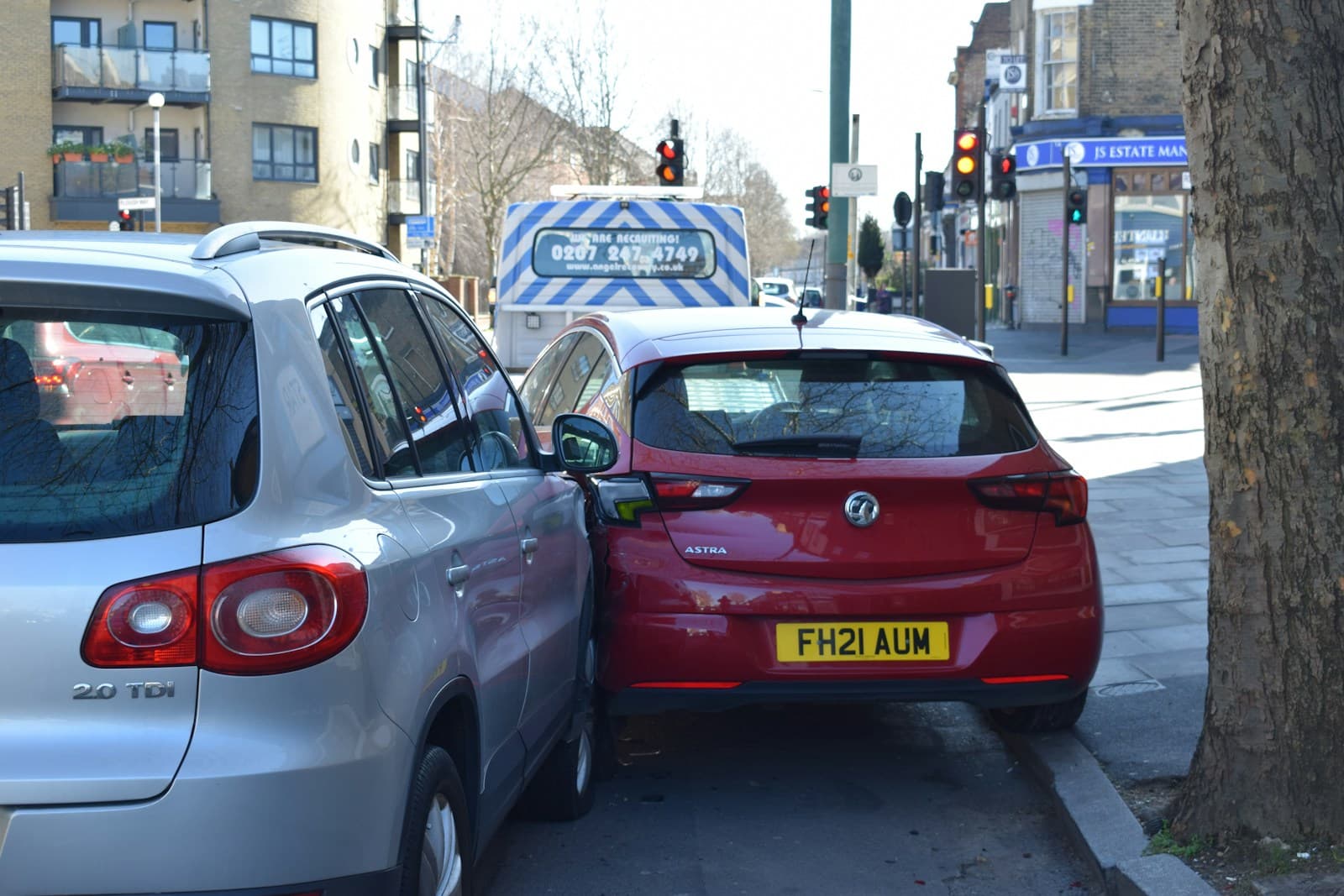
What Affects Rates in Fayetteville
- University District Traffic Density: Fayetteville's concentrated student population around the University of Arkansas creates elevated collision frequency on Dickson Street, MLK Boulevard, and Garland Avenue. High-risk drivers in the 72701 and 72703 zip codes see premiums 12–18% above county averages due to stop-and-go congestion and frequent minor accidents in campus zones.
- I-49 Corridor Accident Rates: The I-49 corridor through Fayetteville, especially near the Highway 16 and Highway 112 interchanges, records higher-than-average rear-end and merge-related collisions during commute hours. Drivers with at-fault accidents on record face steeper increases here than in less congested Northwest Arkansas cities.
- Uninsured Driver Concentration: Arkansas ranks among the top 10 states for uninsured motorist rates at approximately 16%, and Fayetteville's transient student and immigrant populations contribute to localized pockets of uninsured driving. High-risk drivers without uninsured motorist coverage face significant out-of-pocket exposure in hit-and-run or underinsured scenarios.
- Washington County Court Processing: SR-22 filings processed through Washington County Circuit Court follow Arkansas's mandatory 3-year monitoring period, with no early termination available. Drivers must maintain continuous coverage without lapses—any gap triggers notification to the Arkansas DFA and extends the filing requirement from the lapse date.
- Winter Weather Impact: Fayetteville's hilly terrain combined with occasional ice storms in December through February increases accident risk for drivers unfamiliar with seasonal conditions. High-risk drivers with prior at-fault accidents see larger rate increases after winter weather claims than clean-record drivers.

Compare rates from carriers that work with drivers who have points
Standard carriers surcharge heavily after violations. These specialists price your specific record differently.
Get Your Free QuoteCoverage Recommendations
Cost estimates are based on available industry data and vary by driver profile. These are not insurance quotes.
SR-22 Insurance
Arkansas requires SR-22 for DUI convictions, driving without insurance, excessive points (14+ in 3 years), and license reinstatement after suspension. The SR-22 itself is a certificate filed by your insurer with the Arkansas DFA—not a separate policy—and costs $25–$50 to file, with the 3-year monitoring period requiring continuous coverage without any lapses.
$25–$50 filing + higher premiumsEstimated range only. Not a quote.
Liability Insurance
Arkansas requires minimum liability limits of 25/50/25 ($25k per person, $50k per accident for bodily injury, $25k for property damage). High-risk drivers in Fayetteville pay $900–$1,800/year for state minimum liability, but carrying only minimums leaves you exposed in serious accidents—Washington County injury settlements routinely exceed $25k.
$900–$1,800/year for minimumsEstimated range only. Not a quote.
Uninsured Motorist Coverage
With Arkansas's 16% uninsured driver rate and Fayetteville's transient population, uninsured motorist coverage protects you when hit by a driver with no insurance or insufficient limits. This coverage is especially critical for high-risk drivers who cannot afford out-of-pocket costs after a non-fault accident.
Adds $150–$400/year to premiumEstimated range only. Not a quote.
Full Coverage
Full coverage (liability + collision + comprehensive) in Fayetteville costs high-risk drivers $2,400–$4,800/year depending on violation severity and vehicle value. Collision coverage is required by lenders if you finance a vehicle, and comprehensive protects against theft and storm damage—relevant given Fayetteville's severe weather exposure.
$2,400–$4,800/yearEstimated range only. Not a quote.