What Affects Rates in New Haven
- I-95 and I-91 Corridor Traffic: New Haven sits at the convergence of I-95 and I-91, creating high-density commuter traffic and elevated accident frequency. Drivers with existing violations face steeper rate increases here than in less congested Connecticut cities, as insurers weight accident probability heavily in urban corridors.
- New Haven Superior Court Processing Times: DUI and reckless driving cases processed through New Haven Superior Court can take 6–12 months to resolve, during which SR-22 requirements and high-risk classifications remain active. Delays in court disposition extend the period drivers pay elevated premiums before any potential reduction or dismissal.
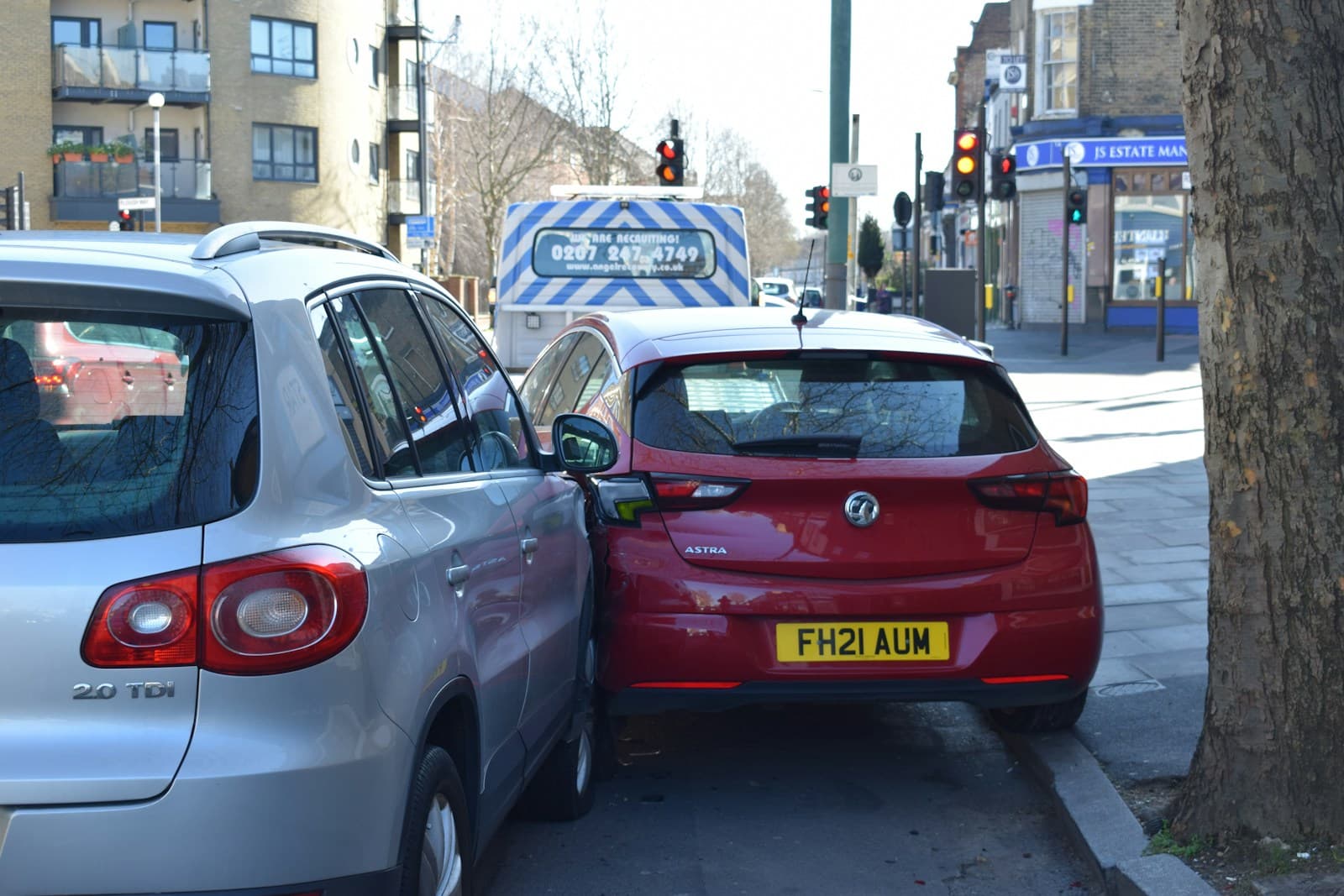
- Downtown Parking and Collision Density: New Haven's compact downtown grid and Yale University area generate high rates of low-speed collisions and parking-related incidents. Drivers with at-fault accidents already on record see compounded rate increases, as insurers view urban parking environments as ongoing risk factors.
- Connecticut Uninsured Motorist Rate: Connecticut's 11.5% uninsured motorist rate is above the national average, with New Haven's urban core seeing concentrations at the higher end. High-risk drivers already paying elevated premiums face additional costs for uninsured motorist coverage, which becomes essential in areas with higher uninsured driver populations.
- Coastal Weather and Comprehensive Claims: New Haven's coastal location brings higher frequency of storm damage, flooding, and salt-related vehicle corrosion. Drivers with violations who carry comprehensive coverage pay more due to the combined risk profile, as insurers layer weather-related claim probability onto existing high-risk status.

Compare rates from carriers that work with drivers who have points
Standard carriers surcharge heavily after violations. These specialists price your specific record differently.
Get Your Free QuoteCoverage Recommendations
Cost estimates are based on available industry data and vary by driver profile. These are not insurance quotes.
SR-22 Insurance
Required in Connecticut for DUI convictions, reckless driving, driving without insurance, or license suspensions. The SR-22 is a certificate your insurer files with the Connecticut DMV proving you carry at least state minimum liability ($25,000/$50,000/$25,000). The filing itself costs around $50, but expect premiums of $180–$310/month due to the underlying violation.
$50 filing fee + high-risk premiumsEstimated range only. Not a quote.
Liability Insurance
Connecticut mandates $25,000 per person/$50,000 per accident for bodily injury and $25,000 for property damage. High-risk drivers in New Haven should consider higher limits ($100,000/$300,000/$100,000) given the city's traffic density and lawsuit potential, though this increases monthly costs by $30–$60.
$90–$180/month for state minimumsEstimated range only. Not a quote.
Uninsured Motorist Coverage
With Connecticut's 11.5% uninsured rate and New Haven's urban concentration of uninsured drivers, this coverage protects you when hit by a driver with no insurance. High-risk drivers already face elevated premiums, but uninsured motorist coverage adds $15–$40/month and prevents out-of-pocket costs after an accident with an uninsured driver.
$15–$40/month additionalEstimated range only. Not a quote.
Non-Standard Auto Insurance
Carriers like The General, Direct Auto, and Acceptance specialize in drivers with violations, DUIs, or lapses in New Haven. Non-standard policies cost 40–70% more than standard rates but provide coverage when preferred carriers decline. Shop multiple non-standard carriers, as rates vary widely even within this market segment.
$180–$310/month typical rangeEstimated range only. Not a quote.