What Affects Rates in Norwalk
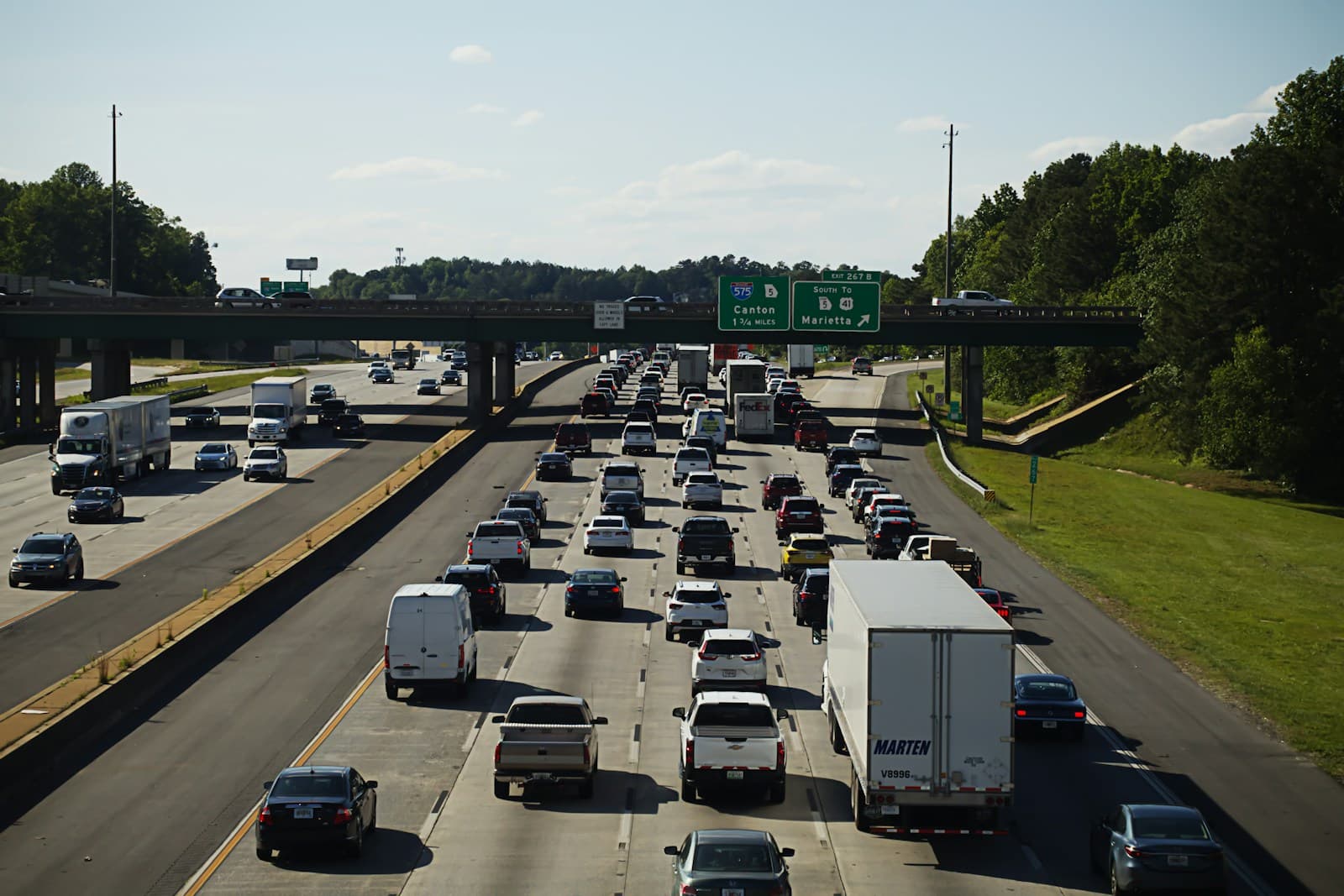
- I-95 and Route 7 Accident Density: Norwalk sits at the intersection of I-95 and Route 7, both high-volume corridors with elevated rear-end and merge collision rates during peak commute hours. Drivers with at-fault accidents here face steeper surcharges due to repeat-incident probability modeling used by carriers in dense traffic zones.
- Fairfield County Urban Density Premium: As part of the New York metro corridor, Norwalk's population density and traffic volume push base rates 15–25% higher than rural Connecticut cities. This density multiplier compounds for drivers with violations, as carriers price in higher claim frequency.
- Coastal Storm Exposure: Norwalk's Long Island Sound coastline increases comprehensive claim frequency from storm surge and flood events, particularly in South Norwalk. Drivers with recent comprehensive claims or lapses see heightened premiums due to elevated weather-related risk.
- Connecticut Point System Severity: Connecticut assigns 2–5 points per violation and suspends licenses at 12 points in 10 years. Norwalk drivers with 6–9 points often see rate increases of 30–60%, as carriers anticipate proximity to suspension threshold and non-renewability risk.
- Uninsured Motorist Prevalence: Connecticut's 11.5% uninsured driver rate exceeds the national average of 10.1%. High-risk drivers in Norwalk should prioritize uninsured motorist coverage, as at-fault incidents involving uninsured parties can trigger dual premium impacts and collection challenges.
Compare rates from carriers that work with drivers who have points
Standard carriers surcharge heavily after violations. These specialists price your specific record differently.
Get Your Free QuoteCoverage Recommendations
Cost estimates are based on available industry data and vary by driver profile. These are not insurance quotes.
SR-22 Insurance
Required in Connecticut for DUI, driving under suspension, repeat violations, or refusing a chemical test. The SR-22 itself is a certificate filed by your insurer with the CT DMV proving you carry minimum liability ($25,000/$50,000/$25,000). Filing fee is $50–$75, and the requirement lasts 3 years from the violation date. Any lapse triggers license suspension.
$50–$75 filing fee; underlying policy $1,800–$3,200/yearEstimated range only. Not a quote.
Liability Insurance
Connecticut minimums are $25,000 per person/$50,000 per accident for bodily injury and $25,000 for property damage. Drivers with violations in Norwalk should consider $100,000/$300,000/$100,000 limits given the high cost of accidents on I-95 and Route 7, where multi-vehicle collisions and high repair costs are common.
State minimum costs $150–$280/month for high-risk driversEstimated range only. Not a quote.
Full Coverage
Combines liability, collision, and comprehensive. For Norwalk drivers with recent at-fault accidents or violations, full coverage from standard carriers may be unavailable or cost-prohibitive. Non-standard carriers offer full coverage packages starting at $2,400–$4,000/year, often with higher deductibles ($1,000–$2,500).
$2,400–$4,000/year for high-risk driversEstimated range only. Not a quote.
Uninsured Motorist Coverage
Covers your injuries and vehicle damage when hit by an uninsured or underinsured driver. With Connecticut's 11.5% uninsured rate and dense Norwalk traffic patterns increasing collision exposure, this coverage protects high-risk drivers from out-of-pocket costs when the at-fault party lacks insurance. Connecticut requires insurers to offer this coverage; declining it requires a written waiver.
Adds $8–$20/month to policy costEstimated range only. Not a quote.