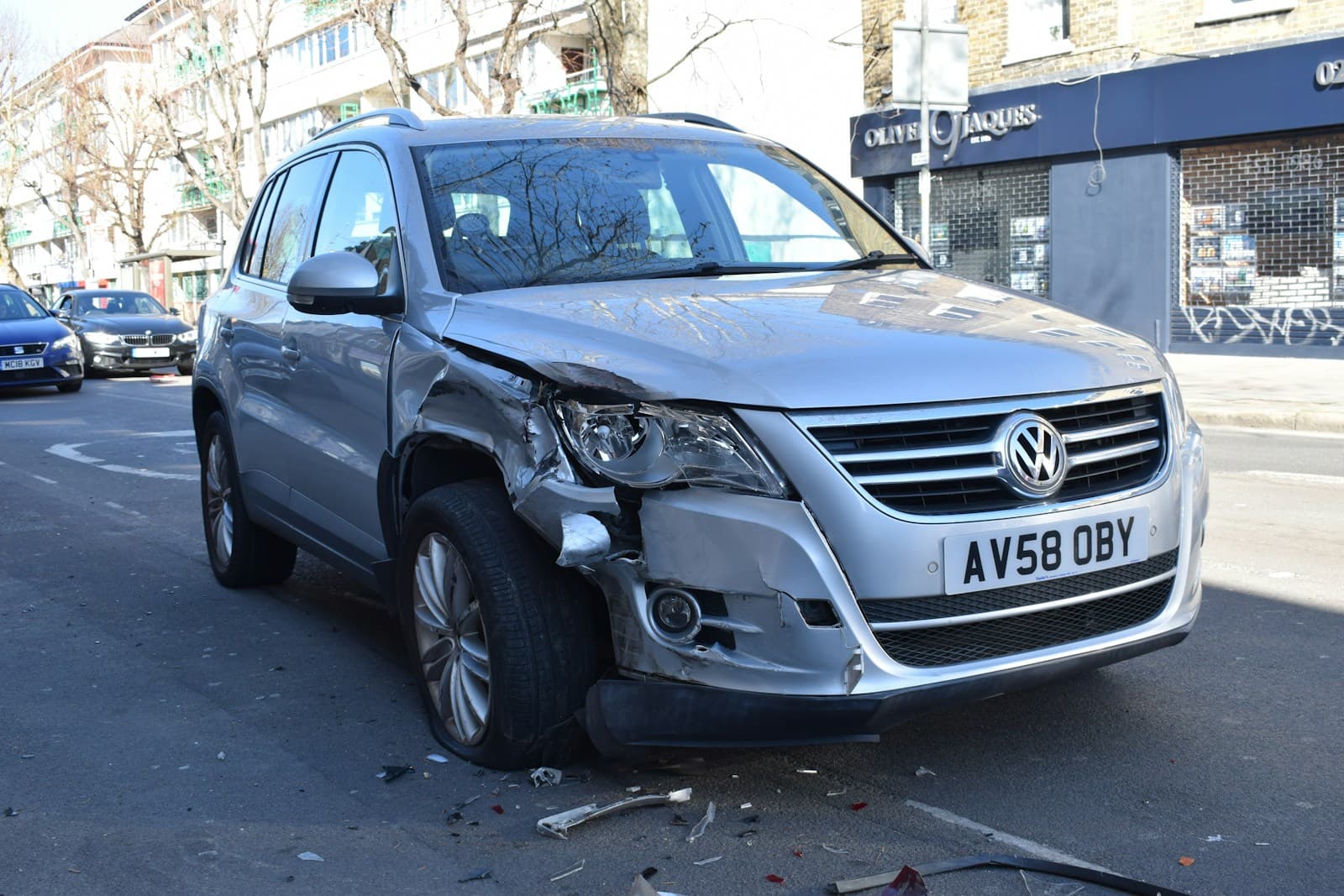
What Affects Rates in Newark
- Route 896 and Main Street Congestion: Newark's primary north-south corridor sees heavy commuter and University of Delaware student traffic, leading to elevated rear-end and merge-related accidents. Drivers with at-fault violations in high-traffic zones face steeper rate increases due to collision frequency data tied to these corridors.
- University of Delaware Student Population: The 24,000-student campus creates seasonal traffic density spikes and higher accident rates in the Main Street and Cleveland Avenue corridors. High-risk drivers in zip codes 19711 and 19716 see rate adjustments reflecting this elevated claim frequency.
- I-95 Proximity and Commuter Volume: Newark sits 10 miles from I-95, with Route 273 serving as a primary interstate connector, bringing high-speed commuter traffic through the city. Drivers with speeding violations or reckless driving citations on these routes face compounded rate increases due to elevated severity risk.
- Delaware Point System Thresholds: Delaware suspends licenses at 12 points in 24 months, with common violations like speeding 20+ mph over adding 5 points. Newark drivers near the suspension threshold trigger non-standard carrier review, raising premiums even before formal suspension.
- Winter Weather Claim Spikes: Newark averages 15 inches of snow annually, with ice-related accidents clustering on Route 4 and Route 896 hills during January–February. Drivers with at-fault winter accidents see sustained rate increases as these claims reflect elevated risk during recurring seasonal conditions.

Compare rates from carriers that work with drivers who have points
Standard carriers surcharge heavily after violations. These specialists price your specific record differently.
Get Your Free QuoteCoverage Recommendations
Cost estimates are based on available industry data and vary by driver profile. These are not insurance quotes.
SR-22 Insurance
Required in Delaware for DUI convictions, driving without insurance, or accumulating 12+ points. The SR-22 is a liability certificate filed by your insurer to the DMV proving you carry minimum 25/50/10 coverage; filing costs $50 and lapses restart your 3-year requirement.
$50 filing fee + 40–80% premium increaseEstimated range only. Not a quote.
Liability Insurance
Delaware's 25/50/10 minimum ($25k per person injury, $50k per accident, $10k property damage) is the baseline for SR-22 filers, but high-risk drivers in Newark should consider 100/300/100 limits given tort liability exposure on congested Route 896 and Main Street corridors where multi-vehicle accidents are common.
$1,400–$2,600/year for minimum; higher limits add 15–25%Estimated range only. Not a quote.
Non-Standard Auto Insurance
Carriers specializing in drivers with violations, suspensions, or lapses often offer the only coverage option for Newark drivers refused by standard insurers. Non-standard policies cost 30–60% more than standard rates but provide a pathway to rebuild your record and transition back to preferred-tier carriers after 2–3 years of clean driving.
$2,200–$3,800/year depending on violation historyEstimated range only. Not a quote.
Uninsured Motorist Coverage
Delaware law requires insurers to offer UM/UIM coverage equal to your liability limits unless you reject it in writing. With Newark's urban density and Delaware's ~9% uninsured driver rate, high-risk drivers should maintain this coverage even when cutting costs elsewhere, as at-fault uninsured drivers leave you financially exposed in multi-vehicle accidents.
Adds 5–12% to total premiumEstimated range only. Not a quote.