What Affects Rates in Twin Falls
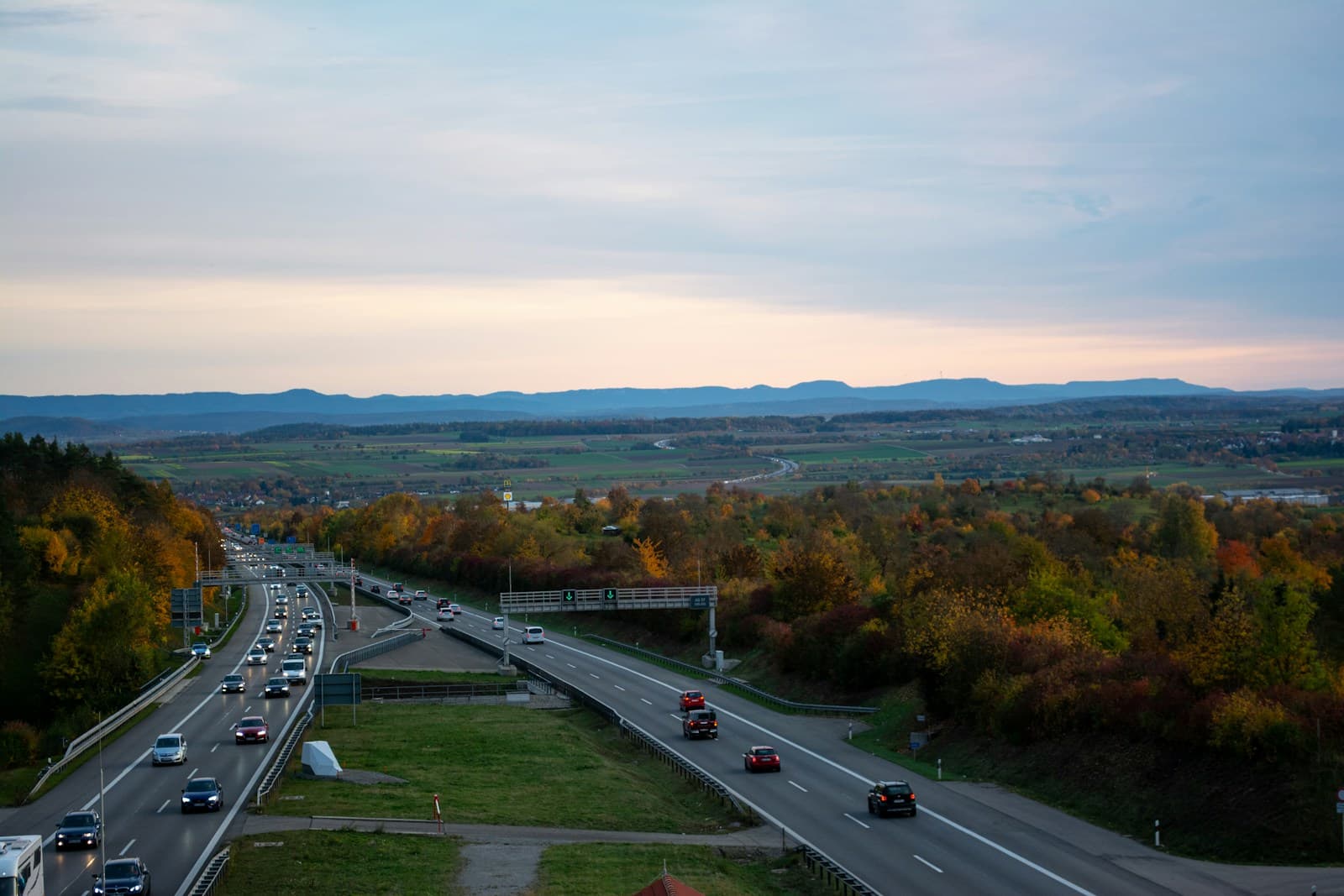
- Rural Highway Corridors: Twin Falls sits along US-93 and I-84, major freight and commuter routes with elevated fatal crash rates compared to urban Idaho corridors. High-risk drivers with speeding violations on rural highways often see steeper rate increases due to severity scoring by insurers.
- Agricultural Traffic Patterns: Seasonal agricultural equipment on county roads and state highways around Twin Falls increases collision risk during planting and harvest seasons. Carriers factor farm vehicle interaction into risk models, particularly for drivers with at-fault accident history.
- Lower Metro Density: Twin Falls population density is roughly 2,200 per square mile in the urban core, significantly lower than Boise metro. This results in moderately lower base rates for high-risk drivers compared to Idaho's largest metro, with savings of $15–$40/month typical.
- Limited Non-Standard Carrier Presence: Twin Falls has fewer walk-in offices for non-standard insurers compared to Boise or Pocatello. Most high-risk drivers access coverage through independent agents or direct digital channels, making online rate comparison essential.
- Winter Weather Volatility: Twin Falls averages 45 inches of snow annually with frequent freezing fog and black ice conditions on canyon rim roads. Drivers with prior at-fault accidents face higher collision and comprehensive premiums due to seasonal weather risk.
Compare rates from carriers that work with drivers who have points
Standard carriers surcharge heavily after violations. These specialists price your specific record differently.
Get Your Free QuoteCoverage Recommendations
Cost estimates are based on available industry data and vary by driver profile. These are not insurance quotes.
SR-22 Insurance
Required in Idaho for DUI convictions, reckless driving, driving without insurance, or accumulating excessive points. The SR-22 is a certificate your insurer files with Idaho Transportation Department proving you carry at least state minimum liability ($25,000/$50,000/$15,000). Any lapse triggers license suspension and restarts the 3-year requirement.
$25–$50 filing fee, plus high-risk premiumEstimated range only. Not a quote.
Liability Insurance
Idaho minimums are $25,000 bodily injury per person, $50,000 per accident, and $15,000 property damage. High-risk drivers in Twin Falls with one DUI or major violation typically pay $90–$180/month for state minimum liability. Increasing to $100,000/$300,000/$100,000 adds $25–$60/month but provides critical protection against underinsured claims.
$90–$180/month for minimumsEstimated range only. Not a quote.
Full Coverage
Combines liability, collision, and comprehensive coverage. High-risk drivers financing vehicles in Twin Falls typically pay $160–$320/month for full coverage with $500–$1,000 deductibles. Lenders require this coverage, and rates reflect both violation history and vehicle value.
$160–$320/month typicalEstimated range only. Not a quote.
Uninsured Motorist Coverage
Idaho does not mandate UM/UIM coverage, but approximately 7% of drivers statewide are uninsured. For high-risk drivers in Twin Falls, adding $50,000/$100,000 uninsured motorist protection costs $8–$18/month and covers injuries if hit by an uninsured driver.
$8–$18/month for $50k/$100kEstimated range only. Not a quote.