What Affects Rates in Indianapolis
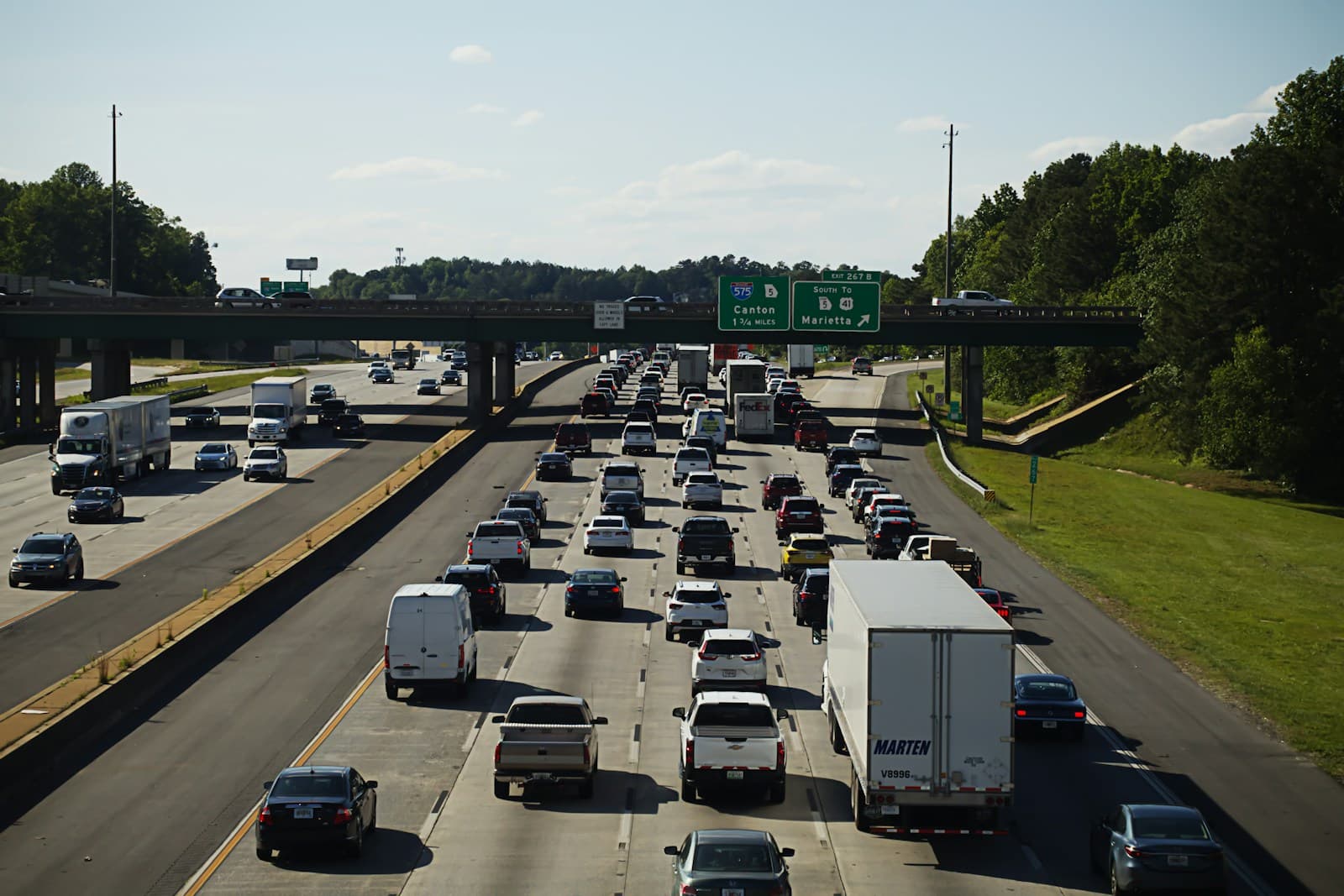
- I-465 Beltway Congestion: The I-465 loop encircling Indianapolis sees heavy commuter traffic and elevated accident frequency, particularly at I-65, I-70, and I-69 interchanges. High-risk drivers with at-fault accidents pay more in zip codes near these corridors due to collision claim density.
- Marion County Uninsured Motorist Rate: Marion County has a higher uninsured motorist rate than Indiana's state average, increasing the risk pool cost for carriers. High-risk policies often include mandatory uninsured motorist coverage to offset this exposure, raising premiums by $200–$400/year.
- Downtown Indianapolis Traffic Density: Downtown grid traffic, one-way streets, and event congestion around Lucas Oil Stadium and Gainbridge Fieldhouse create higher collision risk. Drivers with existing violations in downtown-adjacent zip codes (46204, 46225, 46202) face steeper comprehensive and collision rate increases.
- Winter Weather Claim Frequency: Indianapolis averages 25 inches of snow annually, with frequent ice events from December through February. High-risk drivers with prior at-fault weather-related claims see disproportionate rate increases, as insurers weigh repeat winter collision risk heavily.
- Indiana BMV Point System Visibility: Indiana assigns 2–8 points per violation, with 18 points triggering suspension. Because points remain visible to insurers for 2 years even after BMV removal, Indianapolis high-risk drivers often stay in non-standard markets longer than the official point window suggests.

Compare rates from carriers that work with drivers who have points
Standard carriers surcharge heavily after violations. These specialists price your specific record differently.
Get Your Free QuoteCoverage Recommendations
Cost estimates are based on available industry data and vary by driver profile. These are not insurance quotes.
SR-22 Insurance
Indiana requires SR-22 for 3 years following DUI, reckless driving, driving while suspended, or accumulating 18+ points. The SR-22 form itself costs $15–$25 to file, but the underlying high-risk policy in Indianapolis runs $1,800–$3,600/year depending on violation severity.
$1,800–$3,600/year plus $15–$25 filingEstimated range only. Not a quote.
Non-Standard Auto Insurance
Drivers with multiple violations, lapses, or DUIs often move to non-standard carriers operating in Indianapolis. These policies cost 60–150% more than standard rates but provide the liability coverage Indiana law requires: $25,000 per person, $50,000 per accident, $25,000 property damage.
$150–$300/monthEstimated range only. Not a quote.
Liability Insurance
Indiana minimums are $25,000/$50,000/$25,000, but high-risk drivers in Indianapolis should consider $50,000/$100,000/$50,000 or higher. At-fault accidents in Marion County often involve multiple vehicles on I-465 or downtown, where minimum limits leave significant out-of-pocket exposure.
$100–$200/month for state minimumsEstimated range only. Not a quote.
Uninsured Motorist Coverage
Not mandatory in Indiana, but Marion County's elevated uninsured driver rate makes this critical for high-risk drivers who cannot afford another rate spike from an uninsured at-fault claim. Coverage typically adds $15–$30/month to high-risk policies.
$15–$30/month additionalEstimated range only. Not a quote.