What Affects Rates in Olathe
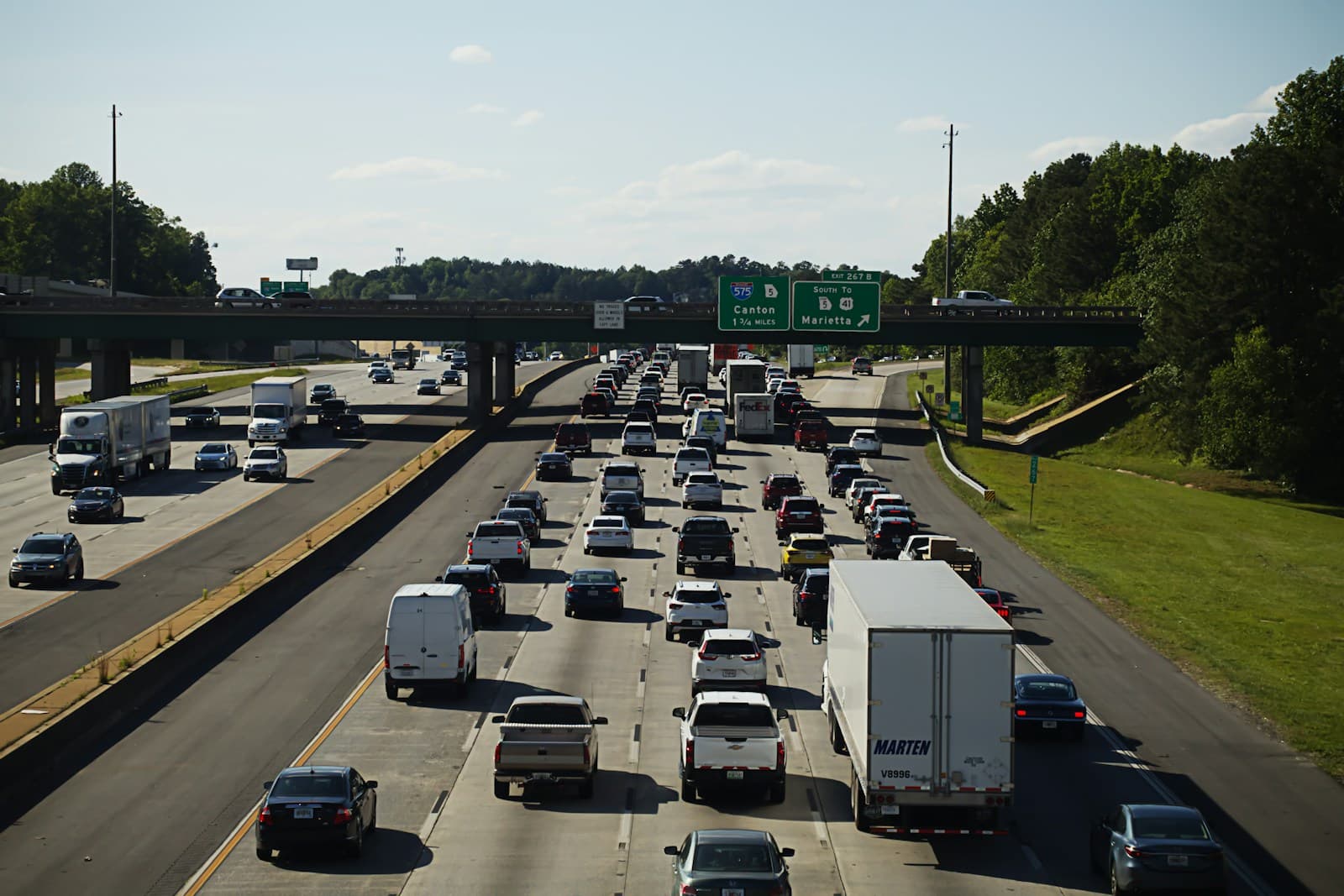
- I-35 Corridor Traffic Density: Olathe sits along the I-35 corridor connecting Kansas City to southern suburbs, with concentrated commuter traffic during peak hours. High-risk drivers with at-fault accidents on their record face steeper increases here due to elevated accident frequency along this route, particularly near the I-35/K-10 interchange.
- Johnson County Court Requirements: DUI convictions processed through Johnson County District Court trigger mandatory SR-22 filing for 2 years, with no early termination available. The court also mandates ignition interlock devices for most DUI offenses, which insurers factor into risk assessment and premium calculation.
- Suburban Growth and New Driver Density: Olathe's rapid population growth — now the fourth-largest city in Kansas — brings higher concentrations of newly licensed drivers and out-of-state transplants unfamiliar with local traffic patterns. Insurers apply broader risk models in high-growth suburbs, which can marginally increase rates for drivers already carrying violations.
- Uninsured Motorist Exposure: Kansas has an estimated uninsured motorist rate near 9%, slightly above the national average. For high-risk drivers already paying elevated premiums, adding uninsured motorist coverage in Olathe typically costs an additional $8–$15/month but protects against out-of-pocket costs if hit by an uninsured driver.
- Winter Weather Claim Patterns: Olathe experiences ice storms and freezing rain between December and February, driving seasonal spikes in weather-related claims. Drivers with existing at-fault accidents see larger premium increases after subsequent weather-related incidents, as carriers view them as higher-risk in adverse conditions.

Compare rates from carriers that work with drivers who have points
Standard carriers surcharge heavily after violations. These specialists price your specific record differently.
Get Your Free QuoteCoverage Recommendations
Cost estimates are based on available industry data and vary by driver profile. These are not insurance quotes.
SR-22 Insurance
Kansas requires SR-22 for DUI, driving while suspended, repeat violations, and at-fault accidents without insurance. The SR-22 itself is a certificate your insurer files with the Kansas Department of Revenue; you still need underlying liability coverage at state minimums ($25,000/$50,000/$25,000) or higher.
$25–$50 filing fee plus 60–150% higher premiumsEstimated range only. Not a quote.
Liability Insurance
Kansas mandates 25/50/25 minimums, but high-risk drivers in Olathe should consider 50/100/50 or higher — at-fault accidents with injury claims exceeding your limits leave you personally liable. Expect to pay $900–$2,200/year for state minimum liability with violations on record.
$75–$185/mo for state minimumsEstimated range only. Not a quote.
Full Coverage
Full coverage (liability + collision + comprehensive) in Olathe runs $1,800–$3,600/year for drivers with recent violations or at-fault accidents. If your vehicle is financed or worth over $5,000, full coverage protects your asset — but if driving an older car, dropping collision may cut premiums by 30–40%.
$150–$300/mo with violationsEstimated range only. Not a quote.
Non-Standard Auto Insurance
Non-standard carriers specialize in high-risk profiles — DUIs, multiple violations, lapses — and operate widely in Olathe. These insurers price risk differently than standard carriers, often offering 20–40% lower premiums than standard-market declinations for the same coverage limits.
Often 20–40% lower than standard declinationsEstimated range only. Not a quote.