What Affects Rates in New Orleans
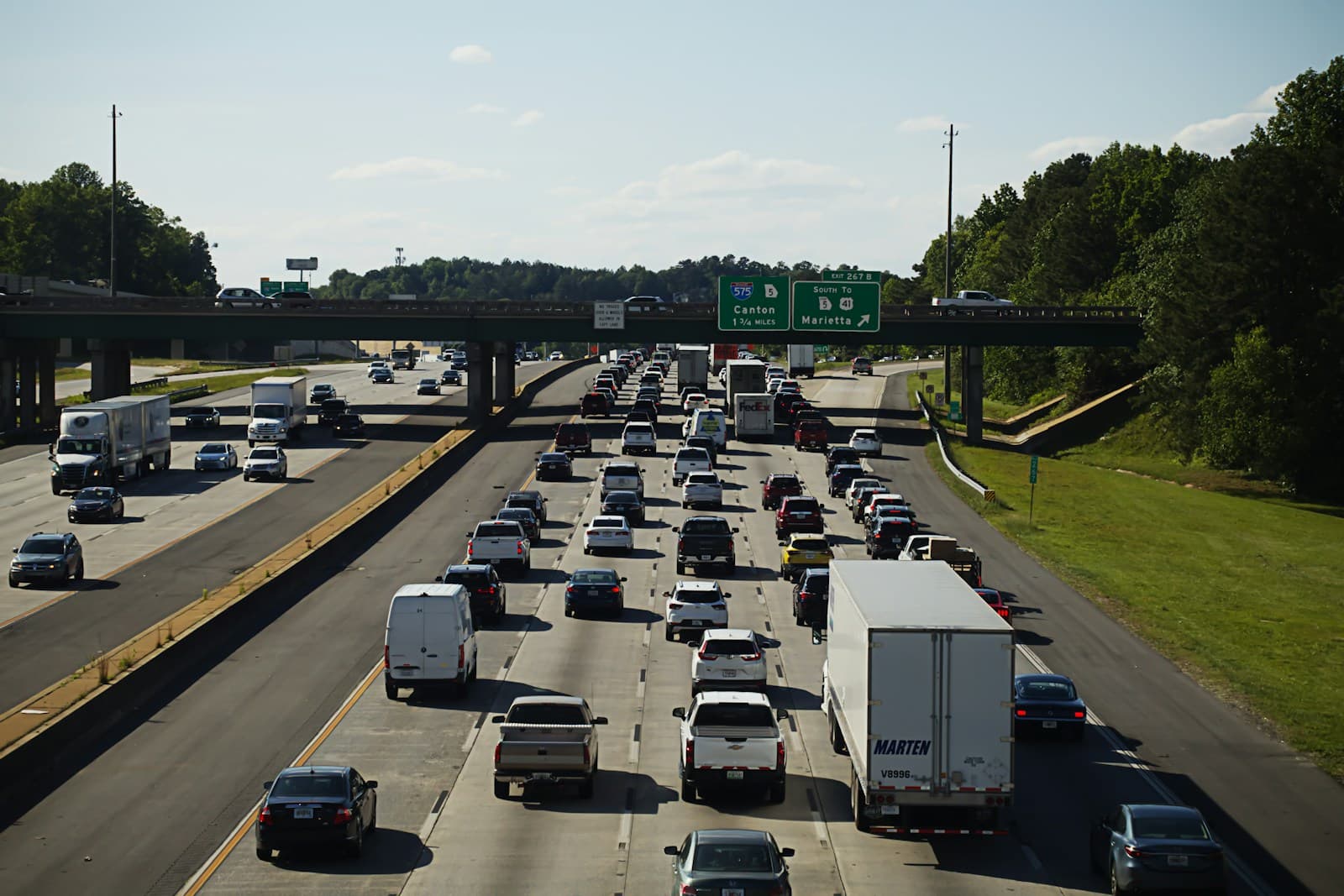
- Interstate 10 and Urban Corridor Density: New Orleans sits at the convergence of I-10, I-610, and the Crescent City Connection, creating high-density traffic corridors where accident frequency is elevated. Drivers with existing violations face steeper premium increases here than in lower-density Louisiana parishes because carriers price for repeat-incident risk in congested zones.
- Flood Zone and Storm Exposure: Much of New Orleans lies below sea level with hurricane and flood risk that affects comprehensive coverage costs. For drivers already paying elevated rates due to violations, adding full coverage in flood-prone ZIP codes (70112, 70116, 70117) can push monthly premiums above $300.
- High Uninsured Motorist Concentration: Louisiana's uninsured motorist rate of 11.7% ranks among the highest in the South. In New Orleans, uninsured motorist coverage becomes critical for drivers with violations because a second at-fault accident with an uninsured driver can trigger SR-22 requirements or license suspension.
- Orleans Parish Traffic Court and Point Accumulation: Louisiana uses a point system where 12 points in 12 months triggers suspension. Common violations in New Orleans — speeding 15+ mph over (4 points), running red lights at high-frequency intersections like Carrollton and Claiborne (3 points) — accumulate quickly in urban enforcement zones.
- Non-Standard Carrier Availability: New Orleans has active non-standard and assigned-risk market presence due to high-risk driver volume. Drivers with 6+ points or recent DUIs often find better rates through regional non-standard carriers than through standard carriers' high-risk tiers.

Compare rates from carriers that work with drivers who have points
Standard carriers surcharge heavily after violations. These specialists price your specific record differently.
Get Your Free QuoteCoverage Recommendations
Cost estimates are based on available industry data and vary by driver profile. These are not insurance quotes.
SR-22 Insurance
Required in Louisiana for DUI, driving without insurance, or serious violations. The SR-22 itself costs $25–$50 to file, but underlying insurance premiums with SR-22 status in New Orleans typically run $200–$400/month for state minimum liability due to the filing indicating high-risk status to all carriers.
$200–$400/mo with SR-22 filingEstimated range only. Not a quote.
Liability Insurance
Louisiana requires $15,000 per person/$30,000 per accident for bodily injury and $25,000 property damage. Drivers with 4–8 points in New Orleans see liability-only premiums of $110–$180/month, significantly above the clean-record average, because the tort system exposes at-fault drivers to lawsuits beyond policy limits.
$110–$180/mo liability-onlyEstimated range only. Not a quote.
Uninsured Motorist Coverage
With 11.7% of Louisiana drivers uninsured, this coverage protects you when an at-fault driver has no insurance. For New Orleans drivers already carrying points, adding uninsured motorist ($15,000/$30,000 minimum) costs an additional $15–$35/month but prevents out-of-pocket costs that could lead to financial hardship and further coverage lapses.
+$15–$35/moEstimated range only. Not a quote.
Full Coverage
Combining liability, collision, and comprehensive in New Orleans with a violation history typically costs $180–$320/month with a $500–$1,000 deductible. Flood risk and theft rates in certain neighborhoods (Central City, parts of the 7th Ward) push comprehensive premiums higher even for drivers with clean records; violations compound that base increase.
$180–$320/mo with violationsEstimated range only. Not a quote.