
What Affects Rates in Lewiston
- Route 196 and Sabattus Street Corridor Traffic Density: Lewiston's commercial corridors along Route 196 and Sabattus Street concentrate stop-and-go traffic, fender-benders, and speeding citations during commute hours. Drivers with existing violations see elevated premiums due to this congestion pattern, as insurers view repeat-offense risk higher in high-traffic zones.
- Androscoggin County Uninsured Driver Concentration: Androscoggin County reports higher-than-state-average uninsured motorist rates, a factor that pushes premiums upward for high-risk drivers. Insurers price in the elevated risk of uncompensated claims when other drivers lack coverage, especially after an at-fault driver's first incident.
- Ice Storm and Winter Weather Frequency: Lewiston endures prolonged winter conditions with frequent ice storms from December through March, contributing to elevated accident rates and comprehensive claims. Drivers with points already on record face steeper increases because insurers treat weather-related incidents as compounding risk factors, not isolated events.
- Franco-American Heritage Area Pedestrian Zones: Downtown Lewiston's pedestrian-dense areas near Kennedy Park and the Bates Mill complex increase the likelihood of low-speed collisions and pedestrian-involved incidents. High-risk drivers operating in these zones may see incremental surcharges reflecting the heightened claim probability.
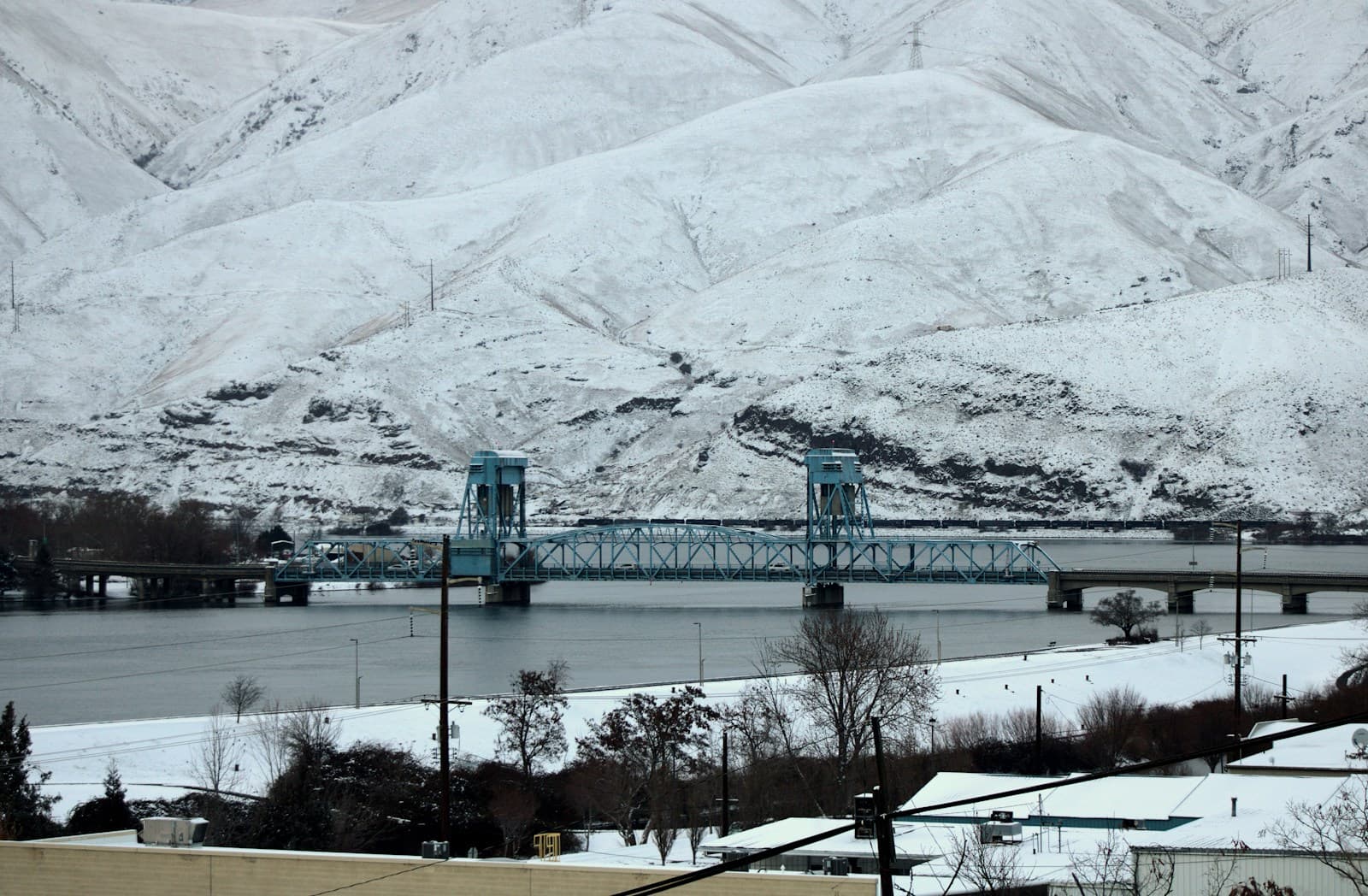
- Proximity to Auburn and Twin-City Traffic Overlap: The Lewiston-Auburn metro area functions as a unified traffic zone, with drivers frequently crossing the Androscoggin River via Memorial and Veterans bridges. Violations and accidents on either side contribute to shared risk pools, meaning Auburn incidents influence Lewiston premium calculations for carriers serving both municipalities.
Compare rates from carriers that work with drivers who have points
Standard carriers surcharge heavily after violations. These specialists price your specific record differently.
Get Your Free QuoteCoverage Recommendations
Cost estimates are based on available industry data and vary by driver profile. These are not insurance quotes.
SR-22 Insurance
Required in Maine after DUI, reckless driving conviction, license suspension for points, or repeated at-fault accidents. The $25 filing attaches to your policy and obligates the carrier to notify Maine BMV if coverage lapses. SR-22 remains active for three years from your reinstatement date; any lapse restarts the clock and triggers immediate re-suspension.
$150–$280/month for minimum liability with SR-22Estimated range only. Not a quote.
Liability Insurance
Maine's minimum required coverage is 50/100/25, meaning $50,000 per person for bodily injury, $100,000 per incident, and $25,000 for property damage. Drivers with points or violations see liability premiums rise 30–80% depending on offense severity; multiple speeding tickets or an at-fault accident typically push monthly costs above $120 even for state minimums in Lewiston.
$120–$200/month for minimum liability with violationsEstimated range only. Not a quote.
Full Coverage
Combines liability, collision, and comprehensive to protect both your vehicle and others. High-risk drivers in Lewiston carrying full coverage on financed vehicles typically pay $200–$350/month, as collision premiums spike after at-fault accidents and comprehensive costs rise in areas with elevated theft or weather claims like Androscoggin County.
$200–$350/month for high-risk driversEstimated range only. Not a quote.
Uninsured Motorist Coverage
Critical in Androscoggin County, where uninsured driver rates exceed state averages. This coverage pays your medical bills and vehicle damage if an at-fault driver has no insurance. For drivers already facing elevated premiums due to violations, adding UM coverage costs an extra $15–$30/month but prevents total financial exposure in no-recovery collisions.
$15–$30/month additional for UM coverageEstimated range only. Not a quote.