What Affects Rates in Springfield
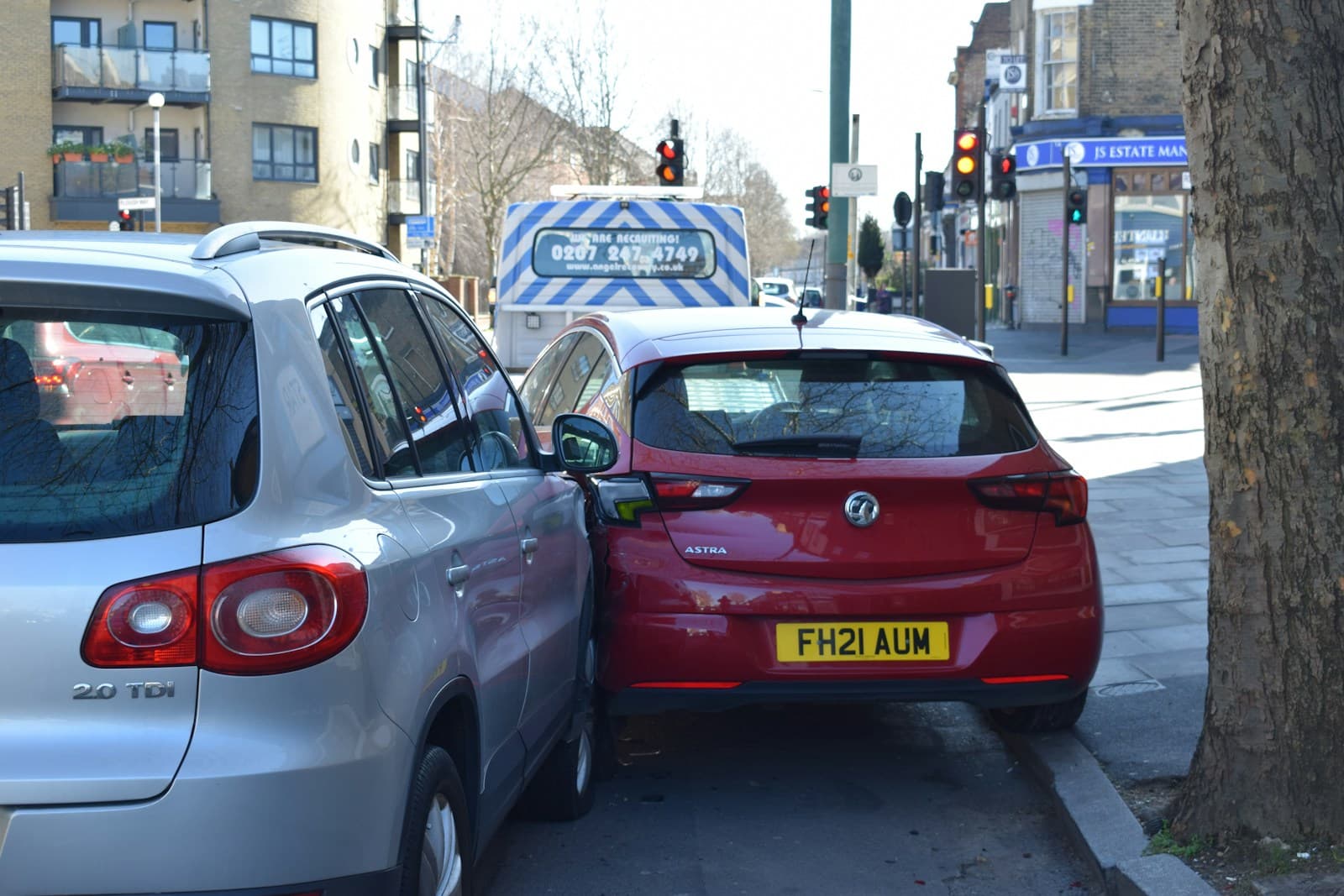
- High Urban Accident Frequency: Springfield's concentrated downtown corridors—Main Street, State Street, and Dwight Street—see elevated accident rates from stop-and-go congestion and narrow lane geometry. Drivers with an at-fault accident already on record face steeper premium increases in urban zones where carriers price for higher repeat-incident probability.
- Massachusetts Surcharge Point System: Massachusetts uses a surcharge system, not license points: at-fault accidents add 4 surcharge points, minor violations add 2–3, and major violations add 5. Surcharges remain for 6 years from the incident date, directly affecting premium calculations for the full period. Accumulating 3 speeding offenses in 12 months or 7 surchargeable events in 3 years triggers license suspension.
- Non-Standard Carrier Concentration: Springfield's elevated uninsured driver rate—estimated near statewide levels of 3.5%—creates demand for non-standard carriers specializing in drivers exiting lapses or suspensions. These carriers often price violations less aggressively than standard market insurers, making multi-carrier shopping essential after a ticket or accident.
- Winter Weather Claim Patterns: Springfield averages 40+ inches of snow annually, generating seasonal spikes in weather-related claims from November through March. Drivers with a prior at-fault accident on record may see larger premium increases if the earlier incident also occurred in winter conditions, as carriers view repeat seasonal claims as higher risk.
- Interstate and Commuter Corridor Exposure: I-91 and I-291 corridor traffic through Springfield increases exposure to speeding enforcement and multi-vehicle incidents. Carriers adjust rates for drivers with speeding violations based on whether the citation occurred in high-enforcement zones, and Springfield's highway density elevates this pricing factor.

Compare rates from carriers that work with drivers who have points
Standard carriers surcharge heavily after violations. These specialists price your specific record differently.
Get Your Free QuoteCoverage Recommendations
Cost estimates are based on available industry data and vary by driver profile. These are not insurance quotes.
Liability Insurance
Massachusetts requires minimum $20,000 bodily injury per person, $40,000 per accident, and $5,000 property damage. Drivers with violations should carry higher limits—$100,000/$300,000/$100,000—because at-fault incidents with minimum coverage expose you to personal liability beyond policy limits, and carriers view low limits as higher-risk behavior.
$900–$1,600/year with violationsEstimated range only. Not a quote.
Full Coverage
Combining liability, collision, and comprehensive protects financed vehicles and provides claim flexibility after violations. Springfield's urban accident density and winter weather make comprehensive particularly relevant for drivers with points, as a second incident—even not-at-fault—can complicate renewal and rate recovery.
$1,800–$3,200/year with pointsEstimated range only. Not a quote.
SR-22 Insurance
Required in Massachusetts after DUI, driving without insurance, or license suspension—not for standard speeding tickets or minor violations. The SR-22 itself costs $25–$50 to file, but underlying premiums reflect the violation that triggered it. You must maintain continuous coverage for 3 years; any lapse restarts the filing period.
$2,400–$4,500/year post-DUIEstimated range only. Not a quote.
Uninsured Motorist Coverage
Massachusetts requires uninsured/underinsured motorist coverage at the same limits as your liability policy unless you reject it in writing. Drivers with violations benefit from carrying this at higher limits—$100,000/$300,000—because a hit-and-run or uninsured driver accident can derail rate recovery if you're forced to file a claim under your own collision coverage.
$150–$300/year added costEstimated range only. Not a quote.