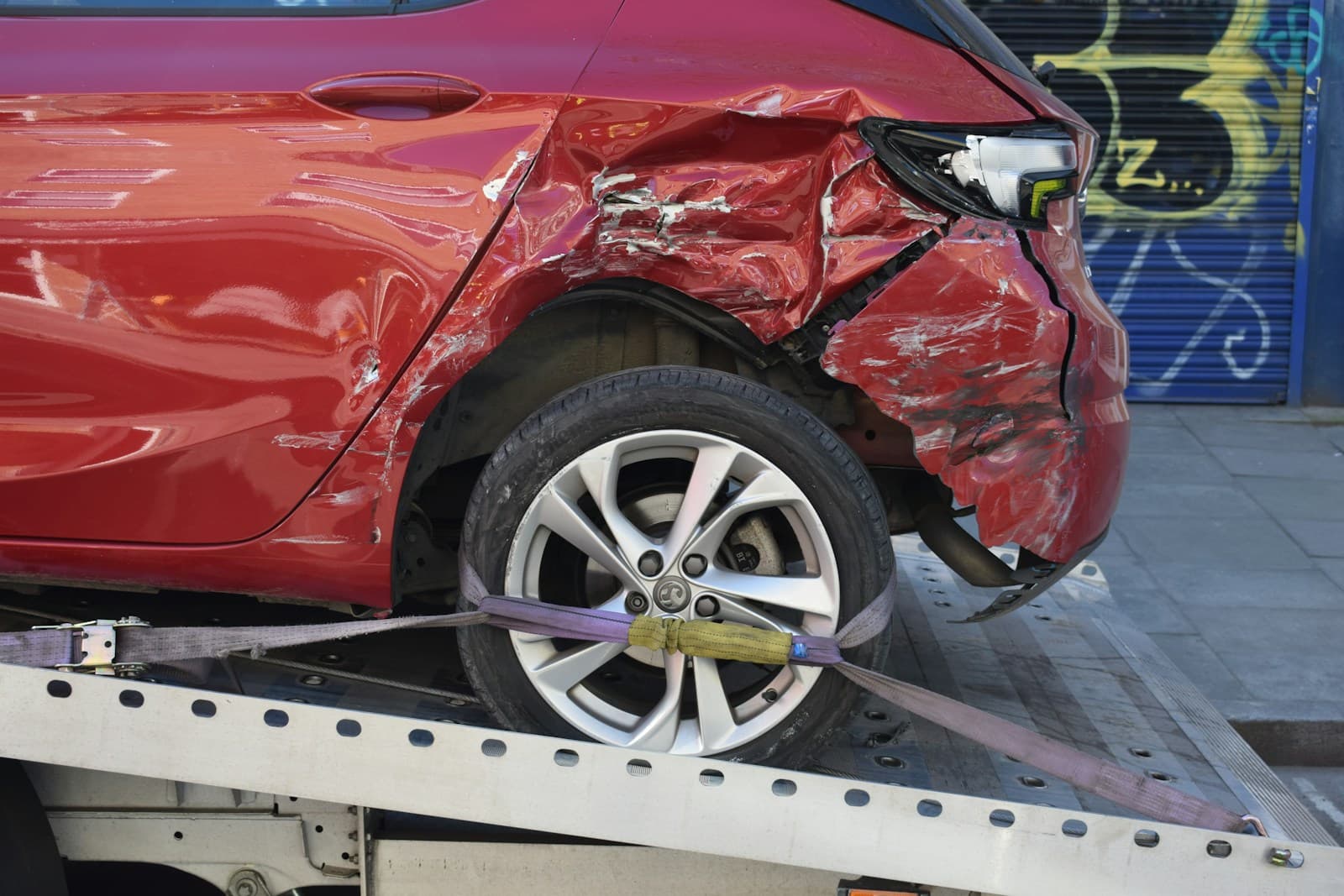
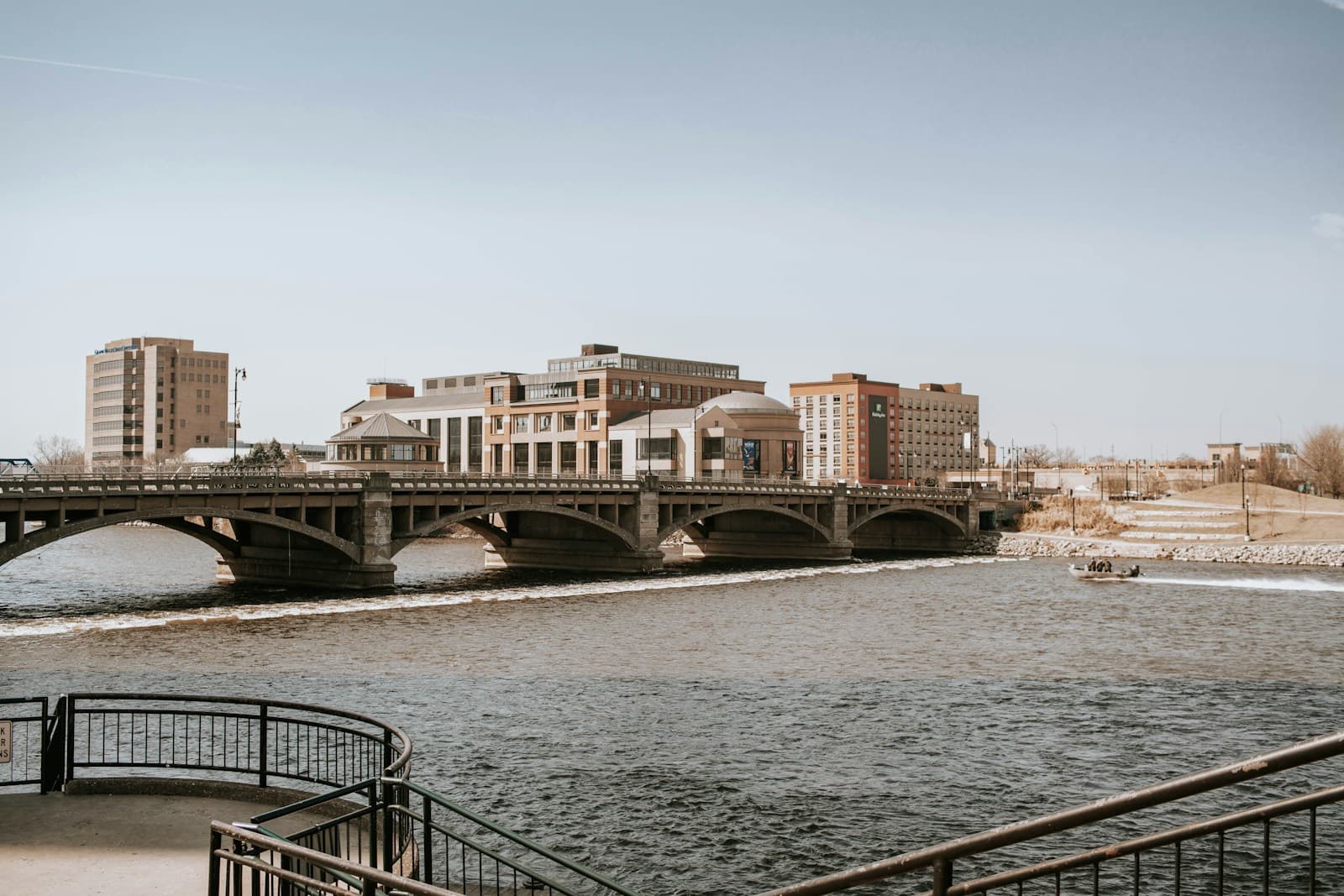
What Affects Rates in Grand Rapids
- Michigan No-Fault PIP Mandate: Michigan requires unlimited personal injury protection (PIP) coverage by default, which significantly inflates premiums for high-risk drivers in Grand Rapids compared to tort states. High-risk drivers can opt down to $50,000 or $250,000 PIP caps if they qualify for state health coverage, reducing annual costs by $400–$800.
- Downtown Grand Rapids Collision Density: The central business district—bounded by I-196, US-131, and the Grand River—has higher pedestrian traffic and accident frequency than suburban zones like Cascade or East Grand Rapids. High-risk drivers living or commuting downtown often see 12–18% higher premiums than those in outer Kent County.
- Winter Weather Impact on Claims: Grand Rapids averages 75 inches of snow annually, with lake-effect snow from Lake Michigan causing frequent winter accidents on US-131 and M-6. Drivers with existing violations who file weather-related claims face compounding rate increases of 20–40% on top of their high-risk base premium.
- Uninsured Driver Concentration: Approximately 20% of Michigan drivers operate without insurance, among the highest rates in the Midwest. High-risk drivers in Grand Rapids should prioritize uninsured motorist coverage at $100,000/$300,000 limits, adding $15–$30/month but protecting against gaps in recovery after not-at-fault accidents.
- Michigan Point System and SR-22 Triggers: Michigan assesses 2–6 points per violation; 12 points in 24 months triggers license suspension. SR-22 is required after DUI, reckless driving, driving while suspended, or causing injury/death—not for standard speeding or at-fault accidents. Most high-risk drivers in Grand Rapids do not need SR-22 unless a suspension or alcohol-related offense occurred.
Compare rates from carriers that work with drivers who have points
Standard carriers surcharge heavily after violations. These specialists price your specific record differently.
Get Your Free QuoteCoverage Recommendations
Cost estimates are based on available industry data and vary by driver profile. These are not insurance quotes.
SR-22 Insurance
Required for 3 years after DUI, reckless driving, or license suspension in Michigan. The SR-22 itself costs $25–$50 to file, but underlying liability premiums jump to $1,400–$2,800/year in Grand Rapids. Any lapse triggers restart of the 3-year clock and immediate license suspension.
$1,800–$3,600/year full coverageEstimated range only. Not a quote.
Liability Insurance
Michigan mandates $50,000/$100,000 bodily injury and $10,000 property damage minimums. High-risk drivers in Grand Rapids pay $900–$1,800/year for state minimums alone; increasing to $100,000/$300,000 limits adds $200–$400/year but protects assets if you cause another accident.
$900–$1,800/year minimumEstimated range only. Not a quote.
Non-Standard Auto Insurance
Carriers like Dairyland, The General, and National General specialize in Grand Rapids drivers with violations, lapses, or DUIs. Non-standard policies cost 30–60% more than standard market rates but often the only option until 3–5 years pass without new incidents.
30–60% above standard ratesEstimated range only. Not a quote.
Uninsured Motorist Coverage
With 20% of Michigan drivers uninsured, this coverage is critical for high-risk drivers who cannot afford another rate spike from an unrecoverable claim. $100,000/$300,000 UM limits cost $15–$30/month in Grand Rapids and cover medical bills and lost wages if hit by an uninsured driver.
$15–$30/monthEstimated range only. Not a quote.