What Affects Rates in Great Falls
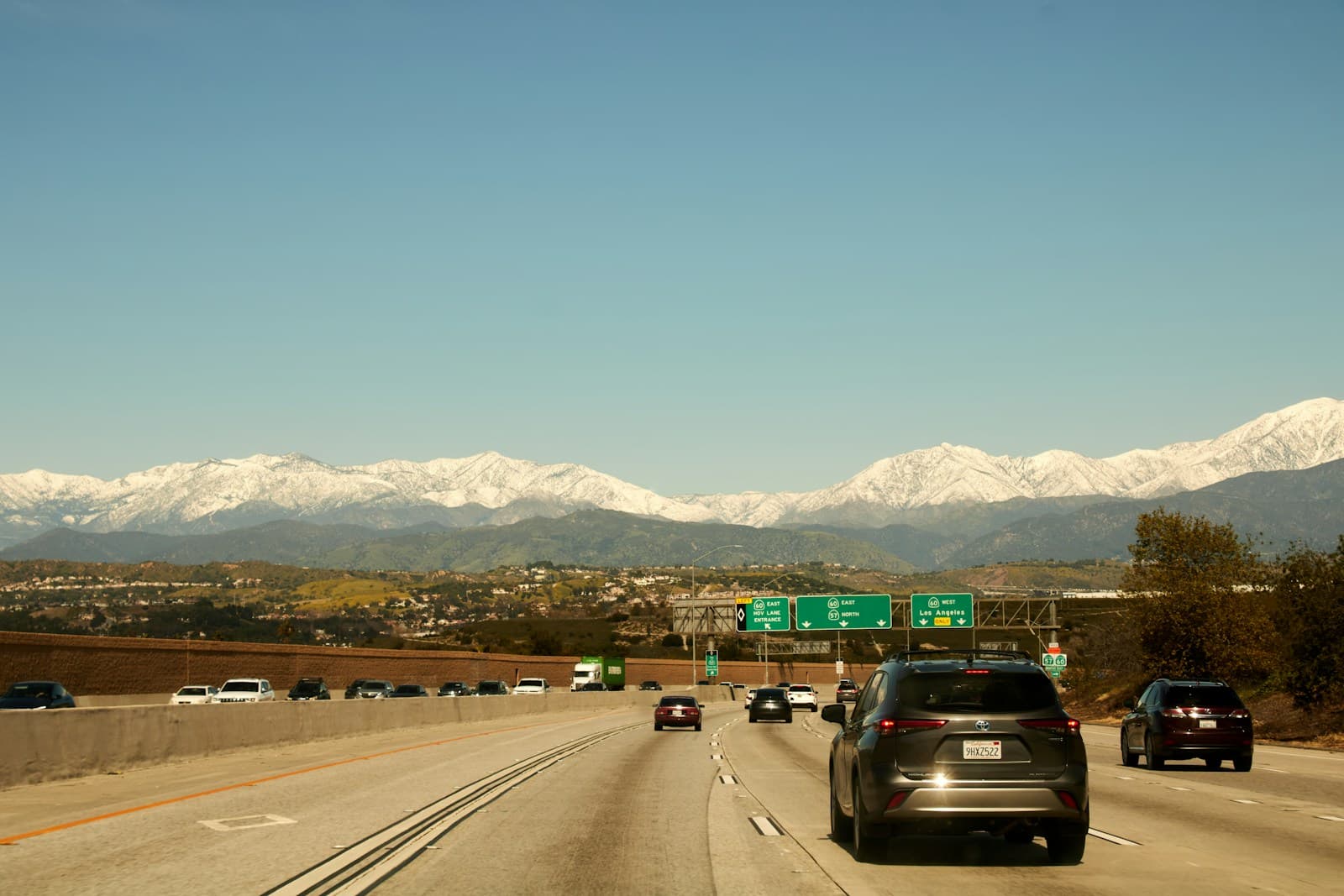
- Rural Highway Corridors: Great Falls sits at the intersection of US-87 and US-89, with highways stretching through rural Montana where wildlife collisions and single-vehicle accidents are common. High-risk drivers with speeding tickets or at-fault accidents from rural highways may see elevated comprehensive and collision premiums due to higher claim frequency in these areas.
- Seasonal Weather Volatility: Great Falls experiences harsh winters with ice, snow, and wind that contribute to weather-related accidents from November through March. Drivers with existing at-fault accidents may face higher premiums during renewal periods that include winter months, as carriers price for elevated seasonal risk.
- Limited Non-Standard Carrier Presence: Great Falls has fewer physical offices for non-standard and SR-22 carriers compared to larger Montana cities, meaning high-risk drivers often need to shop through regional or national carriers who specialize in DUI and major violation cases. This limited local competition can result in slightly higher premiums than in Billings or Missoula.
- Cascade County Court System: DUI and reckless driving cases processed through Cascade County courts trigger Montana's mandatory SR-22 filing requirement, which remains active for 3 years from the conviction date. Great Falls drivers must maintain continuous coverage during this period, as any lapse restarts the 3-year clock.
- Uninsured Motorist Concentration: Montana's statewide uninsured driver rate sits near 11%, and rural areas around Great Falls may see higher localized rates. High-risk drivers already paying elevated premiums should prioritize uninsured motorist coverage, as at-fault uninsured drivers leave no recovery option in Montana's tort system.
Compare rates from carriers that work with drivers who have points
Standard carriers surcharge heavily after violations. These specialists price your specific record differently.
Get Your Free QuoteCoverage Recommendations
Cost estimates are based on available industry data and vary by driver profile. These are not insurance quotes.
SR-22 Insurance
Montana requires SR-22 for 3 years following DUI, reckless driving with injury, or driving uninsured in an at-fault accident. The SR-22 itself costs $25–$50 to file, but the underlying liability policy for high-risk drivers in Great Falls typically runs $900–$2,200/year for minimum coverage.
$900–$2,200/year liability + $25–$50 filingEstimated range only. Not a quote.
Full Coverage
Full coverage for Great Falls drivers with DUIs or major violations typically costs $1,800–$3,600/year, combining liability, collision, and comprehensive. Collision costs rise sharply after at-fault accidents, while comprehensive pricing reflects Great Falls' wildlife collision risk and winter weather claims.
$1,800–$3,600/year after major violationEstimated range only. Not a quote.
Liability Insurance
Montana requires 25/50/20 minimum liability limits, but high-risk drivers in Great Falls should consider 100/300/100 to protect assets in the event of another at-fault accident. Minimum liability for drivers with DUIs or suspensions typically costs $900–$2,200/year in Great Falls.
$900–$2,200/year for high-risk minimumEstimated range only. Not a quote.
Uninsured Motorist Coverage
With Montana's ~11% uninsured driver rate and rural roads where single-vehicle and uninsured accidents are more common, uninsured motorist coverage is critical for high-risk drivers who cannot afford another at-fault incident. This coverage typically adds $100–$300/year to policies in Great Falls.
$100–$300/year additionalEstimated range only. Not a quote.