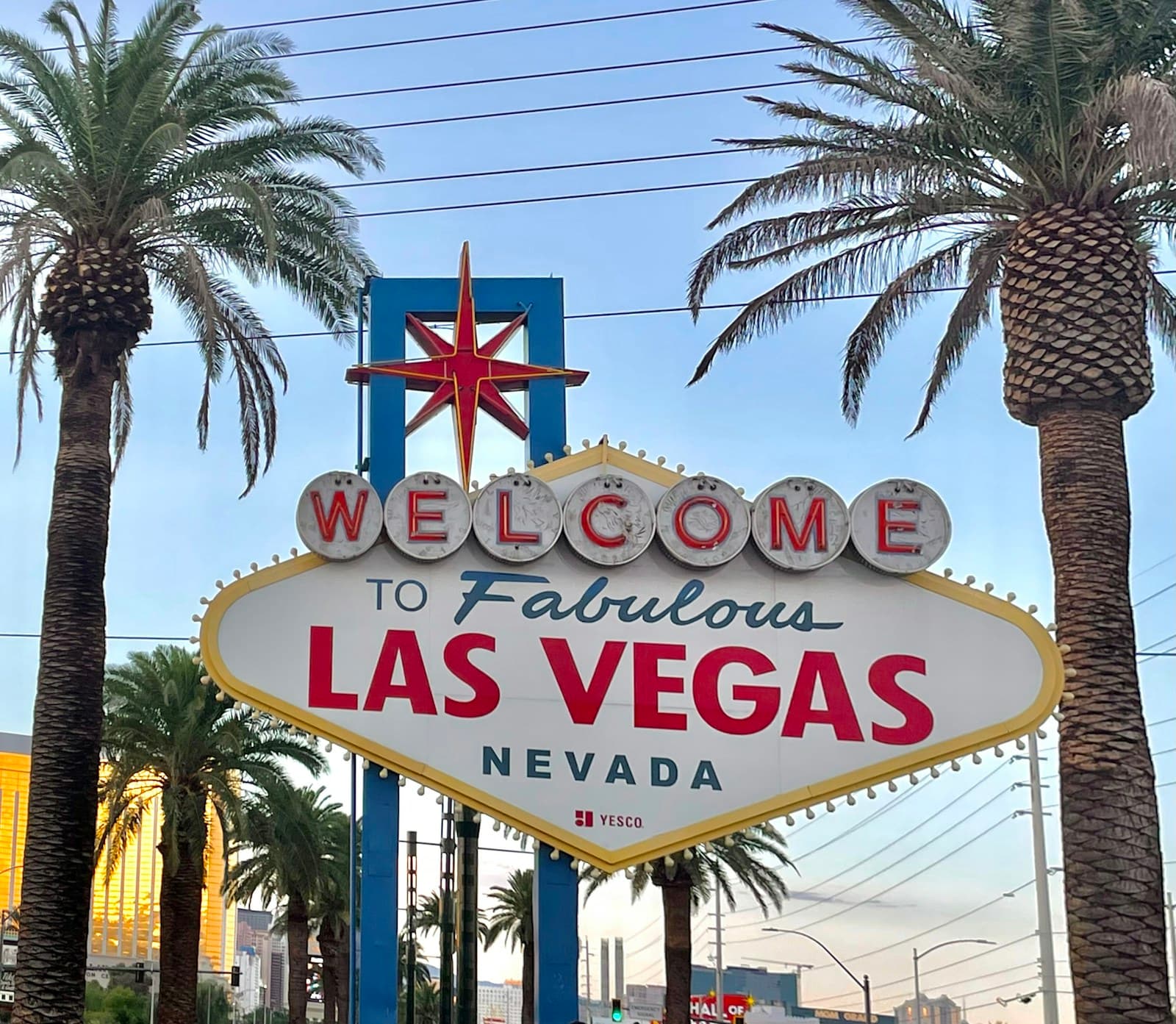
What Affects Rates in Las Vegas
- Las Vegas Strip Traffic Density: The Strip and downtown corridors see tourist-heavy congestion year-round, with frequent distracted driving and unfamiliarity with local roads. High-risk drivers face steeper premiums in ZIP codes near the Strip (89109, 89104) due to elevated accident frequency and collision claim volume.
- Nevada's Uninsured Driver Population: Nevada's uninsured motorist rate sits above the national average, increasing the likelihood that a high-risk driver's next accident involves an uninsured party. Carriers price this exposure into high-risk policies, especially for drivers with prior at-fault claims.
- Clark County DUI Checkpoint Frequency: Las Vegas Metro and Nevada Highway Patrol run frequent DUI saturation patrols on major corridors including I-15, US-95, and Tropicana Avenue. Drivers with existing violations face compounded risk exposure and higher premiums if cited again within their SR-22 filing period.
- Summer Heat and Vehicle Performance: Las Vegas summer temperatures regularly exceed 110°F, increasing breakdown risk and roadside incidents. Comprehensive coverage becomes more expensive for high-risk drivers due to higher claim frequency for heat-related mechanical failures and tire blowouts.
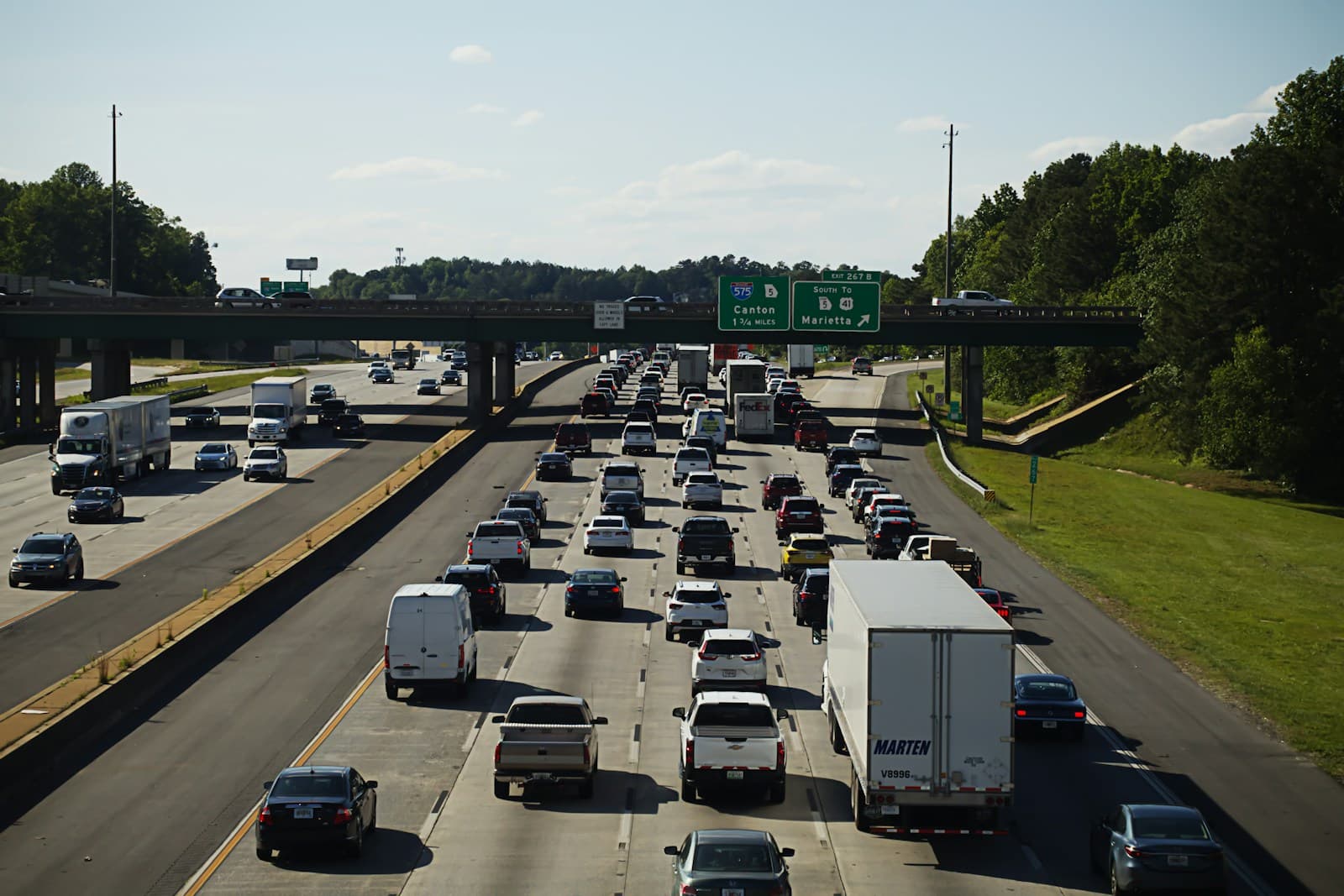
- I-15 Corridor Congestion: The I-15 corridor between Las Vegas and Southern California experiences heavy weekend and holiday traffic, with elevated accident rates and aggressive driving. High-risk drivers who commute or travel this route regularly see higher collision premiums due to corridor-specific claim data.
Compare rates from carriers that work with drivers who have points
Standard carriers surcharge heavily after violations. These specialists price your specific record differently.
Get Your Free QuoteCoverage Recommendations
Cost estimates are based on available industry data and vary by driver profile. These are not insurance quotes.
SR-22 Insurance
Nevada requires SR-22 for DUI, reckless driving, driving without insurance, or accumulating 12+ demerit points in 12 months. The SR-22 itself costs $15–$25 to file, but the underlying high-risk policy raises premiums by 60–120% for the 3-year filing period. Most non-standard carriers in Las Vegas file SR-22s electronically with Nevada DMV within 24 hours.
$15–$25 filing + high-risk premiumEstimated range only. Not a quote.
Liability Insurance
Nevada mandates 25/50/20 minimums, but high-risk drivers in Las Vegas should strongly consider 100/300/100 due to elevated uninsured motorist exposure and Strip-area accident severity. Liability-only policies for high-risk drivers typically run $120–$220/month depending on violation type and recency.
$120–$220/month (liability only)Estimated range only. Not a quote.
Uninsured Motorist Coverage
Nevada has above-average uninsured driver rates, and Las Vegas sees frequent hit-and-run incidents in high-density areas. High-risk drivers with prior at-fault accidents should carry UM/UIM at policy limits to protect against uninsured parties, especially given that non-standard carriers may fight claims more aggressively.
15–25% of liability premiumEstimated range only. Not a quote.
Full Coverage
Full coverage (liability + collision + comprehensive) for high-risk drivers in Las Vegas ranges $180–$350/month depending on vehicle value, violation type, and ZIP code. Financed vehicles require full coverage, but high-risk drivers with older cars should calculate whether collision coverage cost exceeds vehicle value given inflated high-risk collision premiums.
$180–$350/monthEstimated range only. Not a quote.