What Affects Rates in Concord
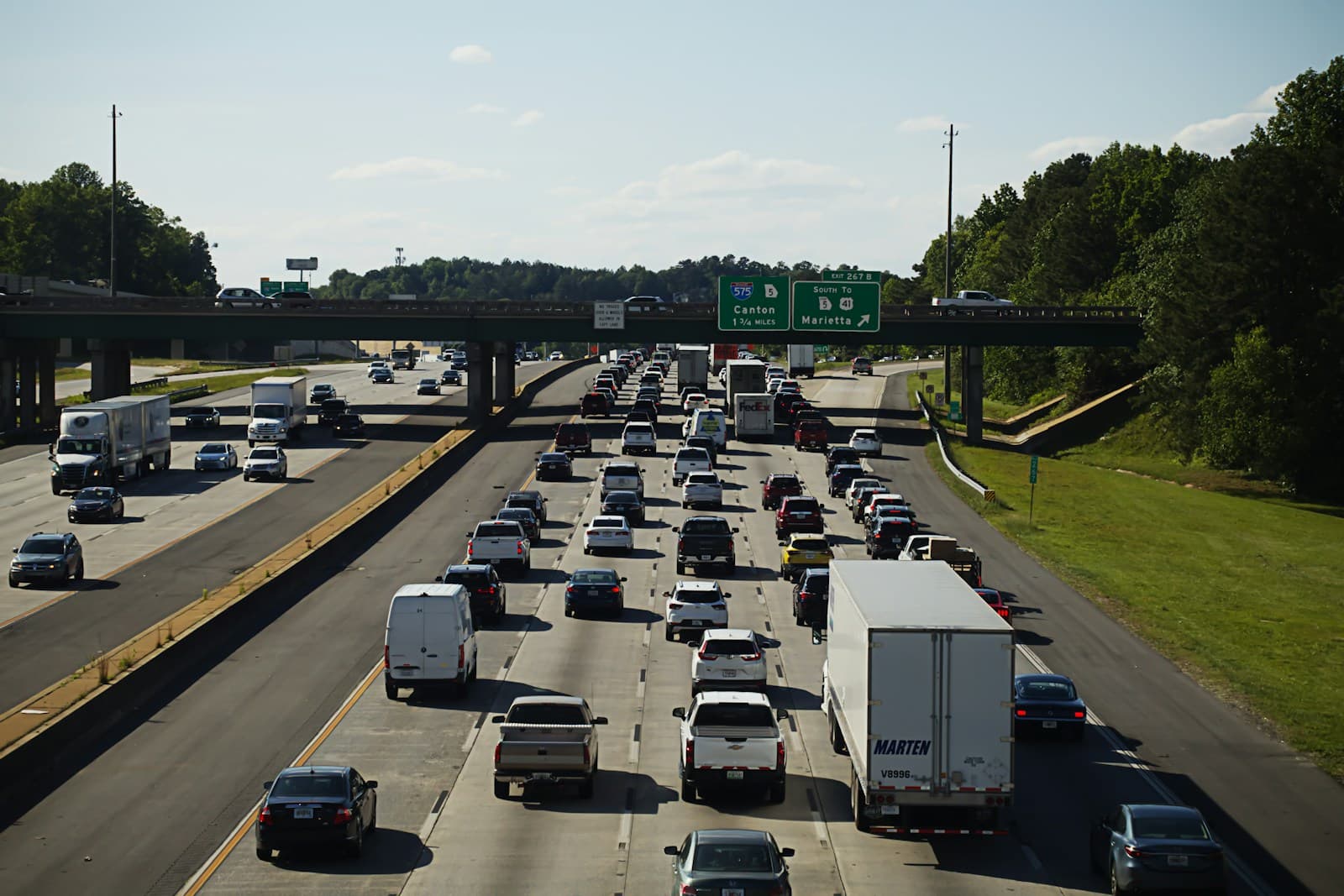
- I-93 Corridor Accident Frequency: I-93 passes directly through Concord and records elevated accident rates during commuter hours, particularly near exits 12–16 where southbound traffic merges toward Manchester. Drivers with existing at-fault accidents face steeper increases here because carriers view exposure on this corridor as compounding risk.
- Downtown Grid Congestion and Stop Sign Violations: Concord's compact downtown features a tight grid with frequent four-way stops on Main, Pleasant, and Warren streets, where citation rates for failure to yield and rolling stops are higher than suburban areas. A moving violation in this zone often triggers elevated premiums because it signals urban driving risk to underwriters.
- Winter Road Conditions and At-Fault Claims: Concord averages 64 inches of snow annually, and black ice forms frequently on Routes 9 and 106 during freeze-thaw cycles. Drivers with prior at-fault accidents during winter months face higher premiums because carriers assume seasonal risk is now a pattern rather than an isolated event.
- New Hampshire No-Mandatory-Insurance Law Impact: New Hampshire does not mandate auto insurance for all drivers, but drivers who have had a violation or accident and are seeking coverage to avoid further license action face a limited non-standard market. This concentrates high-risk applicants with fewer local carriers, reducing competition and raising rates compared to mandatory-insurance states.
- Merrimack County Court Processing and SR-22 Triggers: Merrimack County Superior Court handles license suspension hearings for repeat offenders, and reinstatement often requires SR-22 filing even if the original violation occurred out-of-state. Concord drivers with multi-state violations face longer SR-22 periods and higher premiums because carriers price for extended compliance risk.

Compare rates from carriers that work with drivers who have points
Standard carriers surcharge heavily after violations. These specialists price your specific record differently.
Get Your Free QuoteCoverage Recommendations
Cost estimates are based on available industry data and vary by driver profile. These are not insurance quotes.
Liability Insurance
New Hampshire does not require liability coverage unless you've had a violation, accident, or DUI—but if you're required to carry it, minimum limits are 25/50/25. High-risk drivers in Concord should consider 100/300/100 because a second at-fault claim with state minimums leaves significant personal exposure.
$120–$210/month for drivers with violationsEstimated range only. Not a quote.
SR-22 Insurance
SR-22 is required in New Hampshire primarily for out-of-state violations and license reinstatements after suspension, not for standard point violations. The filing itself costs $25–$50, but the underlying high-risk policy drives total premiums to $180–$320/month in Concord depending on the violation.
$180–$320/month total (filing + policy)Estimated range only. Not a quote.
Full Coverage
Full coverage (liability + collision + comprehensive) for high-risk drivers in Concord typically runs $220–$380/month. Drivers with financed vehicles and a recent violation should compare collision deductibles carefully—raising from $500 to $1,000 can reduce monthly premiums by $30–$50.
$220–$380/month after violationEstimated range only. Not a quote.
Uninsured Motorist Coverage
New Hampshire's no-mandatory-insurance law means a higher share of uninsured drivers on Concord roads. High-risk drivers are already paying elevated premiums, and adding UM/UIM coverage for $15–$30/month protects against uninsured at-fault parties without triggering another rate increase on your own record.
$15–$30/month added costEstimated range only. Not a quote.