What Affects Rates in Las Cruces
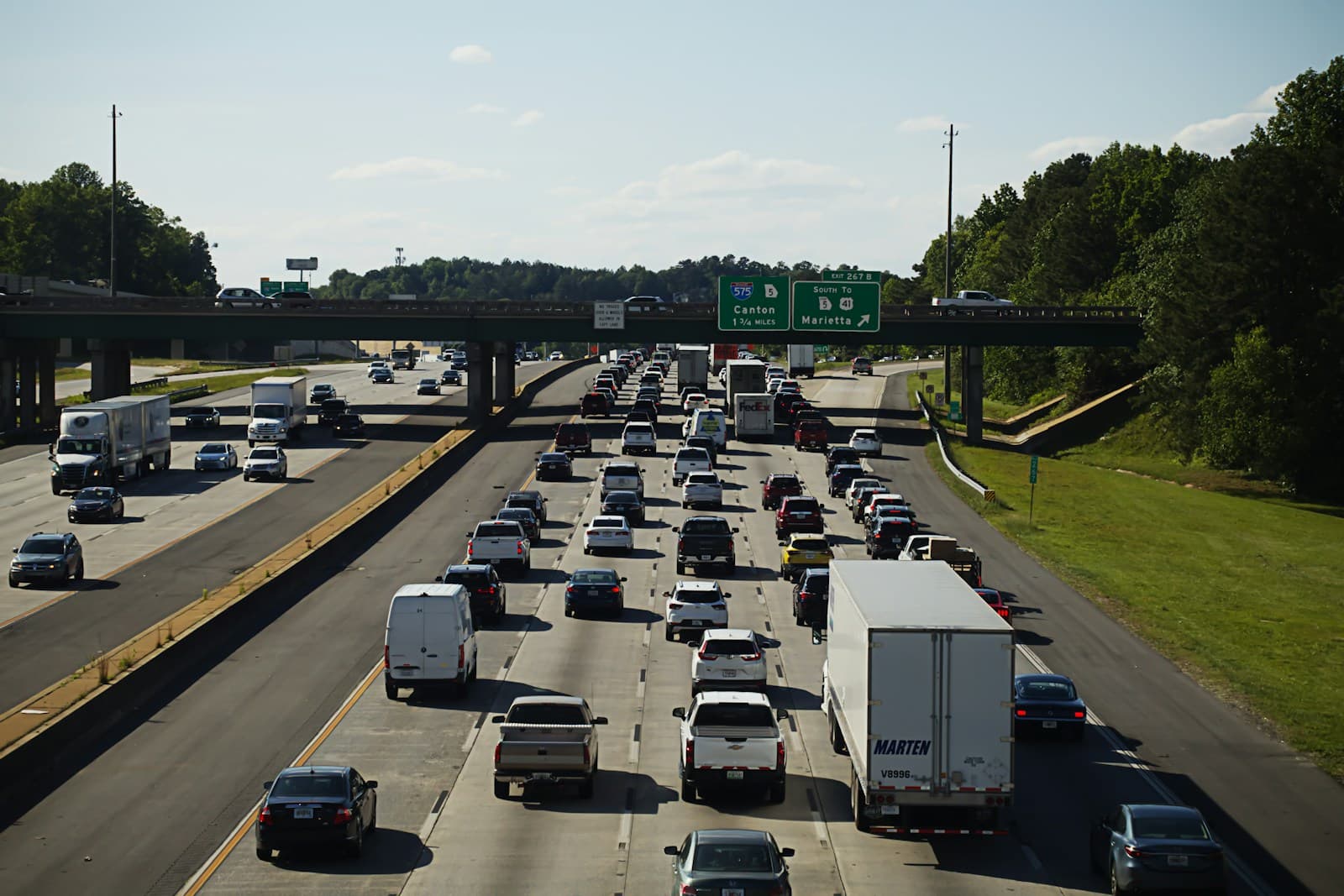
- I-10 Corridor Accident Frequency: Las Cruces sits on Interstate 10, a major east-west freight and commuter route with higher accident rates than rural New Mexico highways. Drivers with existing at-fault accidents or speeding violations face steeper rate increases here than in lower-traffic areas like Alamogordo or Silver City, as carriers price in elevated collision risk along urban interstate corridors.
- Uninsured Motorist Concentration: New Mexico's uninsured motorist rate is 20.8%, one of the highest nationally. In Las Cruces, proximity to the border and economic variability amplify this—carriers assume higher exposure when insuring drivers with violations, since any future accident is statistically more likely to involve an uninsured party, increasing payout risk.
- DWI Court Supervision Density: Las Cruces is home to New Mexico's Third Judicial District Court, which processes a high volume of DWI cases from Doña Ana County. Drivers ordered to file SR-22 after DWI convictions here face 3-year continuous coverage requirements, and any lapse triggers court notification and potential license re-suspension, making non-standard carriers the primary market.
- Point Accumulation from Speed Enforcement: New Mexico assigns 3–8 points per moving violation, with speeding 16+ mph over the limit triggering 5 points. Las Cruces police enforce speed limits heavily on University Avenue and Telshor Boulevard during peak hours. Drivers reaching 7 points in 12 months face automatic suspension, and even 4–6 points typically double liability premiums.
- Defensive Driving Point Reduction: New Mexico allows drivers to reduce points by 3 through a state-approved defensive driving course once every 12 months. For Las Cruces drivers sitting at 4–6 points after a speeding ticket or at-fault accident, completing this course before renewal can prevent rate hikes or lower existing surcharges by demonstrating risk mitigation to carriers.

Compare rates from carriers that work with drivers who have points
Standard carriers surcharge heavily after violations. These specialists price your specific record differently.
Get Your Free QuoteCoverage Recommendations
Cost estimates are based on available industry data and vary by driver profile. These are not insurance quotes.
Liability Insurance
New Mexico requires 25/50/10 minimums, but drivers with violations in Las Cruces pay $120–$240/month for state minimum liability. Carriers surcharge each point on your record—typically 20–40% per major violation—and the surcharge period runs 3–5 years from the violation date, not the conviction date.
$120–$240/mo with pointsEstimated range only. Not a quote.
SR-22 Insurance
SR-22 is not required for standard speeding tickets or at-fault accidents in New Mexico—only for DWI, reckless driving, driving while suspended, or court order after serious violations. The filing itself costs $25 and must stay active for 3 years. Any lapse triggers MVD notification and immediate license suspension.
$25 filing + elevated premiumsEstimated range only. Not a quote.
Uninsured Motorist Coverage
With 20.8% of New Mexico drivers uninsured, this coverage protects you when an at-fault driver has no insurance. For drivers with existing violations in Las Cruces, adding UM coverage costs $15–$40/month but prevents out-of-pocket loss if you're hit by an uninsured motorist—common along I-10 and in border-adjacent areas.
$15–$40/mo additionalEstimated range only. Not a quote.
Non-Standard Auto Insurance
Drivers with 5+ points, multiple violations, or SR-22 requirements often cannot get coverage from standard carriers and must use non-standard insurers who specialize in high-risk profiles. In Las Cruces, these carriers charge $180–$300/month for liability but offer immediate coverage and flexible payment plans unavailable from preferred insurers.
$180–$300/mo liabilityEstimated range only. Not a quote.