What Affects Rates in New York City
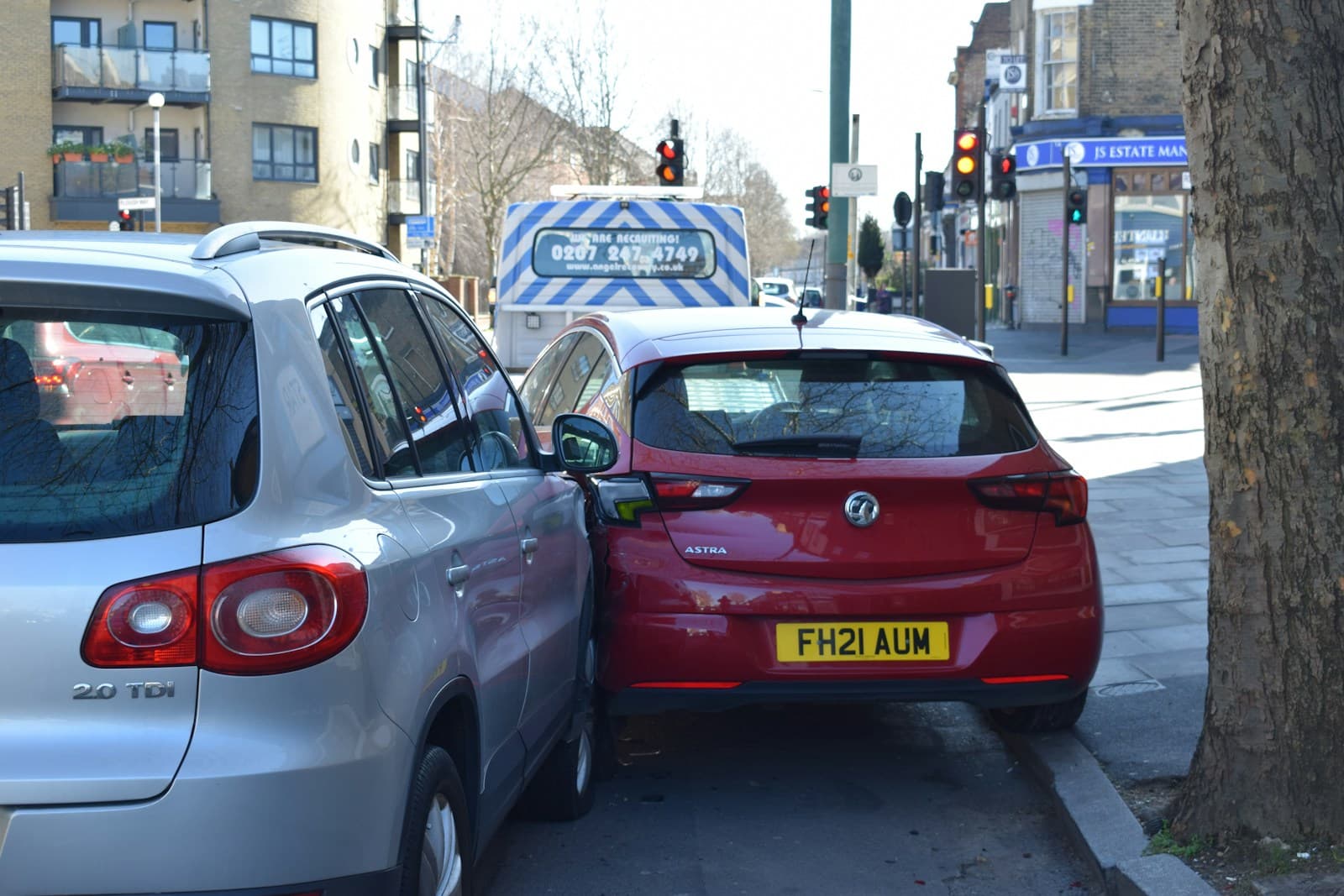
- Manhattan Traffic Density: New York City has the highest traffic density in the nation, with Manhattan recording over 800,000 daily commuter entries and congestion that increases minor accident frequency. Drivers with existing violations face steeper rate hikes here than in less congested boroughs because insurers factor collision risk into already-elevated base premiums.
- No-Fault Insurance Structure: New York's no-fault system requires all drivers to carry Personal Injury Protection (PIP), which covers medical costs regardless of fault. For drivers with points, this mandatory coverage adds baseline cost before liability adjustments, and carriers price violations more aggressively in no-fault states due to higher claim payouts.
- Uninsured Driver Concentration: Approximately 6–8% of New York drivers operate without insurance, with higher concentrations in outer boroughs. Drivers with violations should prioritize uninsured motorist coverage, as a second at-fault incident with an uninsured party compounds rate increases and point accumulation.
- Driver Responsibility Assessment: New York imposes a Driver Responsibility Assessment of $300 for accumulating 6 or more points within 18 months, plus $75 for each additional point. This state-level fine is separate from insurance premiums but signals to carriers that a driver has crossed into high-risk territory, often triggering mid-term policy reviews and surcharges.
- Winter Weather and Point Vulnerability: New York City experiences ice, snow, and freezing rain from December through March, contributing to elevated accident rates during winter months. Drivers with existing points are particularly vulnerable: a winter at-fault accident can push total points near the 11-point suspension threshold and result in non-renewal from standard carriers.

Compare rates from carriers that work with drivers who have points
Standard carriers surcharge heavily after violations. These specialists price your specific record differently.
Get Your Free QuoteCoverage Recommendations
Cost estimates are based on available industry data and vary by driver profile. These are not insurance quotes.
Liability Insurance
New York requires minimum liability of $25,000/$50,000 for bodily injury and $10,000 for property damage. Drivers with violations should carry higher limits—$100,000/$300,000 is standard—because a second at-fault accident with minimum coverage exposes personal assets and triggers further point accumulation.
$1,800–$3,400/year with violationsEstimated range only. Not a quote.
Full Coverage
Full coverage combines liability, collision, comprehensive, and PIP, essential for financed vehicles and high-value cars in NYC where theft and vandalism rates are elevated. Drivers with points pay $3,200–$5,800/year; comprehensive claims do not add points, making this a protective choice in dense urban environments.
$3,200–$5,800/year with violationsEstimated range only. Not a quote.
Non-Standard Auto Insurance
Non-standard carriers like Dairyland, The General, and Progressive's non-standard division specialize in drivers with 6+ points or suspension history. In New York City, these carriers may be the only option after a DWI or multiple moving violations, with rates 40–90% higher than standard market but with acceptance of high-risk profiles.
$4,500–$7,200/year typical rangeEstimated range only. Not a quote.
Uninsured Motorist Coverage
Uninsured motorist coverage protects against drivers without insurance, critical in NYC where 6–8% of motorists are uninsured. For drivers already carrying points, an accident with an uninsured driver can add 3–4 points if deemed partially at-fault, and UM coverage prevents out-of-pocket medical and repair costs that compound financial strain.
$180–$420/year additionalEstimated range only. Not a quote.