What Affects Rates in Utica
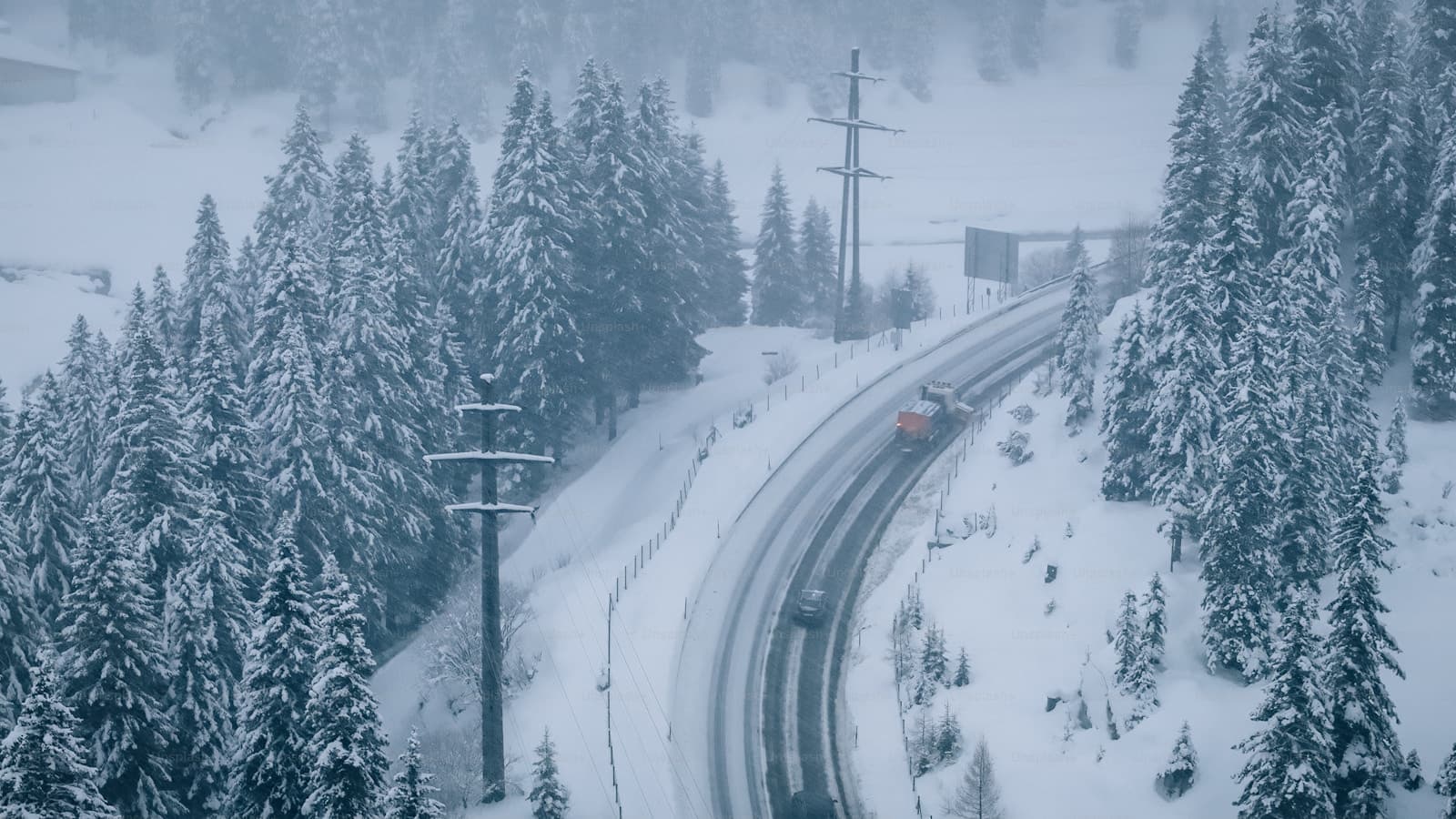
- Snow Belt Collision Frequency: Utica sits in New York's snow belt, averaging over 100 inches annually. Winter months see elevated collision rates on routes like NY-8 and NY-12, which insurers factor into comprehensive and collision pricing for drivers already flagged as high-risk. A prior at-fault accident combined with winter driving exposure can push premiums toward the upper end of the $180–$320 range.
- Urban Core Density and Route 5 Corridor: Genesee Street (Route 5) through downtown Utica experiences consistent traffic density and pedestrian activity, increasing accident exposure. High-risk drivers living or commuting through the 13501 and 13502 ZIP codes typically see steeper liability premiums than those in lower-density areas like New Hartford or Whitesboro.
- Oneida County Court DWI Processing: DWI convictions processed through Oneida County Court trigger New York's mandatory SR-22 filing and minimum 1-year license revocation. Reinstatement requires both SR-22 proof and a $100 re-application fee, with high-risk premiums persisting 5+ years post-conviction. Carriers like Progressive and The General actively write post-DUI policies in Utica, but expect annual premiums of $4,000–$7,000 immediately following reinstatement.
- Regional Uninsured Motorist Rates: Upstate New York maintains an uninsured driver rate around 6%, slightly below the state average but still significant enough that uninsured motorist coverage becomes critical for high-risk drivers who cannot afford at-fault accident exposure. A second violation often renders coverage unaffordable or unavailable outside the assigned risk pool.
- I-90 Corridor Speeding Enforcement: New York State Police maintain active enforcement on the I-90 corridor through Oneida County. Speeding violations 21+ mph over the limit carry 6 points in New York, and two such violations within 18 months can trigger suspension. High-risk drivers already carrying points face compounding rate increases with each additional ticket, as New York insurers reassess risk at every renewal.
Compare rates from carriers that work with drivers who have points
Standard carriers surcharge heavily after violations. These specialists price your specific record differently.
Get Your Free QuoteCoverage Recommendations
Cost estimates are based on available industry data and vary by driver profile. These are not insurance quotes.
SR-22 Insurance
New York requires SR-22 for DUI convictions, driving without insurance, and repeat serious violations. The filing itself costs $15–$25/year, but the conviction behind it raises premiums by 80–150% for 3–5 years. You must maintain continuous coverage—any lapse restarts the 3-year SR-22 clock.
$15–$25 filing fee; premiums $180–$320/monthEstimated range only. Not a quote.
Liability Insurance
New York mandates 25/50/10 minimum liability, but high-risk drivers should consider 100/300/100 limits. A second at-fault accident with minimum coverage often results in non-renewal, forcing you into the assigned risk pool where premiums can double again. Higher limits improve carrier retention.
State minimum inadequate for repeat violationsEstimated range only. Not a quote.
Uninsured Motorist Coverage
With roughly 6% of regional drivers uninsured and high-risk drivers unable to absorb another at-fault claim, UM coverage protects against financial exposure from uninsured hits. New York requires insurers to offer UM equal to liability limits; declining it in writing is possible but inadvisable for drivers with prior violations.
Adds 5–10% to premium; critical protectionEstimated range only. Not a quote.
Full Coverage
Comprehensive and collision coverage on financed vehicles in Utica must account for winter weather damage and elevated theft rates in urban core areas. High-risk drivers often face $1,000–$2,500 deductibles to keep premiums manageable; raising deductibles to $2,500 can reduce monthly costs by 15–20%.
Deductible strategy critical for affordabilityEstimated range only. Not a quote.