What Affects Rates in Raleigh
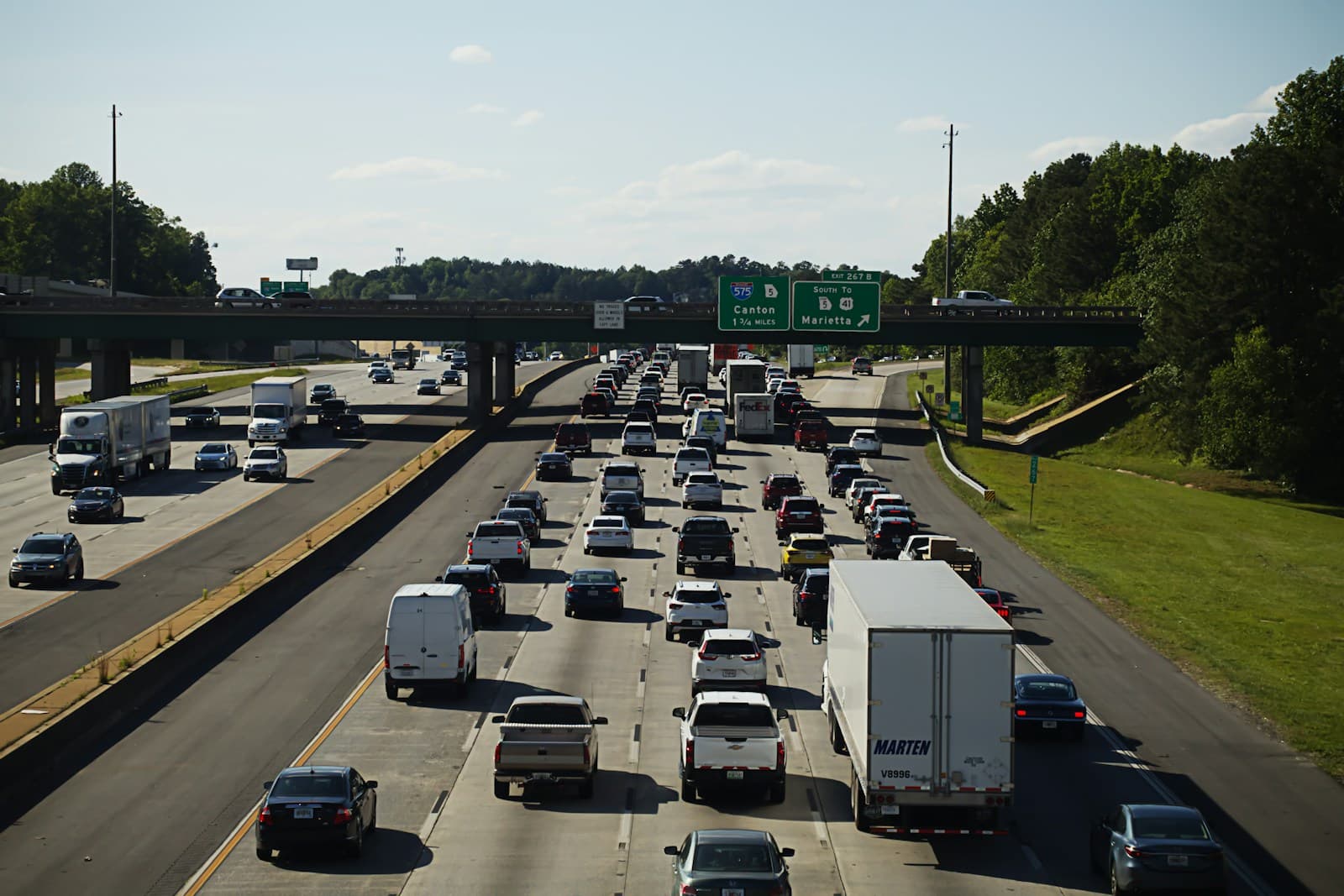
- Capital Beltline (I-440) Accident Density: The I-440 loop surrounding Raleigh sees elevated accident frequency during commute hours, particularly at merge points near US-1 and I-40 interchanges. Drivers with prior at-fault accidents living in zip codes along this corridor often see 15–25% higher premiums than those in outer suburbs like Apex or Fuquay-Varina.
- Wake County Court Processing for Traffic Violations: Wake County processes over 100,000 traffic citations annually, with prayer for judgment continued (PJC) options available once every three years for eligible violations. A PJC prevents insurance points but not DMV points, making it a critical tool for rate mitigation—carriers typically won't raise rates if the violation is PJC'd, but you'll still accumulate DMV points toward the 12-point suspension threshold.
- Uninsured Driver Rate in Durham-Raleigh Metro: The Triangle metro area has an estimated uninsured driver rate near 7–9%, slightly below the state average but concentrated in specific corridors along Capital Boulevard and New Bern Avenue. Drivers with violations should prioritize uninsured motorist coverage, as a second at-fault accident with an uninsured driver can push premiums into non-standard territory.
- Research Triangle Commute Volume: Raleigh's role as a commuter hub for Research Triangle Park means daily traffic volume on US-70, I-40, and NC-147 remains high even outside traditional rush hours. Drivers with speeding violations in 45 mph construction zones along these routes face steeper insurance increases, as construction zone citations carry higher point values and longer lookback periods.
- Urban Growth and New Driver Density: Raleigh's rapid population growth—over 15% in the past decade—has brought increased new-driver density and higher minor collision rates in areas like North Hills and downtown. Carriers view zip codes with high accident frequency more critically when underwriting drivers who already have points, often adding 10–15% to quoted premiums compared to established suburban neighborhoods.

Compare rates from carriers that work with drivers who have points
Standard carriers surcharge heavily after violations. These specialists price your specific record differently.
Get Your Free QuoteCoverage Recommendations
Cost estimates are based on available industry data and vary by driver profile. These are not insurance quotes.
Liability Insurance
North Carolina mandates 30/60/25 minimums, but drivers with violations should consider 100/300/50 or higher. If you're required to carry SR-22, your carrier will file proof of this liability coverage with the NC DMV electronically—any lapse triggers immediate license suspension.
$150–$280/month with violationsEstimated range only. Not a quote.
SR-22 Insurance
Required in North Carolina for DUI convictions, license suspensions for point accumulation, and driving without insurance citations. The SR-22 itself is a filing, not a policy—your insurer submits it to the state for a $50 fee, and you must maintain continuous coverage for 3 years or restart the clock.
$50 filing + underlying premiumEstimated range only. Not a quote.
Uninsured Motorist Coverage
North Carolina is a contributory negligence state, meaning if you're even 1% at fault in an accident, you cannot recover damages from the other driver. For drivers with existing violations, uninsured motorist coverage provides critical protection if hit by an uninsured driver, as a second at-fault claim could force you into non-standard markets.
$15–$40/month additionalEstimated range only. Not a quote.
Non-Standard Auto Insurance
Drivers with multiple violations, a DUI, or 8+ points may be declined by standard carriers and need non-standard policies. Raleigh has access to non-standard carriers specializing in high-point drivers—expect premiums 40–80% higher than standard rates, but these markets allow you to maintain legal coverage and begin rebuilding your record.
$250–$450/month typical rangeEstimated range only. Not a quote.