What Affects Rates in Grand Forks
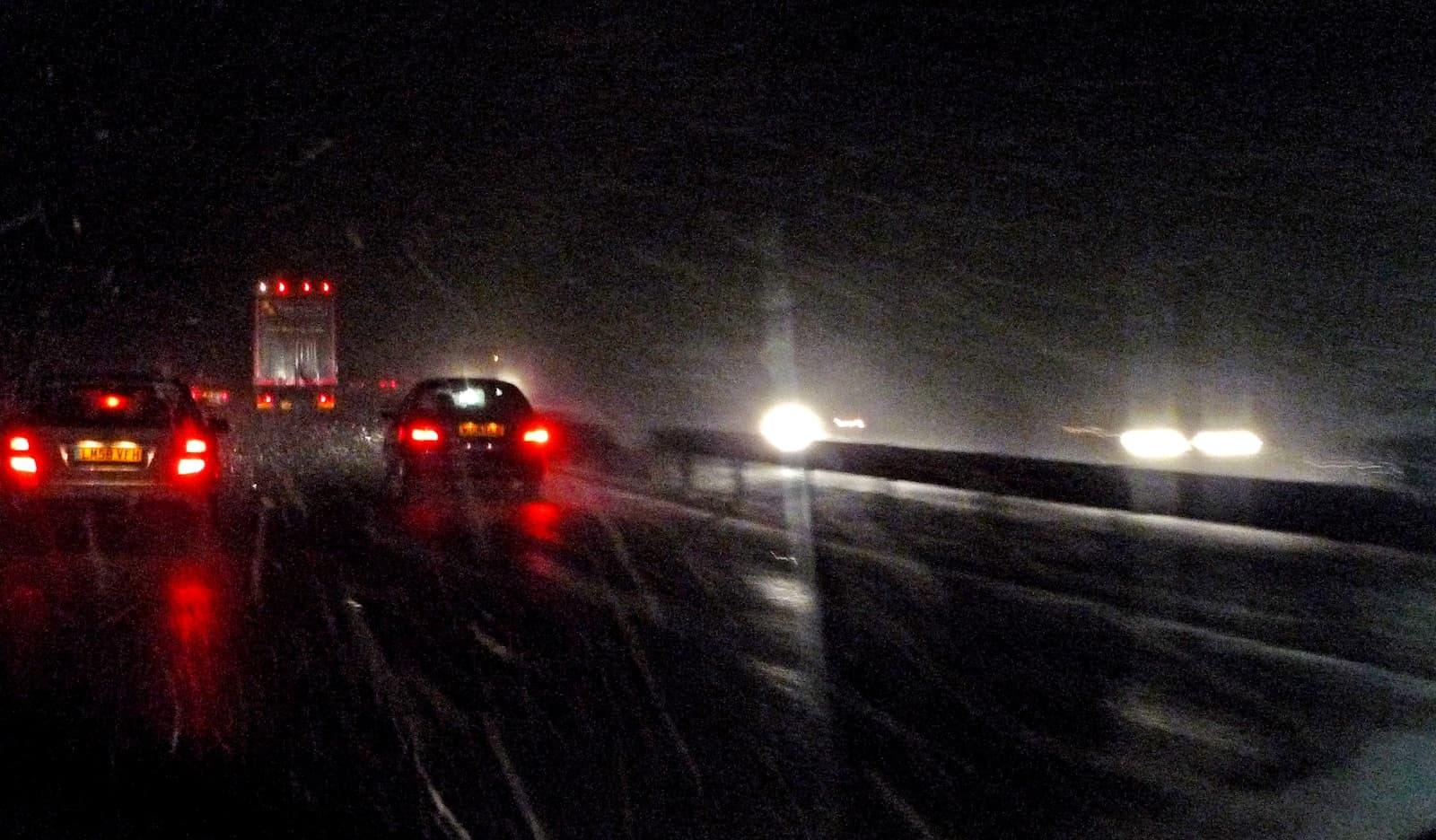
- Winter Weather Accident Frequency: Grand Forks averages 51 inches of snow annually and temperatures below freezing from November through March, creating extended periods of ice and reduced visibility. Drivers with prior at-fault accidents—especially winter weather claims—face steeper rate increases because carriers view them as higher risk during the 6+ month winter season.
- Rural Highway Speeding Citations: US-2 and I-29 corridors see consistent speeding enforcement, and North Dakota assesses points aggressively: 6 points for speeding 21+ mph over, 4 points for 11–20 over. Drivers accumulating 12 points in 12 months face suspension, and insurers in Grand Forks adjust premiums based on point totals—not just ticket counts.
- Uninsured Motorist Exposure: North Dakota's uninsured motorist rate sits at 9.4%, above the national average of 7%. Drivers with violations already paying elevated premiums should carry uninsured/underinsured coverage at 50/100 limits minimum, as a second not-at-fault accident with an uninsured driver can push rates into non-standard territory.
- Limited Carrier Competition: Grand Forks has fewer non-standard and regional carriers compared to Fargo, meaning drivers with DUIs or multiple violations often face limited options and higher premiums. Shopping national non-standard carriers like Bristol West, Dairyland, and Progressive's non-standard division is critical for finding competitive rates.
- DUI Lookback and SR-22 Enforcement: North Dakota courts mandate SR-22 for DUI convictions, reckless driving, and driving under suspension. The SR-22 must remain on file for 3 years without lapse—any coverage gap restarts the clock. Grand Forks drivers in SR-22 status should prioritize carriers experienced in continuous SR-22 filing to avoid reinstatement complications.
Compare rates from carriers that work with drivers who have points
Standard carriers surcharge heavily after violations. These specialists price your specific record differently.
Get Your Free QuoteCoverage Recommendations
Cost estimates are based on available industry data and vary by driver profile. These are not insurance quotes.
SR-22 Insurance
North Dakota requires SR-22 for DUI, reckless driving, and suspension violations. The SR-22 itself costs $25–$50 to file, but underlying liability premiums for drivers needing SR-22 in Grand Forks range from $150–$280/month. Any lapse restarts the 3-year requirement.
$150–$280/month liability + $25–$50 filing feeEstimated range only. Not a quote.
Liability Insurance
North Dakota minimums are 25/50/25, but drivers with points or prior at-fault accidents should carry 100/300/100 to reduce out-of-pocket exposure in winter weather accidents common in Grand Forks. Minimum coverage for high-risk drivers runs $90–$160/month; higher limits add $30–$60/month.
$90–$160/month (minimums)Estimated range only. Not a quote.
Full Coverage
Full coverage (liability + collision + comprehensive) for Grand Forks drivers with violations typically costs $180–$320/month. Comprehensive is particularly relevant given deer strikes on rural roads and hail damage from summer storms—both of which don't add points but do trigger claims that affect renewal pricing.
$180–$320/monthEstimated range only. Not a quote.
Uninsured Motorist Coverage
With 9.4% of North Dakota drivers uninsured, this coverage protects drivers who already have points from absorbing costs if hit by an uninsured driver. Recommended limits are 50/100 or matching your liability limits. Adds roughly $15–$35/month to policies in Grand Forks.
$15–$35/month additionalEstimated range only. Not a quote.