What Affects Rates in Cincinnati
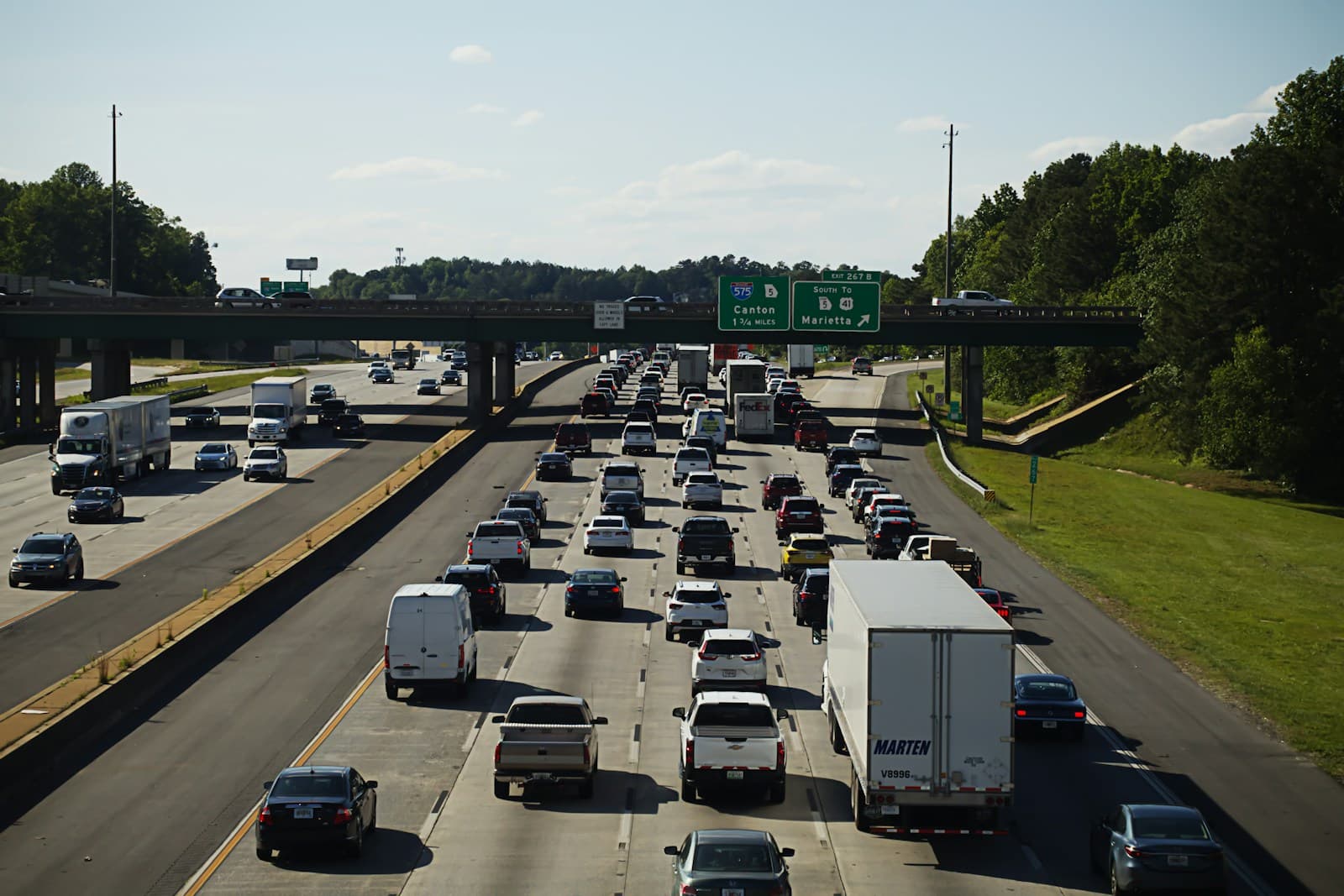
- I-71 and I-75 Corridor Congestion: The I-71/I-75 interchange through downtown Cincinnati creates high-density commuter traffic where speeding citations and following-too-closely violations are common. Drivers with existing points face steeper rate increases when violations occur in high-accident zones like the Brent Spence Bridge corridor.
- Hamilton County Court System: Hamilton County Municipal Court processes the majority of traffic violations in Cincinnati. Point assignments are state-mandated, but court costs and conviction timing affect when points appear on your BMV record and when insurers pull that updated record during renewal.
- Urban Uninsured Driver Rate: Cincinnati's urban core sees higher uninsured motorist rates than surrounding suburban counties. Drivers with points should prioritize uninsured/underinsured motorist coverage, as a second at-fault accident or hit-and-run claim can push premiums into non-standard territory.
- Weather-Related Accident Frequency: Winter weather along the Ohio River valley contributes to elevated at-fault accident rates during December through February. Drivers with existing points see compounding rate increases after weather-related collisions, as insurers view multiple claims as pattern behavior regardless of conditions.
- Non-Standard Carrier Availability: Cincinnati has strong access to non-standard and high-risk carriers including regional specialists. Drivers with 6+ points or recent DUI should expect standard carriers to non-renew, making local non-standard options the primary market rather than a fallback.

Compare rates from carriers that work with drivers who have points
Standard carriers surcharge heavily after violations. These specialists price your specific record differently.
Get Your Free QuoteCoverage Recommendations
Cost estimates are based on available industry data and vary by driver profile. These are not insurance quotes.
Liability Insurance
Ohio requires 25/50/25 minimums, but drivers with points should carry 100/300/100 to protect assets if a second at-fault accident occurs. Liability premiums increase 20–40% after a single at-fault claim and compound with additional violations.
$90–$180/mo for drivers with violationsEstimated range only. Not a quote.
Full Coverage
Full coverage (liability + collision + comprehensive) for Cincinnati drivers with points typically runs $140–$285/month. Collision coverage sees the steepest increases after at-fault accidents, while comprehensive remains relatively stable unless you have multiple comprehensive claims.
$140–$285/mo with violation historyEstimated range only. Not a quote.
SR-22 Insurance
SR-22 is required in Ohio after DUI/OVI, driving under suspension, or serious violations. The $50 filing fee is minor; the underlying conviction increases premiums 60–150%. You must maintain continuous coverage for 3 years — any lapse restarts the clock and triggers immediate license suspension.
$50 filing + 60–150% premium increaseEstimated range only. Not a quote.
Uninsured Motorist Coverage
Ohio does not mandate UM/UIM, but Cincinnati's urban uninsured rate makes this critical for drivers who cannot afford a second claim. If an uninsured driver hits you and you're already carrying points, the at-fault determination and claim can still affect your rates even though you're not liable.
$15–$35/mo additional, minimal point surchargeEstimated range only. Not a quote.