
What Affects Rates in Portland
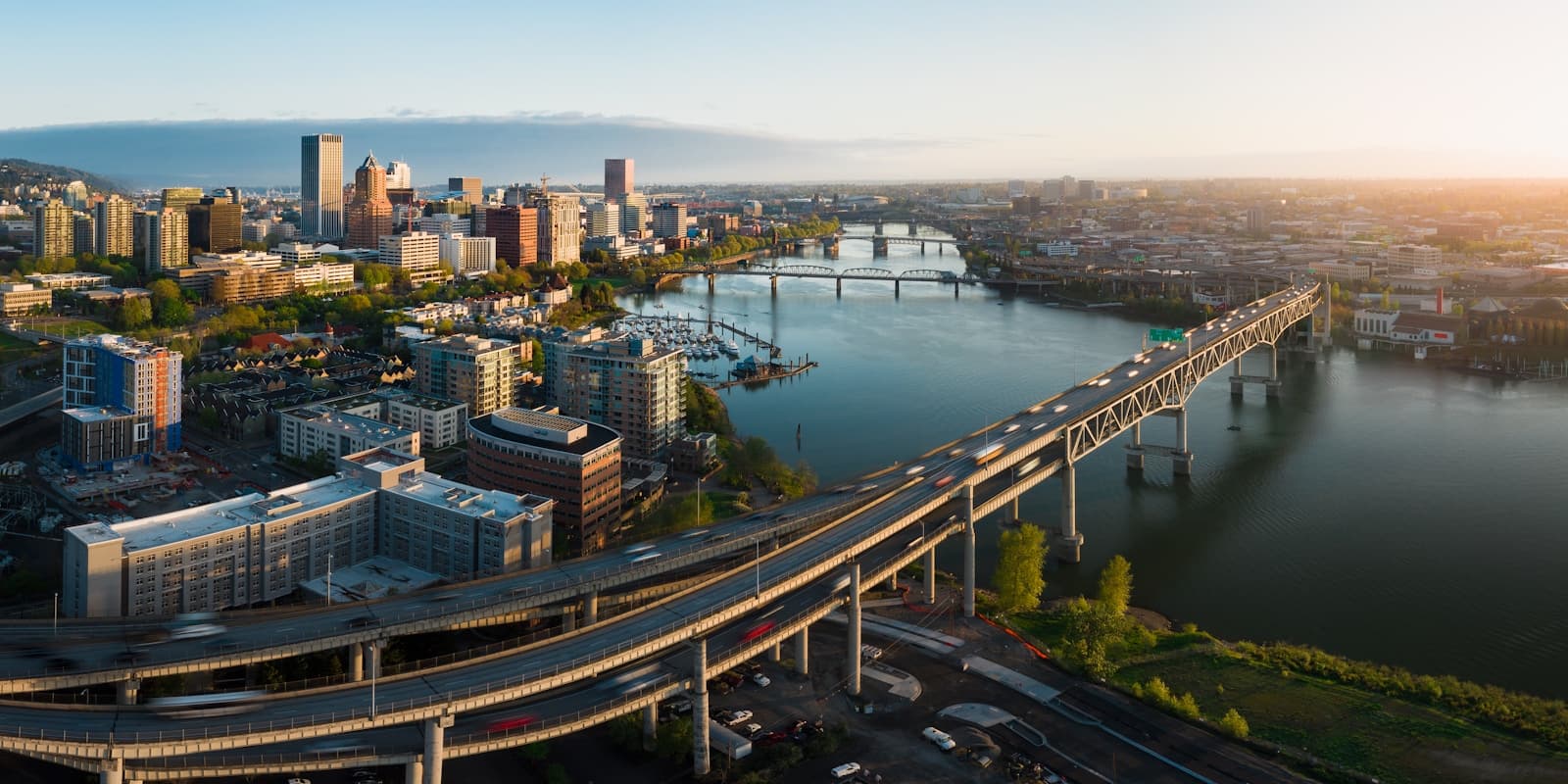
- Urban Core Accident Density: Portland's central grid — particularly corridors like Powell Boulevard, 82nd Avenue, and the I-5/I-84 interchange — sees elevated collision frequency due to stop-and-go traffic, frequent pedestrian crossings, and mixed arterial speeds. High-risk drivers in these zones face steeper premiums because insurers correlate location density with re-offense probability.
- Oregon Point System Threshold: Oregon suspends licenses at 20+ points within a 24-month period, with most moving violations carrying 2–4 points. Drivers with 12–18 points already on record pay elevated premiums even without suspension, and insurers in Portland treat proximity to the 20-point threshold as a distinct rating factor.
- High Uninsured Motorist Exposure: Oregon's 13.4% uninsured driver rate means Portland drivers with violations face higher uninsured motorist coverage costs, especially after an at-fault accident. Carriers price this coverage more aggressively for high-risk drivers because a second uninsured claim triggers further rate surcharges.
- Multnomah County Court Processing: Multnomah County handles Portland DUI and reckless driving cases, and conviction timelines directly affect SR-22 filing start dates. Delays in court processing can extend the period before SR-22 coverage begins, during which drivers may face unlicensed operator penalties or lapsed coverage gaps.
- Winter Weather Driving Conditions: Portland's periodic ice and snow events — especially in the West Hills and outer east neighborhoods with minimal salting infrastructure — increase winter accident frequency. Drivers with existing violations who add a weather-related at-fault claim see compounded surcharges, as insurers view repeated incidents as pattern risk.
Compare rates from carriers that work with drivers who have points
Standard carriers surcharge heavily after violations. These specialists price your specific record differently.
Get Your Free QuoteCoverage Recommendations
Cost estimates are based on available industry data and vary by driver profile. These are not insurance quotes.
SR-22 Insurance
Required in Oregon after DUI conviction, reckless driving, driving while suspended, or multiple at-fault accidents within 36 months. The SR-22 itself is a certificate your insurer files with Oregon DMV proving you carry at least 25/50/20 liability limits; the filing costs $25, but the elevated premium from the underlying violation typically adds $90–$195/month for three years.
$25 filing + $90–$195/mo premium increaseEstimated range only. Not a quote.
Liability Insurance
Oregon minimums are 25/50/20 ($25k per person injury, $50k per accident injury, $20k property damage). High-risk drivers in Portland often see 120–180% surcharges on liability after a DUI or major violation, and non-standard carriers may require higher limits (50/100/25) as a condition of coverage.
$110–$220/mo for high-risk driversEstimated range only. Not a quote.
Uninsured Motorist Coverage
Oregon law requires insurers to offer UM/UIM coverage equal to your liability limits, and you must reject it in writing. With 13.4% of Oregon drivers uninsured, high-risk drivers in Portland face higher UM premiums because a second claim — especially after an at-fault incident — triggers compounded surcharges and potential non-renewal.
$30–$65/mo additional for high-risk driversEstimated range only. Not a quote.
Full Coverage
Liability plus collision and comprehensive. Portland drivers with violations who finance vehicles must carry full coverage, but non-standard carriers often apply $1,000–$2,500 deductibles to offset their risk exposure. Expect monthly premiums of $240–$400+ depending on vehicle value and violation severity.
$240–$400+/mo for high-risk driversEstimated range only. Not a quote.